




A Shift in Consumer Appetite
Today's urban Indian consumer is more curious and conscious than ever before. There is a growing demand for products that offer more than just mass-market appeal. Shoppers are actively seeking authenticity, niche flavours, and healthier options. This
has created a gap that smaller, more agile brands are perfectly positioned to fill. They often cater to specific dietary needs or lifestyle choices, such as organic, gluten-free, or preservative-free products. Unlike large corporations that target broad demographics, these challenger brands can build a loyal following by connecting with specific communities and their distinct values.
The Digital Supermarket Shelf
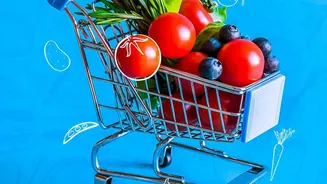
The rise of e-commerce and quick commerce has fundamentally levelled the playing field. Previously, gaining shelf space in physical stores was a major hurdle for new entrants. Now, the digital shelf is arguably more important. Platforms like Blinkit, Zepto, and Swiggy Instamart have become powerful discovery engines, allowing consumers to find and try new products with unprecedented ease. These platforms give smaller brands direct access to a massive urban customer base without the prohibitive costs of traditional distribution, enabling them to compete on visibility with legacy giants. Social media further amplifies this, as brands can engage directly with customers, tell their story, and build a community.
The Direct-to-Consumer Advantage
The Direct-to-Consumer (D2C) model is a game-changer. By eliminating intermediaries, small brands can offer competitive pricing—sometimes 15 to 30 percent lower than traditional retail—while maintaining quality. More importantly, it allows them to own the entire customer relationship. This direct line of communication provides invaluable data on consumer preferences, enabling brands to iterate on products quickly and offer personalised experiences. This deep connection fosters trust and loyalty, turning customers into advocates for the brand. The Indian D2C market is projected to be worth over $100 billion by 2025, with the food and grocery sector being a significant contributor.
Telling a Compelling Story
In a crowded market, a good story is a powerful differentiator. Many successful smaller brands are founder-led, and their personal passion resonates with consumers. They often build their brand around a clear mission, whether it's reviving traditional recipes, promoting sustainable sourcing, or focusing on clean ingredients. This narrative approach creates an emotional connection that mass-produced products often lack. For instance, a brand that is transparent about its ingredient sourcing and production process can build significant trust with health-conscious consumers.
Investor Confidence and Market Validation
The success of early challenger brands has not gone unnoticed. Investors are increasingly willing to back new-age consumer brands, providing the capital needed for innovation and expansion. Between 2023 and 2025, Indian food tech companies attracted over $2 billion in venture capital. This influx of funding allows startups to invest in product development, marketing, and scaling their operations. Furthermore, as legacy FMCG companies see the market share of these nimble competitors grow, many have opted to acquire them, further validating the success of their business models and bringing them into the mainstream.