


A Taste of Club Life
Parsi clubs are more than just social venues; they are living museums of a culture that blends Persian heritage with Indian soul. Established by the Parsi community, who migrated from Persia to India centuries ago, these institutions became centres for
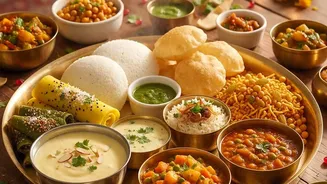
preserving their unique identity. The food served in these clubs is legendary, often prepared from recipes passed down through generations of cooks. These dishes are a taste of history, offering a culinary narrative of a community that has profoundly shaped India's cultural landscape. The menu is a carefully guarded treasure, featuring dishes that are a testament to the Parsi love for good food and good company.
The Parsi Palate Explained
To understand this recipe, one must first understand the Parsi palate. The cuisine is a delightful fusion of Persian and Gujarati influences, famously defined by its 'khattu-mithu' or sweet-and-sour flavour profile. Ingredients like vinegar, jaggery, tamarind, and dried fruits are used to create a complex balance of tastes. While famous for its meat and egg dishes, such as Dhansak and Patra ni Machhi, the cuisine also has a space for vegetables, though often cooked with a creative flair to make them more exciting. This unique approach to flavour is the secret behind transforming a simple ingredient into something extraordinary.
Kathal: The Unlikely Hero
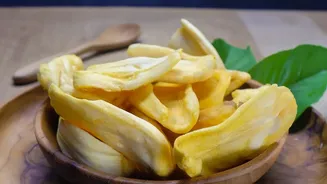
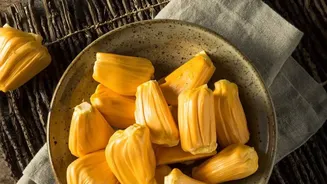
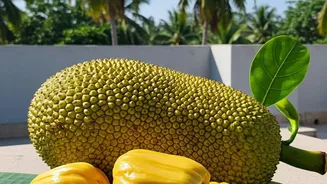
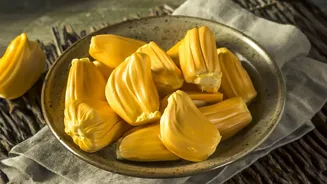
Jackfruit, or kathal, is not the first ingredient that comes to mind when thinking of Parsi food, which makes its starring role in a heritage recipe so intriguing. Known for its fibrous, meat-like texture when unripe, kathal has long been a staple in many other Indian regional cuisines. Its ability to absorb spices and mimic the texture of pulled meat makes it a versatile ingredient. In this Parsi preparation, the humble kathal is elevated from a simple vegetable to the centrepiece of the dish, showcasing the innovative spirit of Parsi cooks who could find potential in the most unexpected places.
The Heritage Kathal Recipe
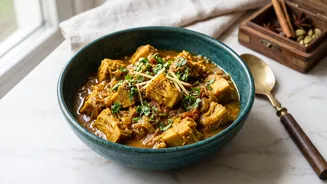
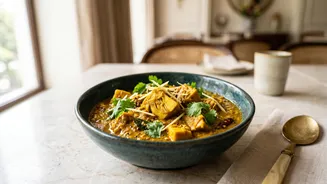
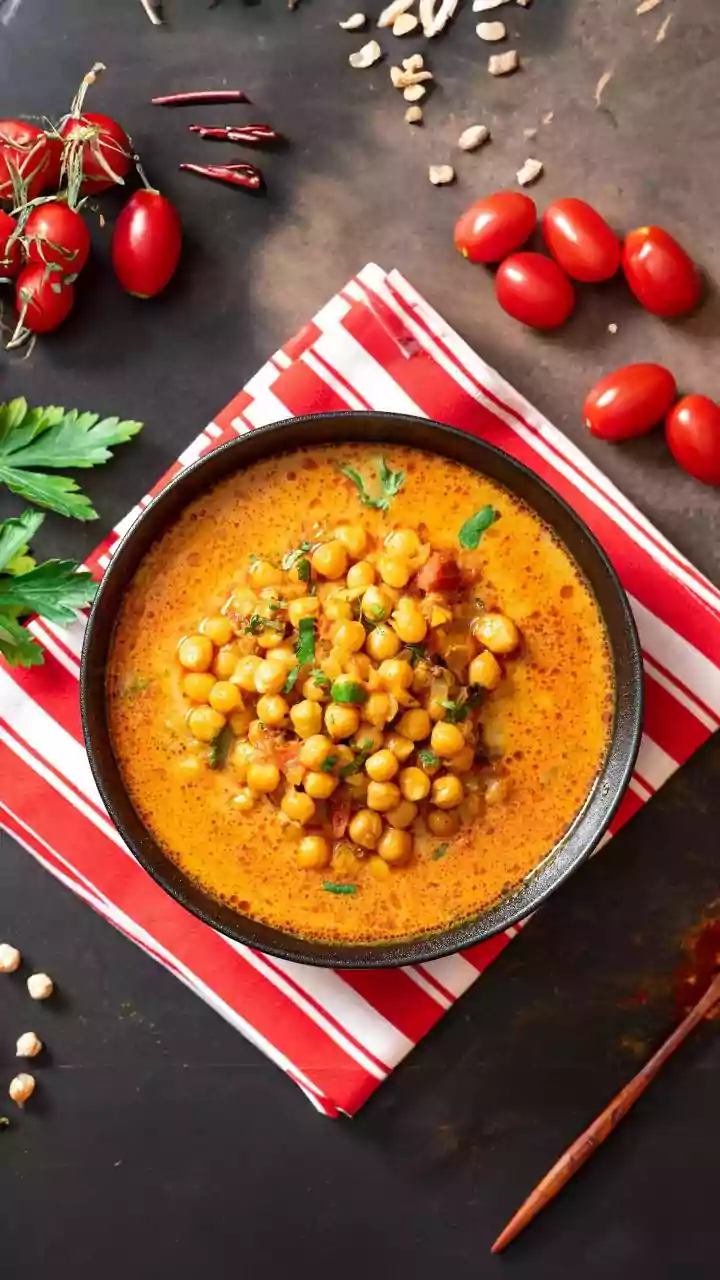
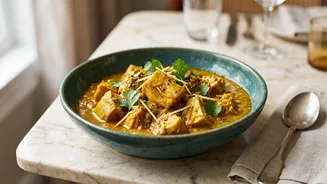
This recipe channels the spirit of a bygone era. It begins with preparing about 500 grams of raw jackfruit, cut into bite-sized pieces. The key is to first fry the kathal pieces in oil until they are golden brown, which gives them a firm, satisfying texture. In a separate pan, the magic starts. Sauté a finely chopped large onion until it caramelises, then add ginger-garlic paste. To this, add a puree of two tomatoes and the signature Parsi spices: a teaspoon each of coriander powder and cumin powder, half a teaspoon of turmeric, and red chilli powder to taste. A crucial element is the 'khattu-mithu' base. Add a tablespoon of jaggery or sugar and a splash of vinegar. Once this masala is fragrant, add the fried kathal pieces, coating them well. Add a cup of water, cover, and let it simmer until the jackfruit is tender and has absorbed all the rich flavours of the gravy.
Serving and Savouring
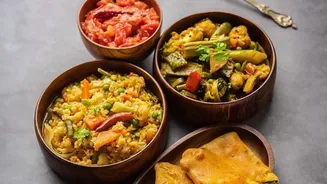
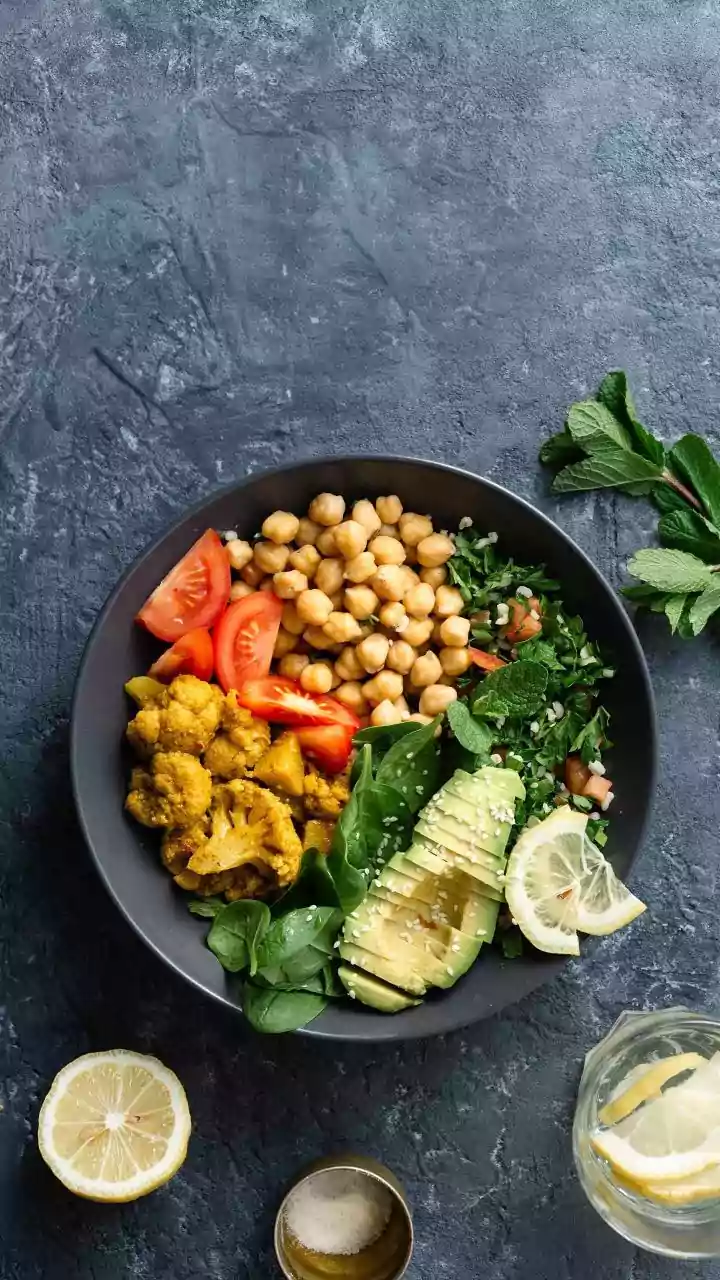
To truly enjoy this dish the Parsi way, presentation matters. The finished kathal curry should be thick, with the masala clinging to each piece of jackfruit. It is best served hot, garnished with fresh coriander. This dish pairs wonderfully with soft rotis or even slices of bread, a common accompaniment in Parsi households. For a complete meal experience, serve it alongside a simple 'kachumber' salad—a mix of chopped onions, tomatoes, and cucumber with a squeeze of lemon. It provides a fresh, crunchy contrast to the rich, flavourful curry, creating a balanced and deeply satisfying meal that tastes like a piece of history.