






The Resume is Dead; Long Live the Portfolio
For decades, the CV was the primary tool for job seekers. It was a neat, one-page summary of your education and experience. But in a digital-first world, it’s a static document that fails to capture the dynamism of your skills. Recruiters today spend
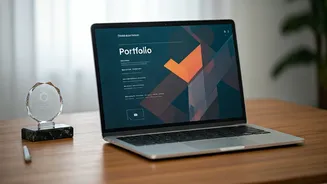
mere seconds scanning a resume. They are looking for proof of your abilities, not just a list of them. This is where a digital portfolio changes the game. It’s a living document that allows you to ‘show, not tell’. Instead of saying you’re proficient in Python, you can link to a project you built. Instead of claiming you have great design skills, you can display your work. This shift is a direct response to a more competitive and skills-focused hiring environment where employers want to see tangible evidence of what you can bring to their team from day one.
Not Just for Creatives Anymore
A common misconception is that portfolios are only for writers, designers, and artists. This is dangerously outdated thinking. The value of a portfolio now extends across almost every professional field. For a software developer, a GitHub profile acts as a portfolio of their coding projects. For a marketing student, a portfolio can showcase successful campaign case studies, social media content they’ve created, or market analysis reports they’ve written. A data science graduate can display visualisations and projects from their internships or coursework. Even in fields like finance or management, a portfolio can house case study solutions, detailed project management plans, or insightful essays on industry trends. It’s a space to demonstrate your thought process, problem-solving skills, and passion for your field, no matter what it is.
What Recruiters Actually Want to See
Building a portfolio can feel daunting, but it’s about quality over quantity. Start with 3-5 of your best projects. For each project, don't just show the final product. Write a brief description explaining the problem you were trying to solve, your specific role, the process you followed, the tools you used, and the outcome. This context is what separates a simple gallery from a powerful career tool. It shows recruiters how you think. Also, include a professional but personal ‘About Me’ section. This is your chance to tell your story, share your career aspirations, and let your personality shine through. Finally, make it easy for them to find your core information: a downloadable version of your resume, your LinkedIn profile, and a clear way to contact you.
Choosing Your Platform
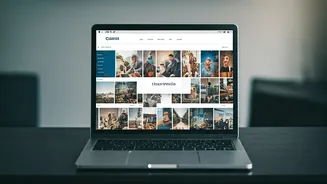
You don’t need to be a web developer to create a stunning portfolio. There are numerous user-friendly platforms available. For maximum control and a professional look, a personal website built with services like Squarespace, Wix, or WordPress is a great option. For specific fields, dedicated platforms are the norm: GitHub for developers, Behance or Dribbble for designers, and Medium or a personal blog for writers. Even a well-curated LinkedIn profile, using its ‘Featured’ section to highlight projects and posts, can serve as an effective starter portfolio. The key is to choose one platform, make it your professional home online, and include the link prominently on your resume and social media profiles.
Common Mistakes to Avoid
The most common mistake is simply not having one. But among those who do, there are pitfalls to avoid. The first is a lack of curation; including every single project you've ever done dilutes the impact of your best work. Be selective. Another major error is a poor user experience. If your site is slow to load, has broken links, or is difficult to navigate, recruiters will simply leave. Test your portfolio on both desktop and mobile devices. Lastly, typos and grammatical errors are instant credibility killers. Proofread everything multiple times, and then ask a friend to proofread it again. Your portfolio is a reflection of your professionalism, and small mistakes can leave a big negative impression.