

From Landing to Launching: A New Level of Difficulty
Successfully landing a craft on the Moon with Chandrayaan-3 was a monumental achievement that placed India in an elite group of nations. A sample return mission, however, is an entirely different league of complexity. Chandrayaan-4 isn't just about getting
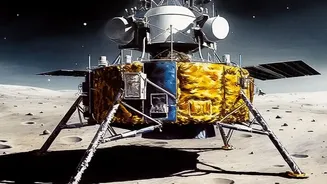
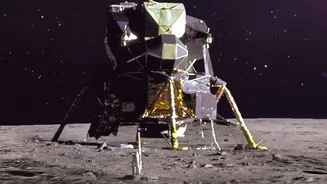
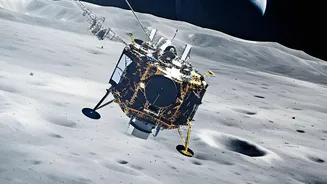
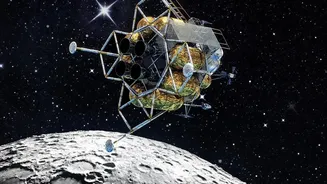
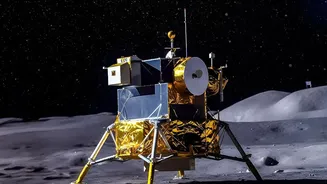
to the Moon; it's about landing, collecting pristine lunar soil and rock, and then launching a vehicle from the Moon's surface to bring those samples back to Earth. This requires not just a lander, but also an ascent module capable of lifting off from another celestial body, a transfer module to carry the sample in orbit, and a re-entry capsule to survive the fiery journey through Earth's atmosphere. If successful, India will become only the fourth country in history—after the United States, the former Soviet Union, and China—to accomplish this feat.
An Intricate Five-Module Space Ballet
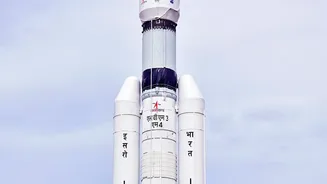
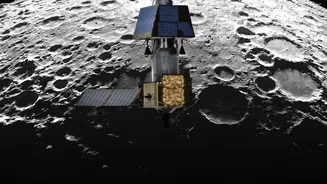
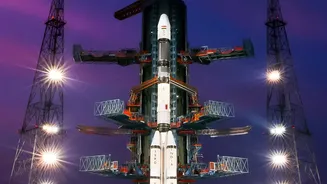
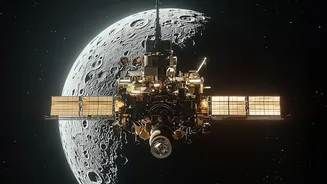
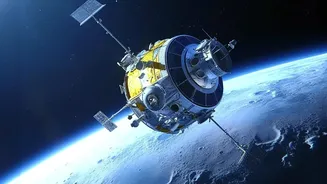
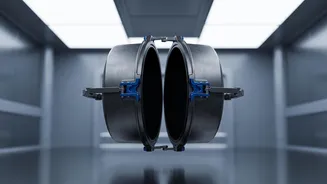
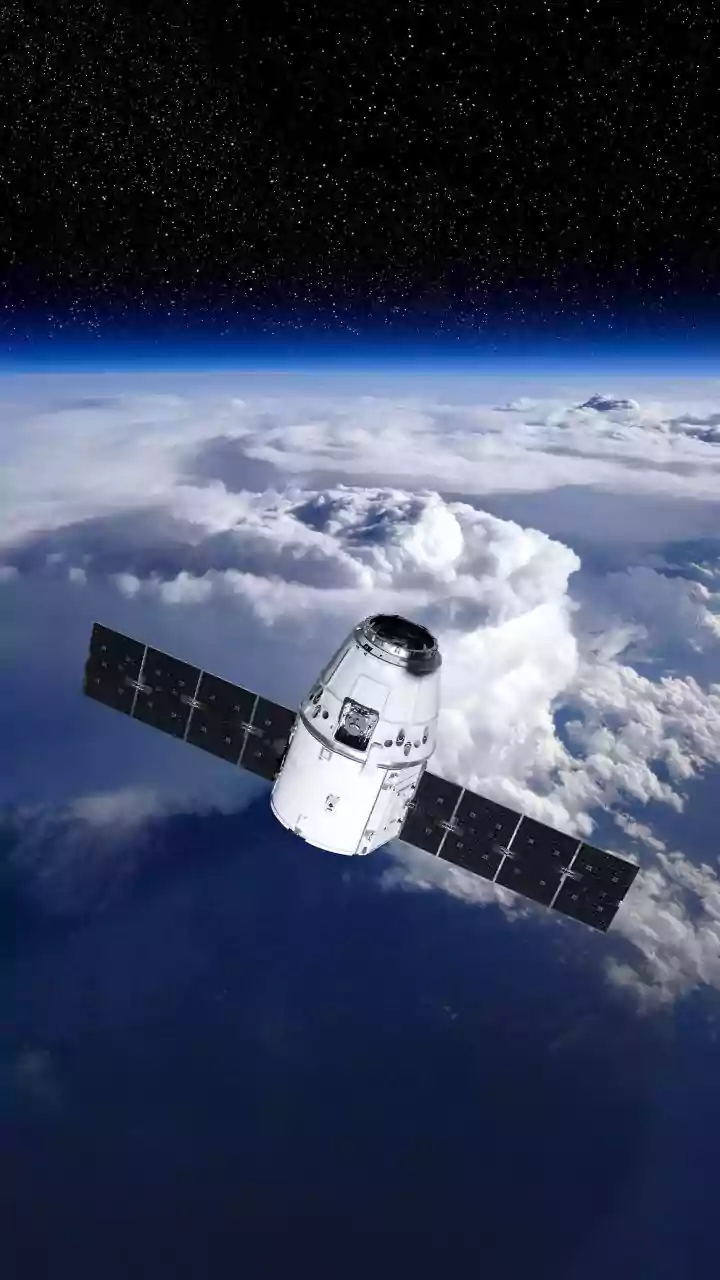
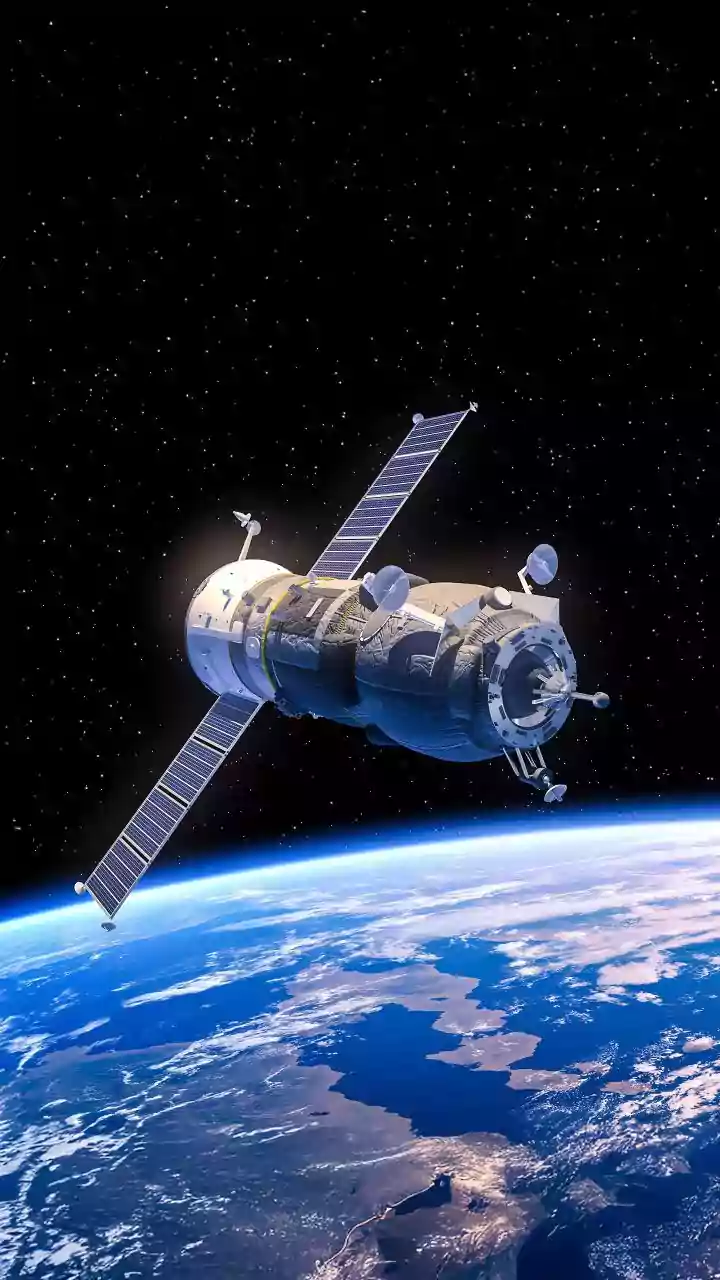
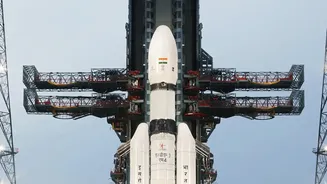
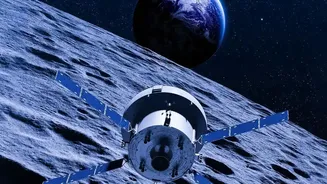
The mission's architecture is a testament to its complexity, requiring five separate modules. These are the Propulsion Module, Descender Module (lander), Ascender Module, Transfer Module, and Re-entry Module. Due to the sheer weight and complexity, the mission will be launched in two separate phases using heavy-lift LVM3 rockets. The different components will then need to perform a sophisticated docking manoeuvre in Earth's orbit before they even begin their journey to the Moon. Once in lunar orbit, the lander and ascender will separate for the surface mission. After a robotic arm collects and drills for samples, the ascender will launch from the lander's platform, rendezvous and dock again with the orbiting transfer module, pass off the precious cargo, and begin the long voyage home. It's a multi-stage cosmic ballet that demands flawless execution at every step.
The Scientific Treasure Trove of the South Pole
The global scientific community is captivated by Chandrayaan-4 because it aims to bring back the first-ever samples from the Moon's south polar region. While previous Apollo, Luna, and even China's recent Chang'e missions returned invaluable material, they came from different regions. The lunar south pole is a geological treasure trove, believed to host water ice in its permanently shadowed craters. These pristine samples could provide a direct record of the Moon's volcanic history, the materials delivered by comets and asteroids, and potentially the very origin of water on Earth. Analyzing this untouched regolith in sophisticated labs on Earth will allow for a level of investigation impossible with in-situ instruments, offering profound insights into the formation of our solar system.
A Stepping Stone for India's Grand Ambitions
Chandrayaan-4 is more than just a scientific quest; it's a critical technology demonstrator for India's future in space. The technologies being developed—such as robotic docking, lunar ascent, and deep-space return—are foundational for more complex missions on the horizon. ISRO has made it clear that this mission is a stepping stone towards India's long-term goal of sending an astronaut to the Moon by 2040 and eventually establishing a 'Bharatiya Antariksha Station' (Indian Space Station) by 2035. Each capability mastered during Chandrayaan-4, from automated rendezvous to sample transfer, builds the confidence and expertise needed for crewed missions. The mission's success will cement India's reputation as a reliable, innovative, and cost-effective partner in the growing global space economy.