
In a cosmic case of 'now you see it, now you don't', an object once hailed as one of the first exoplanets ever directly imaged has disappeared. Astronomers now have a startling explanation for this vanishing act.
The Ghost Planet
Twenty-five light-years from Earth, in
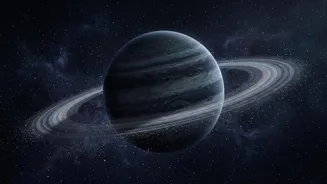
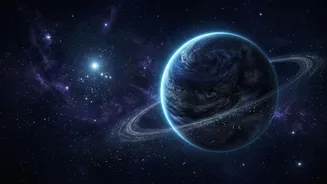
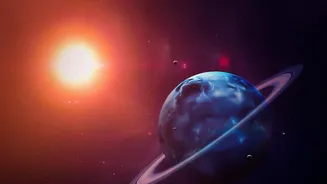
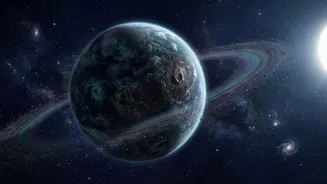
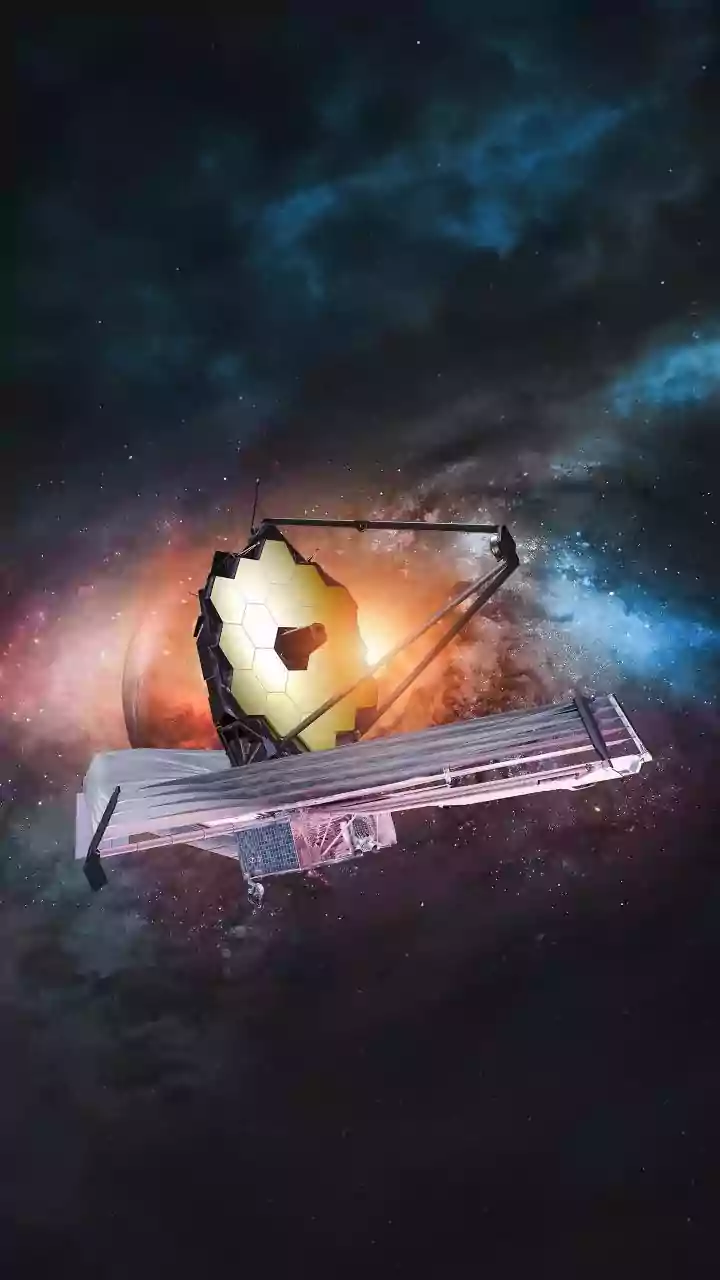
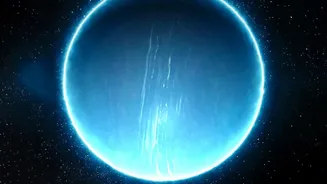
the constellation Piscis Austrinus, lies a bright star named Fomalhaut. In 2004, astronomers using the Hubble Space Telescope spotted what they believed to be a planet orbiting it, a landmark discovery since it was one of the first times an exoplanet was seen in visible light. Named Fomalhaut b, and later Dagon, it appeared as a moving dot of light, thought to be a massive gas giant, perhaps up to three times the mass of Jupiter. For years, it was celebrated as a triumph of direct imaging, offering a rare glimpse of a world beyond our own solar system.
A Celestial Mystery
From the beginning, however, Fomalhaut b was a puzzle. It showed bizarre characteristics that didn't align with what we know about planets. For starters, it was unusually bright in visible light, yet had no detectable heat signature in infrared—a strange trait for a young planet, which should be warm enough to glow in infrared. Astronomers initially theorised this brightness might be from a huge ring of dust surrounding the planet. Furthermore, its orbit appeared highly eccentric and seemed to be on a path that would take it across the star's large debris ring, which a massive planet would typically not do. In short, as one astronomer put it, Fomalhaut b was 'doing things a bona fide planet should not be doing'.
The Disappearing Act
The mystery took a dramatic turn when astronomers led by András Gáspár and George Rieke of the University of Arizona analysed later Hubble images. They noticed that the object was gradually fading and expanding over time. Then came the final shock: in images taken in 2014, Fomalhaut b had vanished completely. A planet, especially one larger than Jupiter, doesn't simply disappear. This vanishing act was the ultimate clue that the object astronomers had been tracking for a decade was something else entirely.
The Great Collision Theory
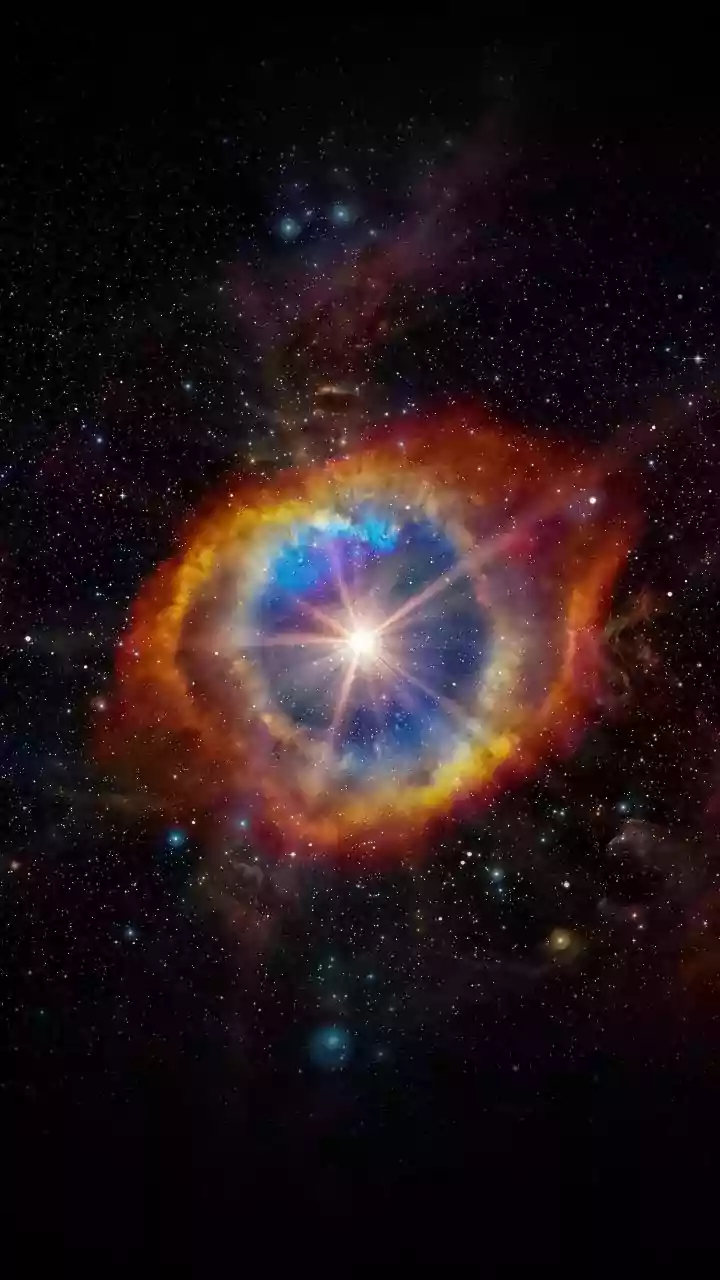
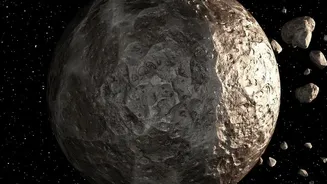
The new, compelling explanation is that Fomalhaut b was never a planet at all. Instead, what Hubble likely witnessed was the immediate aftermath of a titanic, head-on collision between two large icy bodies, each estimated to be about 200 kilometres wide. This catastrophic smashup, which likely occurred shortly before the first observations in 2004, created a massive, expanding cloud of extremely fine dust. This dust cloud was what astronomers saw and initially mistook for a planet. Over the next decade, the cloud expanded and dispersed so much that the fine particles became too sparse for Hubble to detect, creating the illusion that the 'planet' had disappeared.
A Blueprint for Destruction
While the discovery means one less exoplanet on the books, it provides something arguably rarer: a direct look at a major collision event in another star system. Scientists believe such events are common in the chaotic early lives of planetary systems—our own solar system likely experienced similar violent impacts—but they are exceedingly rare to witness. The Fomalhaut system, therefore, serves as a unique 'test lab' for understanding how planets form and, in some cases, how they are destroyed. Seeing this event provides a 'blueprint of how planets destroy each other' and offers invaluable data on the dynamic and violent processes that shape star systems across the galaxy.