



The Problem with Water and Soap
While it might seem harmless, showering with your jewellery on is one of the fastest ways to diminish its sparkle and integrity. The issue isn't just water alone; it’s the combination of moisture with the chemicals in your soaps, shampoos, and conditioners.
These products can leave a filmy residue on metals and stones, making them appear dull and cloudy over time. This buildup can be difficult to remove, especially from intricate settings and around gemstones, robbing them of their brilliance. Furthermore, the heat and steam from a hot shower can accelerate chemical reactions, compounding the potential for damage.
How Different Metals React
Not all metals are created equal when it comes to water exposure. Gold-plated and gold-filled jewellery are particularly vulnerable, as repeated contact with water and chemicals can wear away the thin outer layer, exposing the base metal beneath and leading to tarnishing and discoloration. Sterling silver, which is an alloy typically containing copper, is also prone to tarnishing more quickly when exposed to moisture and chemicals. Even solid gold and platinum, which are more resistant, are not entirely immune. While the metals themselves are durable, the alloys mixed with gold can react over time, and the constant exposure to soap scum will diminish their shine.
Protecting Your Gemstones
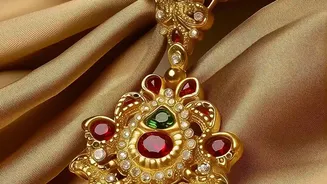
Gemstones require special consideration. Porous and organic gems like pearls, opals, turquoise, and coral are highly susceptible to damage from water and chemicals. These stones can absorb substances, leading to discoloration, drying out, and even cracking. Even hard stones like diamonds, sapphires, and rubies are not exempt from the effects of shower-wear. While the stones themselves are durable, the soap residue that accumulates on their surface creates a film that blocks light, drastically reducing their sparkle and fire. Over time, moisture can also weaken the settings that hold stones in place, increasing the risk of them becoming loose or falling out.
Other Times to Remove Your Jewellery
The shower isn't the only place your jewellery is at risk. It’s wise to adopt a 'last on, first off' policy. This means putting your jewellery on after applying lotions, perfumes, and hairspray, as the chemicals in these products can be damaging. You should also remove your pieces before swimming, as chlorine in pools and salt in the sea can cause corrosion, discoloration, and structural damage to many metals and stones. Housework involving cleaning agents and physical activities like exercising or gardening also call for bare hands, protecting your jewellery from harsh chemicals and accidental knocks or scratches.
Simple Steps for Lasting Shine
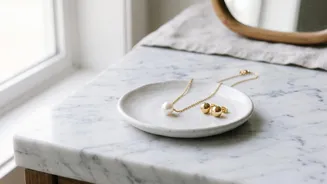
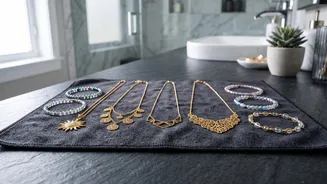
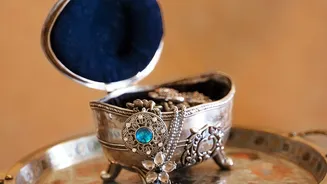
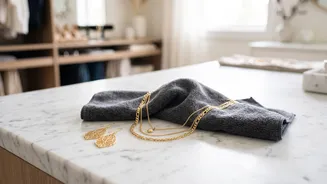
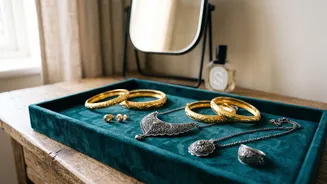
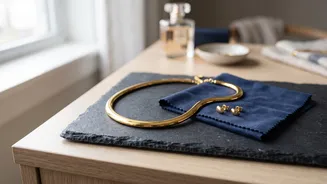
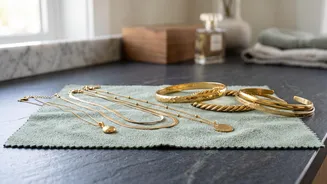
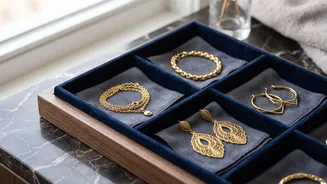
To keep your pieces in pristine condition, establish a safe spot to store them while you shower, such as a small dish or a fabric-lined box in your bedroom. This prevents misplacement and keeps them away from bathroom humidity, which can accelerate tarnishing. For cleaning, a simple solution of warm water and a few drops of mild dish soap is effective for most durable jewellery. Gently scrub with a soft-bristled toothbrush, rinse thoroughly, and pat dry with a lint-free cloth. For delicate pieces, especially porous gemstones, simply wiping them with a soft, damp cloth is a safer option.