




Beyond the Obvious Break
While we often imagine a bone fracture as a dramatic, visible break, the reality can be much more subtle. The medical definition of a fracture is simply a break in the continuity of a bone. This can range from a tiny, hairline crack to a bone that has
shattered into multiple pieces. The most common symptoms are intense pain, especially when pressure is applied, significant swelling, and tenderness to the touch. You may also notice bruising or discolouration around the injured area as damaged blood vessels leak fluid. Crucially, a key indicator is limited or impossible movement; if you're unable to use the affected limb or bear weight on it, a fracture is a strong possibility.
Is It a Fracture or a Sprain?
Distinguishing between a severe sprain and a fracture can be difficult, as both can cause pain and swelling. However, there are a few clues. A sprain is an injury to ligaments, the tissues that connect bones, while a fracture is a break in the bone itself. One telling sign can be the sound at the time of injury; a 'crack' or 'snap' is often associated with a fracture, whereas a 'pop' might indicate a sprain. Pain from a fracture is typically sharp and localized directly over the bone, whereas sprain-related pain might be more focused on the soft tissue around a joint. Numbness or a tingling sensation is also more common with a fracture. The most definitive signs of a fracture are a visible deformity, like a limb bent at an unnatural angle, or a bone protruding through the skin—both of which are medical emergencies.
When to Seek Emergency Help
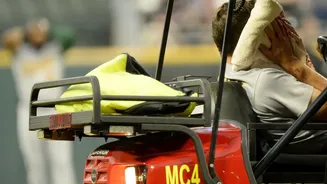
If you suspect a fracture, it's always best to get it checked by a medical professional. Self-diagnosis is unreliable, and delaying treatment can lead to complications like improper healing, chronic pain, or even infection if the skin is broken. You should go to an emergency room immediately if there is a visible deformity, the bone is protruding through the skin, or there is heavy bleeding. Other critical signs that require an emergency visit include an inability to bear any weight on the limb, loss of sensation (numbness), or if the area below the injury (like your hand or foot) feels cold or turns pale or blue, which indicates compromised blood flow. For less severe injuries without obvious deformity, an urgent care clinic can often perform an X-ray to confirm a diagnosis.
First Aid for a Suspected Fracture
While waiting for medical help, the goal is to prevent further injury and manage pain. Do not try to realign the bone or push back a bone that is sticking out. The most important step is to keep the injured area still and supported. If you can, apply a cold pack wrapped in a cloth to the area for 15-20 minutes to help reduce swelling and pain. If the injury is to a limb, elevating it above the level of the heart can also help limit swelling. If there is bleeding, apply firm pressure to the wound with a clean cloth, but press around the wound, not directly on any protruding bone.
The Path to Healing
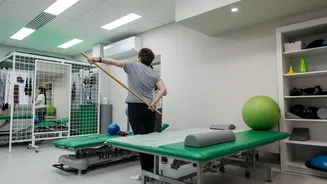
Diagnosing a fracture almost always begins with a physical exam and an X-ray. In some cases, if a hairline fracture is suspected or there might be damage to surrounding tissues, a doctor may order a CT scan or MRI for a more detailed view. Treatment depends entirely on the type and severity of the break. Many fractures can be treated conservatively with immobilisation in a cast or splint, which holds the bone in the correct position so it can heal naturally. More severe or displaced fractures, where the bone ends are not aligned, may require surgery. Surgeons can use pins, plates, or rods to realign and stabilise the bone, a procedure known as internal fixation. Recovery varies greatly, but it involves a period of immobilisation followed by rehabilitation to regain strength and mobility.