


The Tradition of Cleansing
The practice of cleaning the home before Navratri is deeply rooted in tradition. For generations, families have undertaken a thorough cleansing to purify their living spaces, believing that a clean home invites the blessings and positive energy of Goddess
Durga. This ritual, known as 'ghatsthapana' preparation in many households, involves decluttering and scrubbing every corner to create a sanctified environment for the nine nights of worship. It symbolizes the removal of negativity to make way for divine presence, a fresh start that aligns the home's energy with the spiritual significance of the festival.
From Clean to Curated
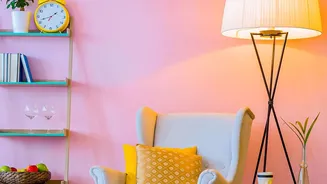
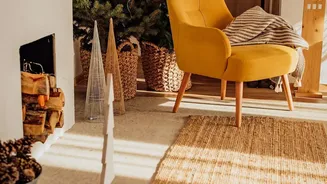
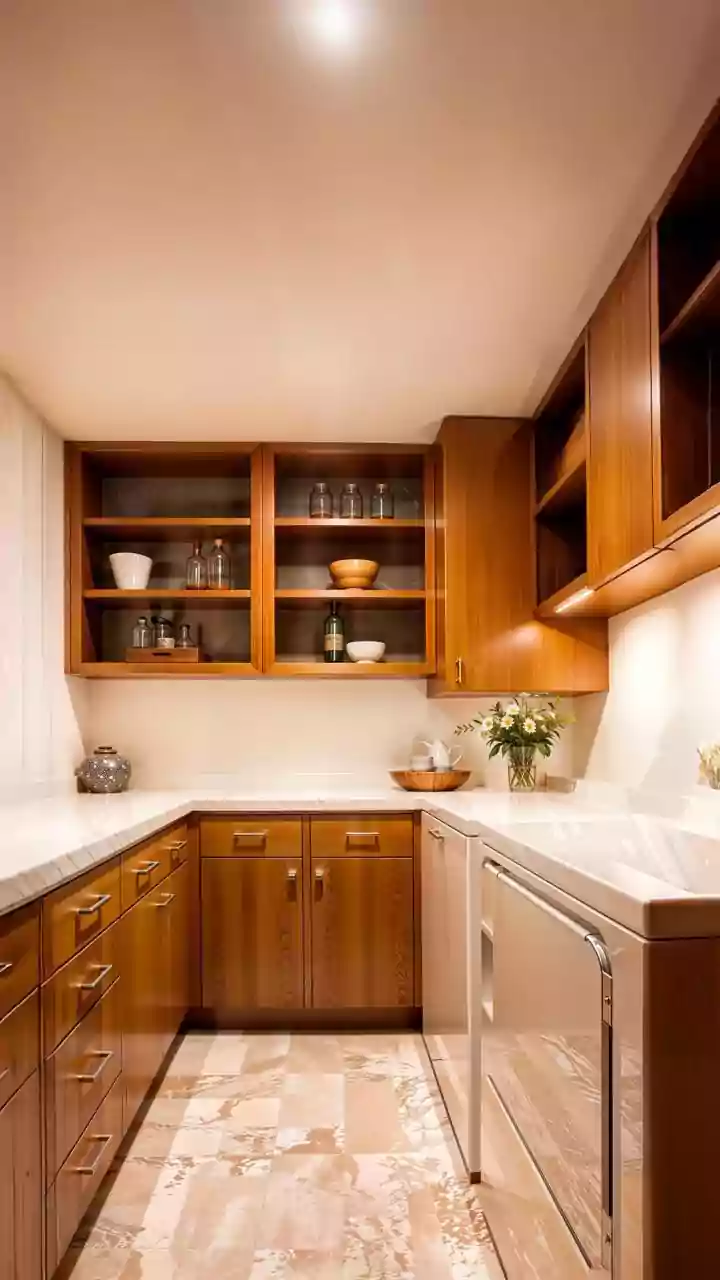
While the spiritual foundation remains, younger Indians are reimagining what it means to prepare the home. It's no longer just about cleanliness; it's about curation. This generation is using the festive period as an opportunity for self-expression, transforming their homes into spaces that reflect their personal style. The focus has shifted to a 'refresh'—a conscious effort to update interiors with new decor, textiles, and even a fresh coat of paint. This trend is backed by consumer spending data, which shows home decor and furniture as a top shopping category during the festive season, with 51% of consumers planning purchases in 2026. The goal is to create an environment that is not just pure, but also aesthetically pleasing and welcoming for guests.
The Social Media Effect
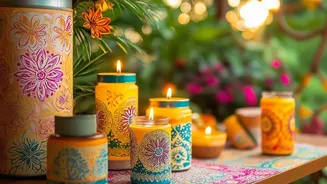
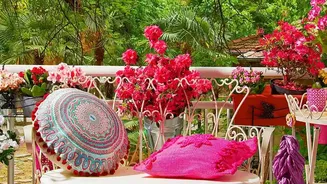
In an age of digital sharing, the home has become a backdrop for life's celebrations. Platforms like Instagram and Pinterest play a significant role in shaping tastes and driving decor trends among young people. The desire to have a 'gram-worthy' space for festive gatherings and photoshoots motivates many to invest in their home's appearance. This has led to a rise in what some call “dopamine decor,” using bold, mood-boosting colours like sunset orange, deep red, and saffron yellow to create a vibrant, photogenic setting. The home isn't just a private space for worship anymore; it's a public-facing expression of festive joy and personal identity.
A Blend of Modern and Traditional
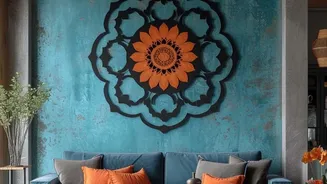
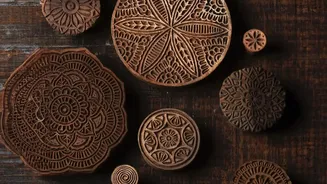
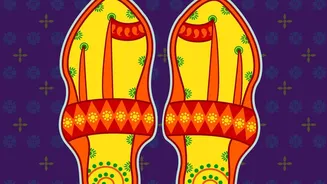
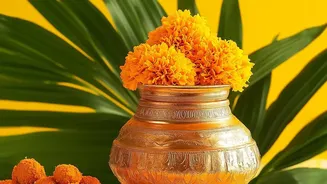
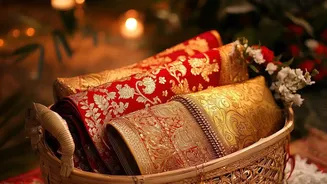
The modern Navratri refresh doesn't discard tradition but reinterprets it. Young homeowners are blending contemporary styles with cultural heritage, a trend designers call 'Grandmillennial' style. This involves mixing modern furniture with traditional Indian craft pieces, like hand-painted consoles or intricately carved 'jharokhas'. There is a strong preference for handmade, eco-friendly, and artisanal items that tell a story. Think handloom fabrics, block-printed cushions, terracotta accents, and brass diyas. This approach allows for a home that feels both current and deeply connected to its roots, a sophisticated blend of old and new.
Accessibility and Aspiration
This trend is fueled by increased accessibility. A booming market for home goods, both online and offline, makes it easier than ever to find stylish and affordable decor. Furthermore, a 2026 consumer study shows that 95% of respondents plan to spend more during the festive season, with a significant portion of that budget allocated to home-related purchases. This economic optimism, combined with a desire for well-being and creating calming, personalized environments, makes the pre-Navratri home refresh an attainable aspiration. It's an investment in creating a joyful, positive atmosphere that enhances the entire festive experience, from quiet family pujas to lively Garba nights.