


The Foundation: Smart Storage
The first step to reducing waste is making your groceries last longer. Proper storage is a game-changer. Keep delicate herbs like parsley and cilantro in a jar with water, like a bouquet of flowers. Wrap leafy greens in a damp cloth or store them in a breathable
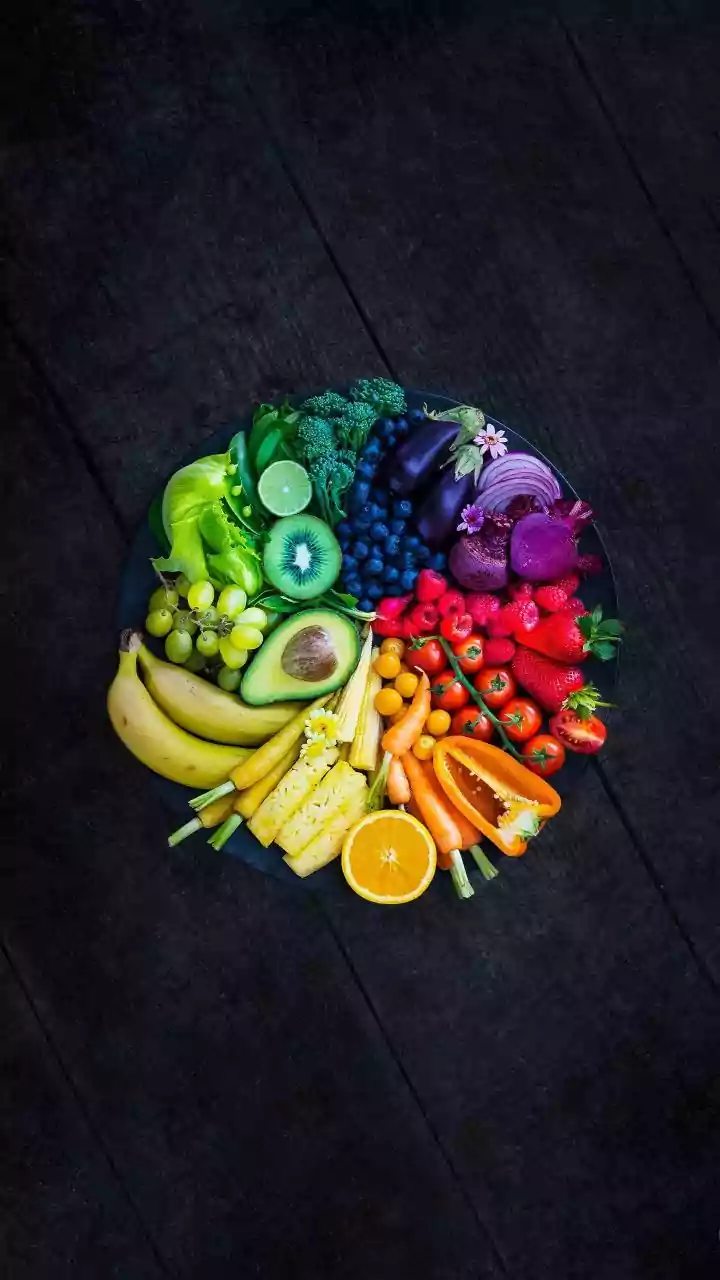
container in the fridge to keep them crisp. Many fruits, like apples and bananas, release ethylene gas which can speed up the ripening of other produce, so store them separately. Your refrigerator's drawers have a purpose; use the high-humidity setting for things that wilt, like greens, and the low-humidity for produce that rots. Finally, don't be afraid to embrace your freezer. It’s an excellent tool for pausing the clock on everything from bread to ripe bananas and leftover meals.
Mindful Preparation: Use the Whole Ingredient
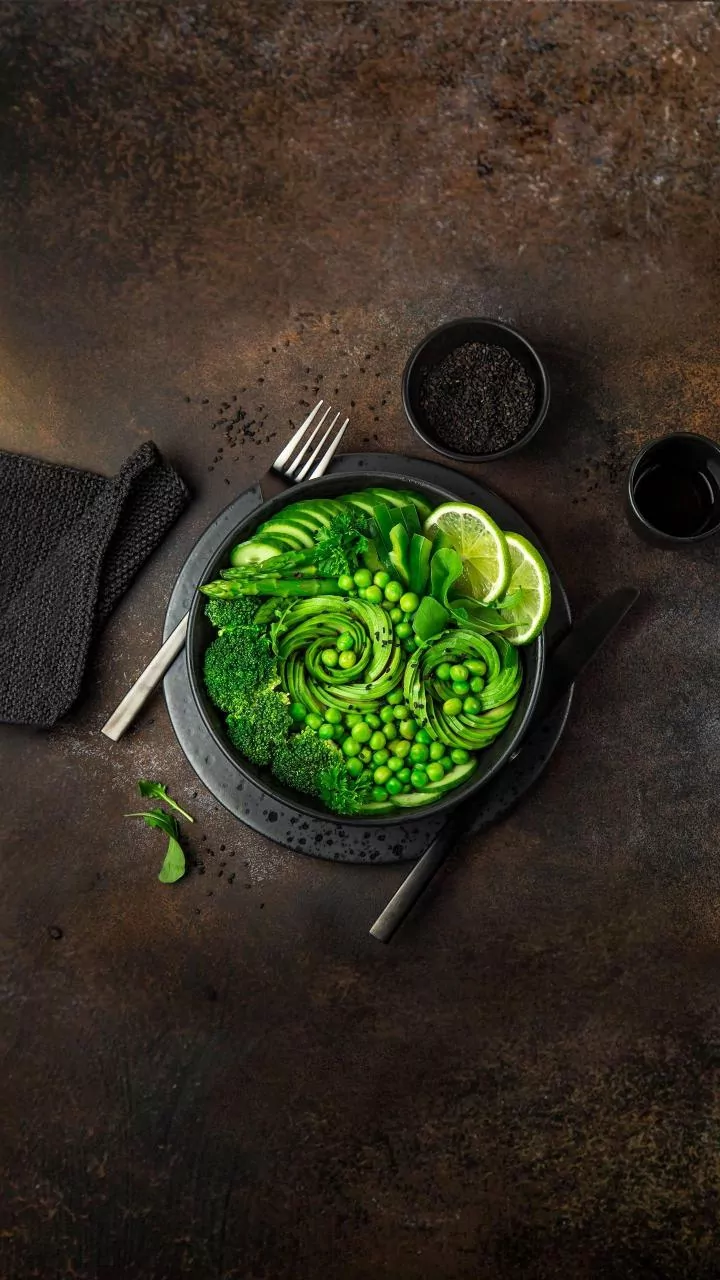
It’s time to rethink what we consider scraps. Many parts of vegetables that are commonly discarded are not only edible but also delicious and nutritious. The stems of broccoli and cauliflower can be chopped and stir-fried or roasted right along with the florets. Don't throw away leek greens; they can be chopped and used in soups or sautés just like an onion. Keep the peels from organic potatoes, toss them with a little oil and salt, and bake them into crispy chips. You can collect clean vegetable trimmings like onion skins, carrot peels, and celery ends in a bag in your freezer. Once you have a full bag, simmer them in water to create a rich, flavorful homemade vegetable stock for a fraction of the cost of store-bought versions.
The Art of Combination: Cooking Beyond the Recipe
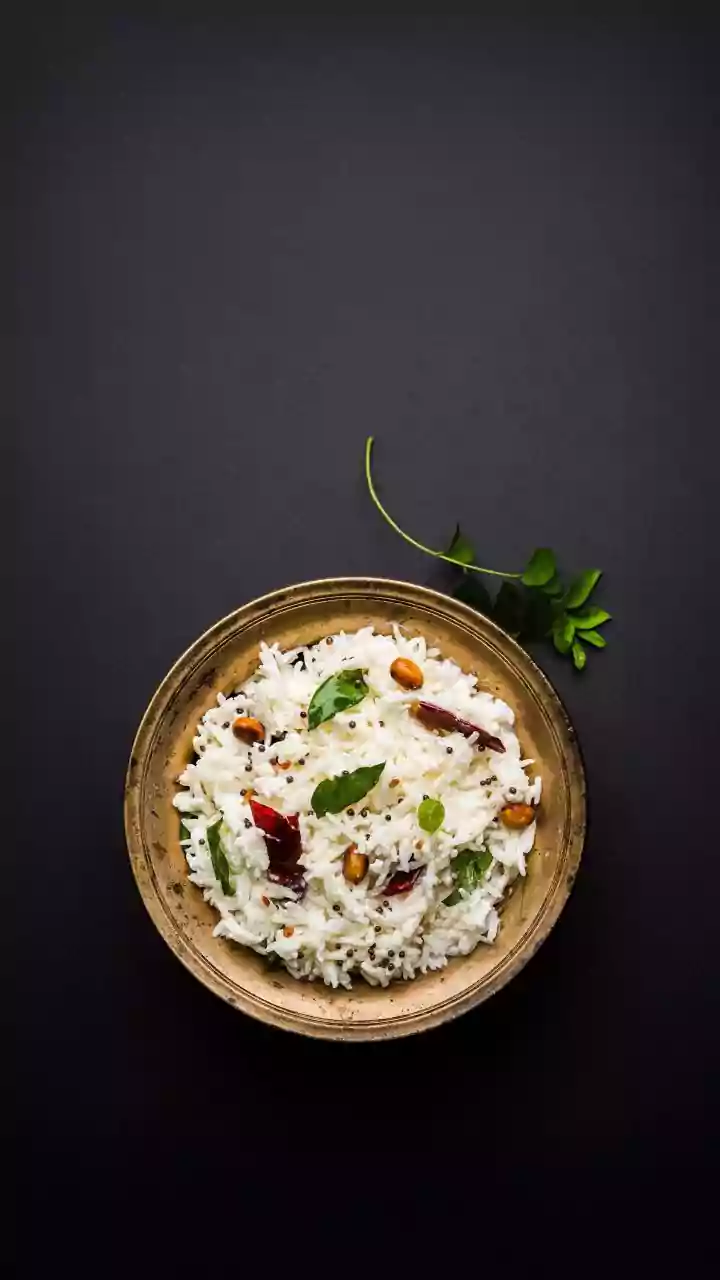
This is where culinary creativity meets sustainability. A fridge full of seemingly random leftovers isn’t a problem; it’s an opportunity. The key is to think in terms of components rather than strict recipes. Have some leftover roasted vegetables and a bit of chicken? They can become the filling for tacos, a topping for a pizza, or the heart of a quick stir-fry. Cold, leftover rice is actually the best base for making perfect fried rice. A few extra cooked vegetables and a bit of protein can be mixed with eggs and cheese to make a frittata or quiche. Wilting greens can be tossed into a soup or blended into a smoothie. Having a pantry stocked with versatile staples like canned tomatoes, onions, garlic, pasta, rice, and a good selection of spices makes it even easier to transform yesterday’s dinner into a new, exciting meal.
Shifting Your Mindset
Ultimately, sustainable cooking is a mindset. It’s about viewing your ingredients as precious resources. Start by conducting a 'fridge audit' before you go shopping to see what you already have and what needs to be used up first. Plan a couple of meals around those items. Designate an 'eat me first' box in your fridge for items that are approaching their expiry. This simple visual cue can drastically reduce the chances of finding forgotten, spoiled food in the back of a drawer. By learning to see the potential in a handful of leftovers or a slightly bruised apple, you move away from a culture of waste and toward one of resourcefulness and appreciation.