






What Exactly is Kollu?
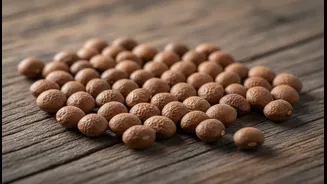
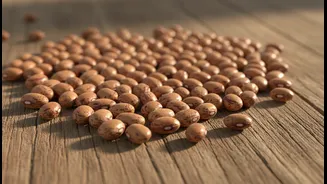
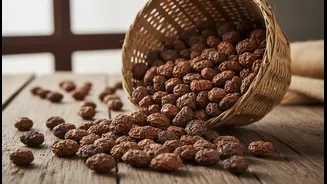
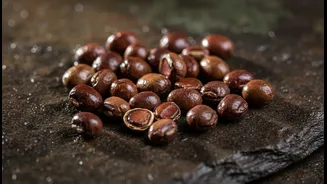
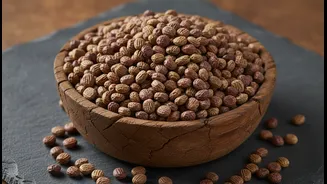
Kollu, known scientifically as Macrotyloma uniflorum, is a small but mighty legume traditionally grown in the arid and semi-arid regions of South Asia. For generations, it was a staple in rural and agrarian households, valued for its incredible resilience
and ability to thrive in poor soil with little water. Its English name, horse gram, comes from its historical use as a high-protein feed for cattle and racehorses, hinting at its power-packed nature. Often dubbed a 'poor man's pulse', its reputation was that of a functional, rustic food rather than a culinary star. This perception, however, is undergoing a dramatic and well-deserved transformation.
A Nutritional Powerhouse Rediscovered
The renewed interest in Kollu is largely driven by its incredible nutritional profile. It is one of the most protein-rich lentils available, making it an excellent plant-based protein source for vegetarians and vegans. Beyond protein, it is loaded with dietary fibre, iron, and calcium—in fact, it has the highest calcium content among common pulses. Its high fibre content aids digestion and promotes a feeling of fullness, which is beneficial for weight management. Traditional medicinal systems like Ayurveda and Siddha have long valued horse gram for its therapeutic properties, using it to address ailments from kidney stones to colds and coughs. Modern science is beginning to corroborate some of these benefits, noting its antioxidant properties and potential to help manage cholesterol and blood sugar levels.
From Humble Staple to Modern Superfood
So, what's behind Kollu's modern glow-up? Several cultural and economic currents are at play. A growing wellness movement in urban India has consumers actively seeking out 'superfoods', and Kollu fits the bill perfectly. There's a parallel surge in interest for authenticity and a return to traditional food wisdom, moving away from highly processed options. As people rediscover their culinary heritage, ingredients that were once regional staples are now being celebrated nationwide. This trend is amplified by chefs and nutritionists who champion indigenous ingredients, re-introducing them in contemporary and accessible ways. Suddenly, the humble Kollu is no longer just a rustic dal; it's a statement about health, heritage, and sustainable eating.
Why All Regional Pulses Matter Now
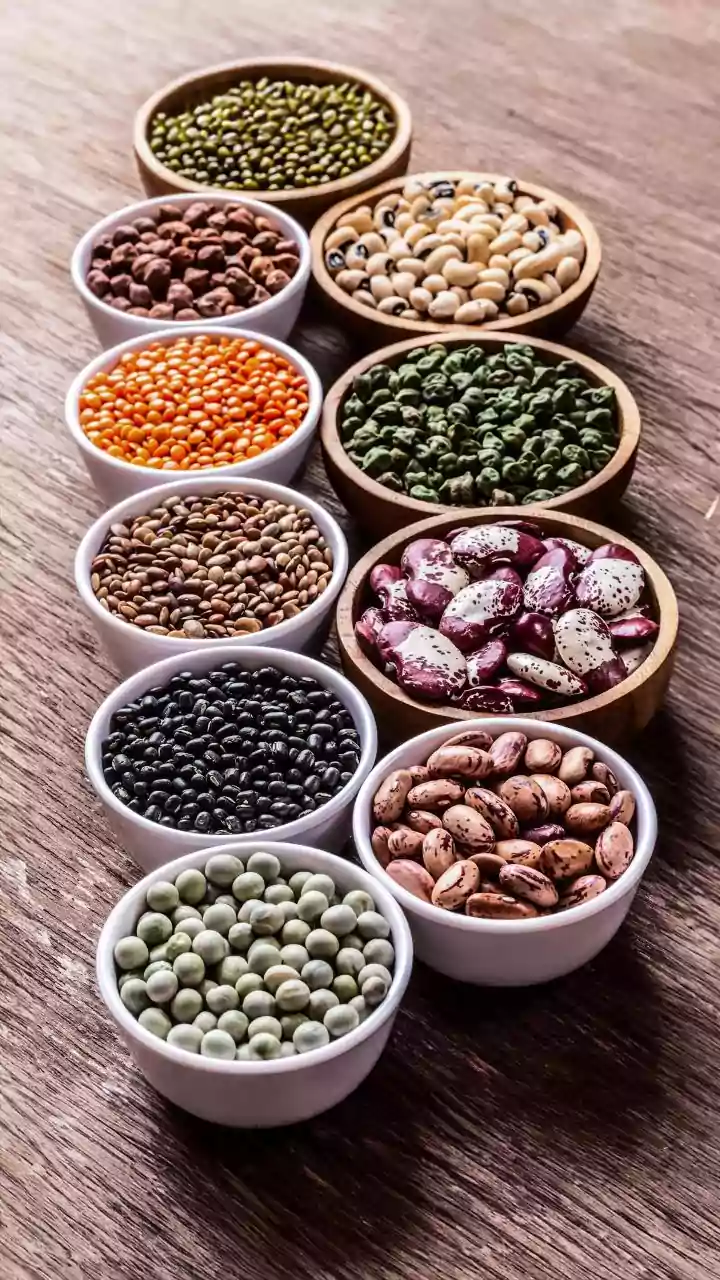
The story of Kollu is a gateway to a larger, more significant conversation about the importance of all regional pulses in India. As the largest producer and consumer of pulses globally, India still faces a significant gap between demand and supply, leading to imports and price volatility. In this context, diversifying our consumption beyond the usual arhar, moong, and chana is crucial. Hardy, climate-resilient pulses like horse gram, moth beans (matki), and black chickpeas (kala chana) offer a path to greater food security. They are often more affordable, require fewer resources like water to grow, and help improve soil fertility. For the average household grappling with food inflation, turning to these regional gems is not just a nostalgic choice but an economically sound one, providing an inexpensive source of high-quality protein.
Bringing Kollu Back to Your Kitchen
Intrigued enough to try it? Cooking with Kollu is straightforward, though it requires a bit more time than other lentils. Due to its hard texture, it's essential to soak it overnight. From there, it can be pressure-cooked until soft. Its flavour is distinctly earthy and robust. A fantastic starting point is the classic South Indian Kollu Rasam, a peppery and tangy soup that's both comforting and healing. You can also make Kollu Sundal (a simple stir-fry), Kollu Thogayal (a thick chutney), or grind it into flour to make a nutritious podi to sprinkle over rice or idlis. No matter how you prepare it, you'll be partaking in a delicious tradition that is both ancient and incredibly modern.