




Giving Your Digestion a Helping Hand
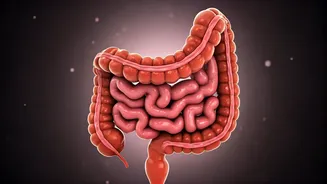
Have you ever felt a bit sluggish or bloated during the rainy season? You're not alone. According to both modern dietetics and ancient Ayurvedic wisdom, the damp, humid weather can take a toll on our digestive system. Ayurveda describes this as a weakening
of 'Agni', or the digestive fire, due to an increase in moisture in the atmosphere which can aggravate the 'Vata' dosha. This can lead to common issues like indigestion, gas, and a feeling of heaviness. Hot, cooked food is significantly easier for your body to process. The cooking process has already started breaking down complex components in the food, making it less work for your gut. Light, warm meals like soups, stews, and freshly prepared dals don't tax your already burdened digestive system, allowing it to function more efficiently and helping you feel more energetic.
A Shield Against Monsoon Infections
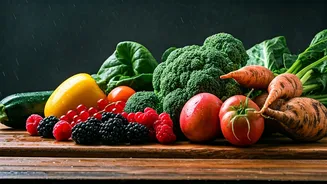
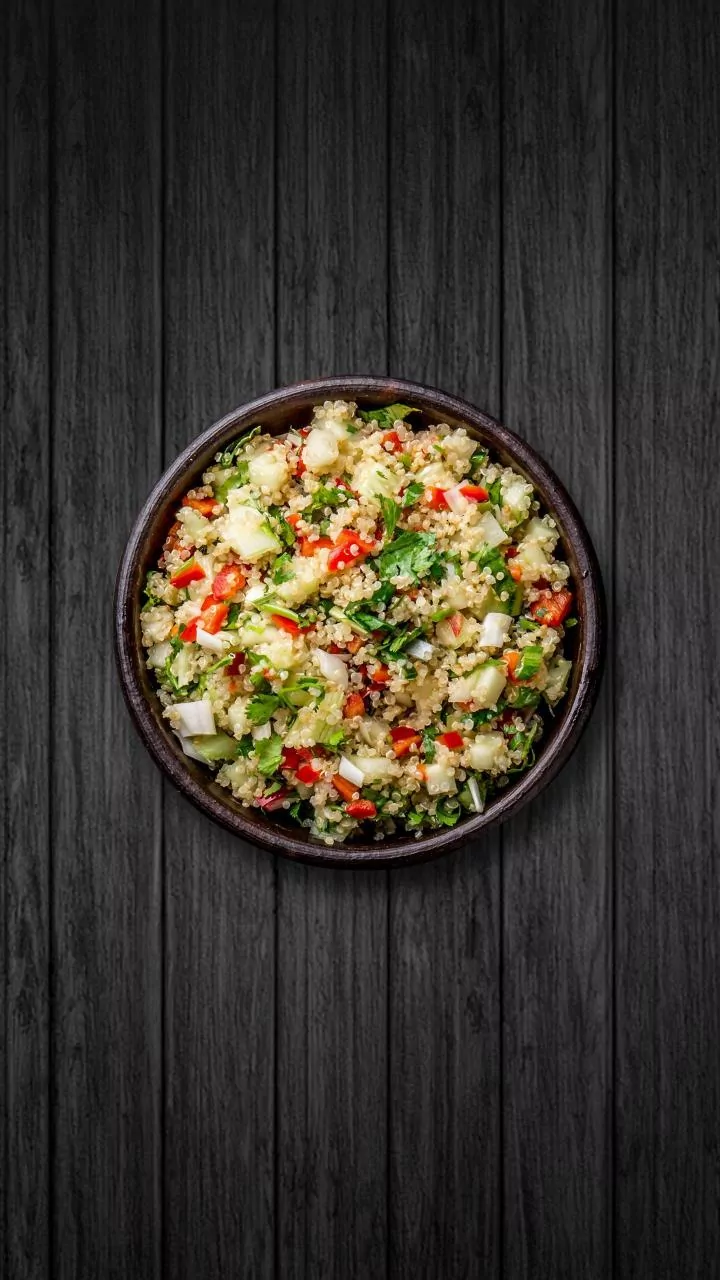
The monsoon season, as refreshing as it is, is also peak season for foodborne and waterborne illnesses. The high humidity and moisture provide the perfect breeding ground for harmful bacteria, viruses, and parasites. This leads to a seasonal spike in diseases like gastroenteritis, typhoid, and cholera, often traced back to contaminated food and water. This is where temperature becomes your greatest ally. Cooking food at a high temperature is one of the most effective ways to kill these dangerous microbes. This is why health experts strongly advise against consuming raw foods during this season. That includes raw salads, pre-cut fruits from vendors, and various chutneys that haven't been cooked. Opting for food that is served piping hot ensures a much safer meal, significantly reducing your risk of falling prey to a nasty stomach bug.
Unlocking More Nutrients
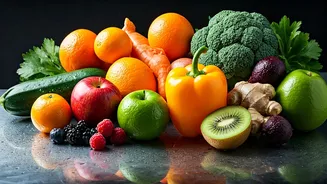
A common myth is that raw food is always more nutritious. While it's true that some vitamins, like Vitamin C, can degrade with heat, the story is more complex. Cooking actually unlocks other vital nutrients, making them more available for your body to absorb. This process is called increasing bioavailability. For example, the antioxidant lycopene in tomatoes, known for its cancer-fighting properties, becomes much more accessible after cooking. Similarly, your body can absorb more beta-carotene (which it converts to Vitamin A) from cooked carrots than from raw ones. Cooking also breaks down the tough cell walls of plants, making it easier for your digestive system to access the goodness within. So, a bowl of hot vegetable soup may be providing you with more usable nutrition than a raw salad.
Making Smart Choices
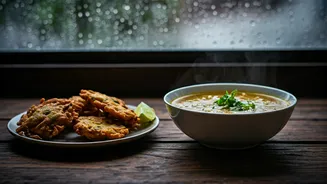
Embracing hot food doesn't mean you have to give up on your favourite monsoon snacks, but it might mean reimagining them. While the craving for deep-fried pakoras is understandable—it's partly a response to the gloomy weather and a drop in serotonin levels—they can be heavy on the digestive system. Instead, focus on a variety of warm, nourishing options. Think of steamed dishes, grilled corn (bhutta), and hearty soups made with immunity-boosting ingredients like ginger, garlic, and turmeric. A warm bowl of khichdi is a classic Ayurvedic recommendation for the season because it's light, nutritious, and incredibly soothing for the gut. Even herbal teas and warm water with a dash of honey and lemon can contribute to keeping your system clean and your body warm, strengthening your defences from the inside out.