



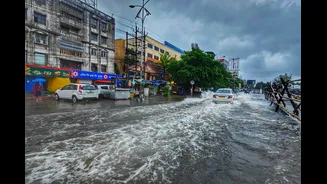

The Great Monsoon Deluge
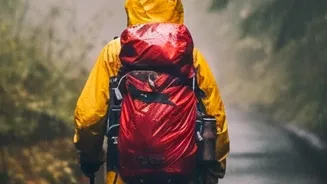
Every year, as the monsoon sweeps across India, countless travellers face the same frustrating problem: wet luggage. You might have a 'water-resistant' backpack or a sturdy-looking suitcase strapped to the roof rack, but torrential rain on a highway has
a way of finding every single weakness. Water-resistant is not waterproof. Zippers leak, seams seep, and fabric eventually saturates. After hours of exposure, you arrive at your destination only to find your clothes damp, your books warped, and your electronics at risk. The disappointment is real, but thankfully, the solution is both simple and highly effective.
Understanding the Dual-Layer System
The secret to genuinely waterproof packing is not about finding one magical, impenetrable bag. Instead, it’s about a two-layer system that assigns a different job to each layer. The outer layer, your primary backpack or duffel bag, is for structure and abrasion resistance. Its job is to handle the bumps, scrapes, and general stress of travel. The inner layer, however, has only one job: to be 100% waterproof. This separation of duties is what makes the system so robust. Your tough outer bag protects the more delicate inner waterproof layer from punctures and tears, allowing it to do its job without being compromised.
Layer One: Your Bag’s Real Job
Think of your main travel bag as the tough outer shell. Whether it's a high-tech rucksack or a simple duffel, its primary purpose is to hold everything together and withstand the physical demands of the journey. It's built with durable fabrics, strong straps, and load-bearing seams. However, those very seams, along with zippers, are points of failure against persistent water. Rain can be driven into zippers by wind on a moving vehicle, and water will eventually wick through stitching holes. Don't expect this layer to keep things dry in a downpour; expect it to protect the layer that will.
Layer Two: The Waterproof Core
The inner layer is your true defence against moisture. This can be as simple as a large, heavy-duty plastic contractor bag or a purpose-built nylon dry bag. The key is that this layer is a seamless, sealable vessel. Unlike your main backpack, it has no stitched seams or zippers for water to creep through. The idea is to create a self-contained waterproof pouch inside your main luggage. For smaller items, especially electronics, this principle applies on a micro-scale. Using high-quality zip-top bags or small roll-top dry bags for phones, chargers, and cameras provides a crucial second barrier of protection within the larger waterproof liner.
How to Pack Using This Method
Putting the dual-layer system into practice is straightforward. First, open your main backpack or duffel bag and insert your large waterproof liner. A thick, industrial-grade plastic bag is a great budget option. Push it down so it takes the shape of your bag's interior. Next, pack all your belongings directly into this liner. Once everything is inside, expel as much air as possible before sealing the liner. For a plastic bag, twist the top tightly, fold the twisted section over on itself to create a 'gooseneck' loop, and secure it with a rubber band or tape. If using a commercial dry bag, roll the top down three to four times and clip the buckle. Finally, close your main backpack's zippers or clasps. Your gear is now protected by a durable outer bag and a waterproof inner sanctum.
Common Mistakes to Avoid
The most common mistake is relying on a single, thin plastic bag. These are easily punctured by sharp corners on books, chargers, or even the contents of your toiletry kit. Once punctured, they are useless. The beauty of the dual-layer system is that the sturdy outer bag prevents these punctures. Another error is improper sealing. Simply tying a loose knot in a plastic bag will not create a watertight seal. The twist-and-fold method is crucial. Lastly, avoid taking your items out in the rain unless necessary. Every time you open the waterproof liner, you risk introducing moisture. It's wise to pack a separate, easily accessible small dry bag with essentials you might need on the road, like snacks or a rain jacket.