






From Cafes to Summits
Just a few years ago, a typical weekend for Almaty’s youth might have involved sipping coffee in a trendy cafe or browsing the latest fashions at Dostyk Plaza. Today, that scene is increasingly being replaced by another: groups of friends clad in hiking
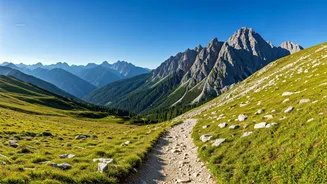
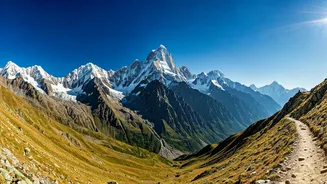
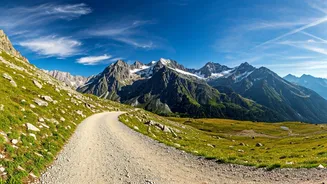
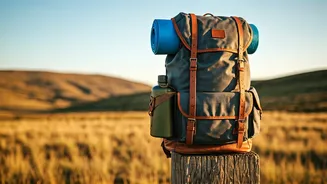
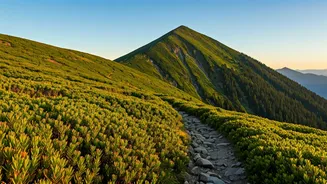
gear, armed with backpacks and smartphones, gathering at the trailheads of the Tien Shan mountains that cradle the city. From the accessible paths of Kok-Zhailau to the more challenging ascents towards Big Almaty Peak, the trails are buzzing with an energy that feels fresh and transformative. This isn't the seasoned alpinism of their parents' generation; it's a new, social, and digitally-native exploration of the wild backyard they've always had.
The Social Media Summit
It’s impossible to discuss this trend without mentioning Instagram. The stunning, turquoise waters of Big Almaty Lake, the panoramic views from Furmanov Peak, and the ethereal beauty of the Kolsai Lakes have become coveted backdrops for a generation fluent in visual storytelling. A well-composed photo from a challenging hike serves as a digital badge of honour, a testament to both adventure and aesthetics. Tour operators and influencers have capitalized on this, creating curated “Insta-tours” that guide hikers to the most photogenic spots. While some purists may scoff, social media has undeniably democratized the mountains, making them more accessible and appealing to a broader audience that might have previously felt intimidated or uninterested.
A Search for Authenticity and Wellness
Beyond the 'gram, deeper motivations are at play. For many young urbanites, hiking offers a vital escape from the pressures of city life. The clean mountain air and physical exertion provide a powerful antidote to stress, anxiety, and digital burnout. The COVID-19 pandemic acted as a significant catalyst, with lockdowns and restrictions pushing people to seek safe, open-air recreational activities. This period forced a re-evaluation of lifestyles, and for many, the discovery of nature’s restorative power has had a lasting impact. It's a search for something real in a digitally saturated world—the feeling of tired muscles, the taste of hot tea from a thermos on a cold summit, and the simple camaraderie of a shared journey.
A New Chapter in an Old Story
While the youth interest is new, Almaty's relationship with its mountains is not. The city has a long and proud history of mountaineering, rooted in the Soviet era's emphasis on physical culture and alpinism. However, today’s young hikers are writing a new chapter. They are less focused on technical conquest and more on experience, community, and environmental awareness. They form informal groups through Telegram and WhatsApp, share tips on gear and trail conditions online, and increasingly champion a “leave no trace” ethos. This movement represents a modern reinterpretation of their natural heritage, blending national pride with a global consciousness about sustainability and wellness.
Growing Pains on the Trail
This surge in popularity is not without its challenges. Popular trails are experiencing unprecedented foot traffic, leading to issues with erosion, waste management, and safety. The sight of litter on once-pristine paths has sparked a fierce debate online and spurred community-led clean-up initiatives. There's a growing recognition among both hikers and authorities that better infrastructure is needed—clearer trail markings, more waste bins, and accessible information on responsible hiking practices. The challenge for Almaty is to nurture this positive trend without letting its natural treasures be loved to death, balancing access with conservation to ensure the mountains can be enjoyed by generations to come.