


Understanding the Two Types of Iron
Before we get to the lemon, it’s important to know that dietary iron comes in two forms: heme and non-heme. Heme iron, found in animal products like meat, poultry, and fish, is easily absorbed by our bodies. On the other hand, non-heme iron is the type
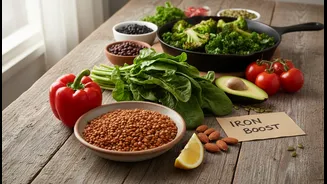
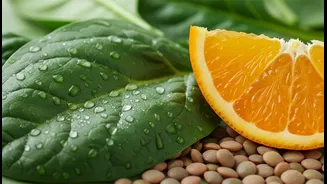
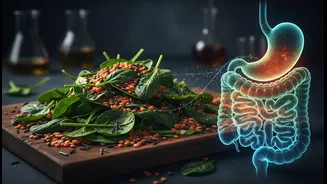
found in plant-based foods such as lentils, chickpeas, beans, spinach, and fortified cereals. For vegetarians and those who rely on a plant-forward diet, non-heme iron is the primary source. The challenge is that our bodies don't absorb non-heme iron as efficiently. This is where the magic of Vitamin C comes into play.
Vitamin C: The Key to Unlocking Iron
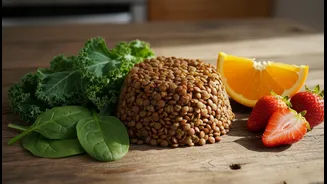
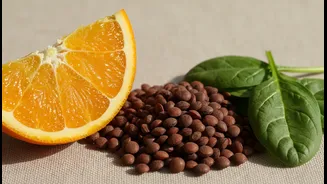
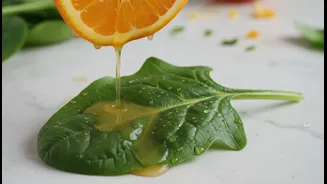
The science behind this kitchen wisdom is elegant. Most non-heme iron in plant foods exists in a form called ferric iron (Fe3+), which is difficult for our intestines to absorb. Vitamin C, or ascorbic acid, acts as a powerful reducing agent. When you squeeze lemon juice onto your lentils, the Vitamin C gets to work, converting the hard-to-absorb ferric iron into the much more soluble and absorbable ferrous iron (Fe2+) form. Think of it as Vitamin C changing the iron's chemical 'password' so it can easily enter your system. Furthermore, Vitamin C forms a stable, soluble compound with the iron, which prevents it from getting locked up by other food components as it travels through your digestive system, ensuring it remains available for absorption.
Navigating the Iron Inhibitors
Just as Vitamin C is a powerful enhancer, certain compounds found in plant-based foods can act as inhibitors, blocking iron absorption. The main culprits are phytates and polyphenols. Phytates are present in whole grains, legumes, nuts, and seeds, and can significantly reduce iron uptake. Polyphenols, including tannins found in tea and coffee, are also potent inhibitors. This is why it’s often advised to avoid drinking tea or coffee with your meals. Calcium is another mineral that can interfere with the absorption of both heme and non-heme iron. The good news is that Vitamin C is strong enough to counteract the effects of these inhibitors, helping to free up iron for your body to use.
Putting It All Into Practice
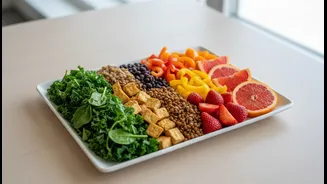
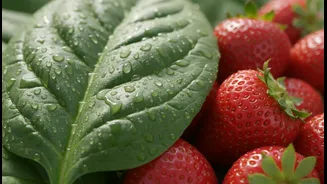
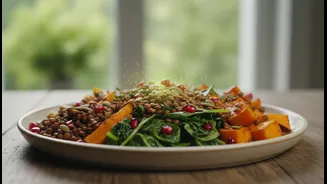
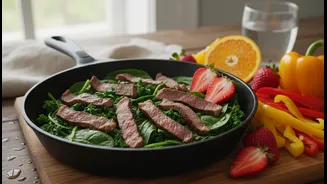
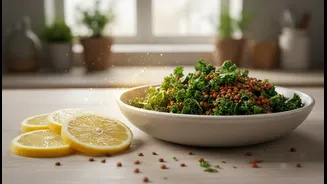
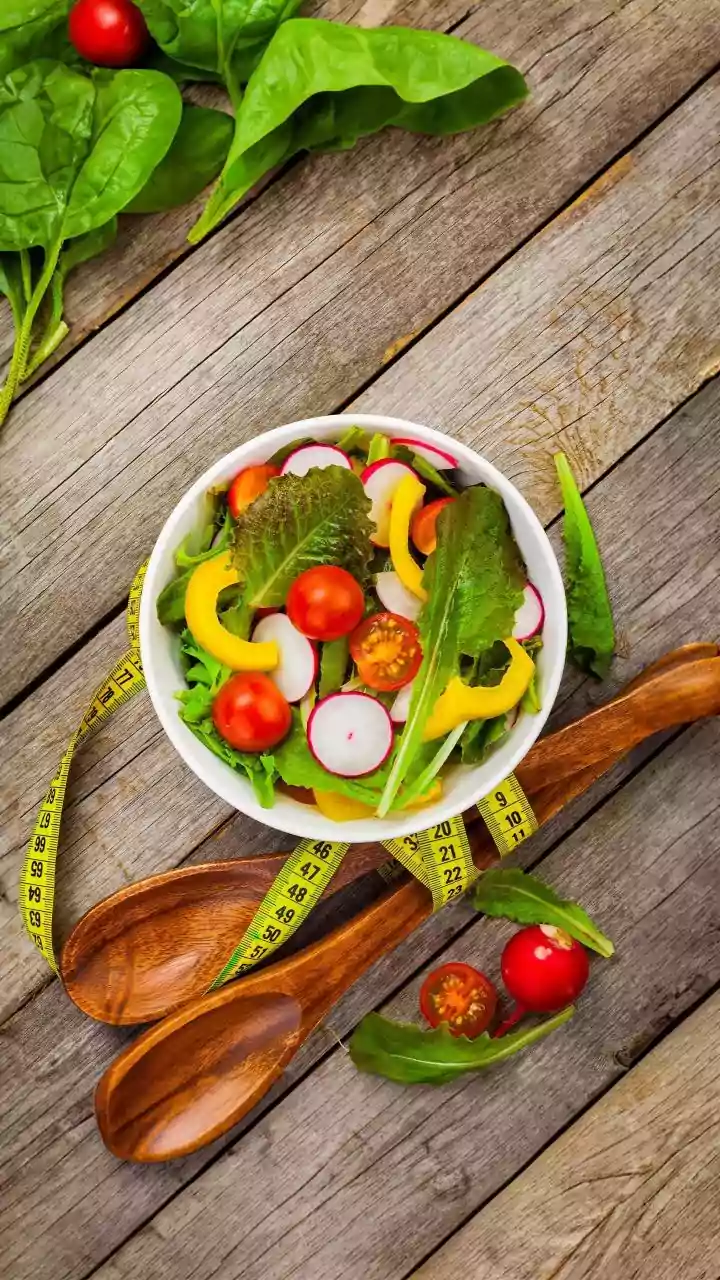
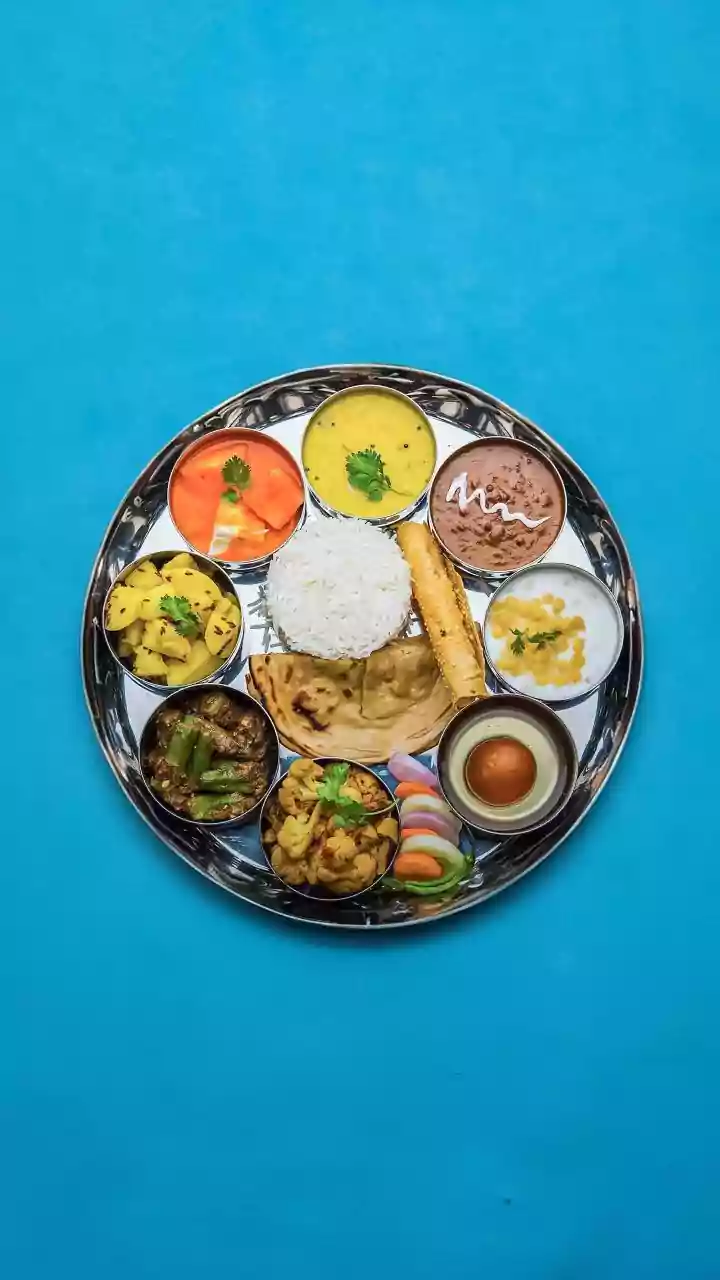
Applying this science to your daily meals is simple and delicious. The key is to pair iron-rich vegetarian foods with a source of Vitamin C in the same meal. For an Indian context, this is already a part of traditional cuisine. Think of squeezing lemon or lime over dal, sambar, or bean salads. Adding tomatoes (another great source of Vitamin C) to your chickpea curry or spinach sabzi serves the same purpose. Other fantastic pairings include a bell pepper and tofu stir-fry, a spinach salad with a strawberry vinaigrette, or a bowl of oatmeal topped with berries. Even a small amount of Vitamin C can make a significant difference, with some studies showing it can boost absorption several times over.