




Mark Your Calendars: Navratri 2026 Dates
The most widely celebrated of the year's four Navratris, Sharad Navratri, is just around the corner. In 2026, the nine-night festival begins on Sunday, October 11, and concludes on Monday, October 19. This vibrant period of worship and celebration culminates
in Vijayadashami, also known as Dussehra, on Tuesday, October 20. These dates are determined by the Hindu lunar calendar, falling in the bright half of the month of Ashwin. The festival honours the divine feminine, or Shakti, and its central theme is the triumph of good over evil, most famously embodied by Goddess Durga's victory over the demon Mahishasura.
The Heart of the Festival: Understanding the Nine Nights
Navratri, which literally translates to “nine nights,” is dedicated to worshipping the nine forms of Goddess Durga, collectively known as the Navadurga. Each day celebrates a different divine incarnation: Shailputri, Brahmacharini, Chandraghanta, Kushmanda, Skandamata, Katyayani, Kalaratri, Mahagauri, and Siddhidatri. Spiritually, the festival is often seen as a journey through three fundamental qualities. The first three days are dedicated to Durga, representing the power to destroy impurities. The next three days honour Lakshmi, the goddess of spiritual and material wealth. The final three days are for Saraswati, the goddess of wisdom and learning. The tenth day, Vijayadashami, symbolises the victory achieved by transcending these states.
Preparing Your Home for the Festivities
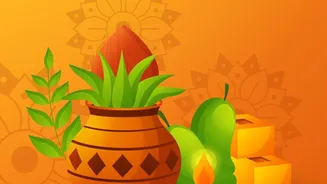
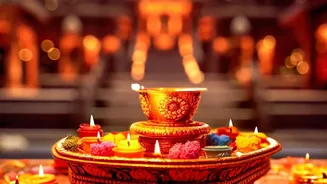
Festive preparations traditionally begin with a thorough cleaning of the home, creating a pure and welcoming space for the divine. A key ritual on the first day is Ghatasthapana, or Kalash Sthapana. This involves placing a consecrated pot, filled with holy water, mango leaves, and a coconut, in the puja area—typically the northeast corner of the home. Often, barley seeds are sown in a clay pot near the Kalash; their sprouting over the nine days symbolizes fertility and abundance. Many households also light an Akhand Jyot, a lamp that is kept burning continuously for the entire nine-day period, signifying the constant presence of the divine.
The Flavours of Faith: Fasting and Feasting
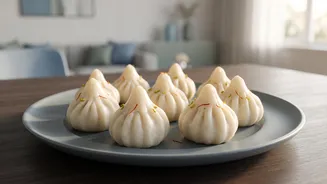
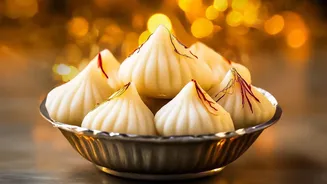
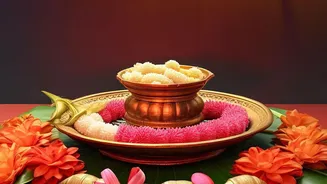
Fasting, or observing a vrat, is a common practice during Navratri, undertaken to purify the body and mind. The rules can be flexible, but generally, devotees abstain from grains like wheat and rice, lentils, onions, garlic, and non-vegetarian food. Instead, meals are prepared with alternatives like kuttu (buckwheat) flour, singhara (water chestnut) flour, sabudana (tapioca pearls), and samak rice. Rock salt (sendha namak) is used for seasoning. The diet is supplemented with fruits, milk products, and nuts. This period of dietary discipline culminates in festive feasting, with special dishes prepared as offerings (prasad) and shared with family and friends.
A Symphony of Colour, Dance, and Devotion
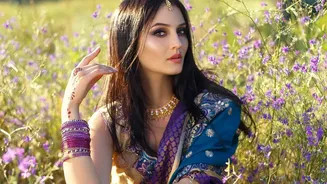
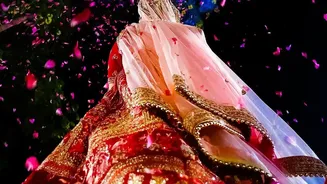
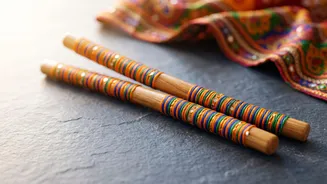
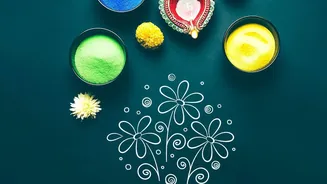
Navratri is a visual spectacle, marked by vibrant colours and energetic community events. A popular tradition involves wearing clothes of a specific colour each of the nine days, with each shade corresponding to the goddess worshipped on that day. The evenings come alive with the sounds of Garba and Dandiya Raas, especially in Gujarat and Maharashtra. These traditional folk dances are a joyous form of community worship, performed in circles around an image or lamp representing the Goddess. Planning outfits for these nine nights, from traditional chaniya cholis to elegant kurtas, has become an integral part of the festive buildup.
A Celebration Across India: Diverse Traditions
While the essence of Navratri remains the same, its expression varies beautifully across India. In Gujarat and Mumbai, it is synonymous with massive Garba and Dandiya nights. In West Bengal and other eastern states, the final days of Navratri are celebrated as Durga Puja, featuring elaborate pandals, artistic idols, and cultural performances. In South India, particularly Tamil Nadu, homes are decorated with Golu, an intricate display of dolls and figurines. Meanwhile, Karnataka celebrates the festival as Dasara, with the city of Mysuru hosting a world-famous procession and an illuminated palace. These regional variations showcase the incredible cultural tapestry of the country, all united in devotion.