



Why the Sudden Focus on Protein?
The spotlight on protein is a response to some sobering statistics. Several surveys have highlighted a significant protein deficiency across the country, with some studies suggesting more than 70% of urban Indians don't get enough of this crucial nutrient.
Worse still, a vast majority of people are unaware of their daily protein requirements. This isn't just about building muscle; it's a public health issue. National initiatives like the POSHAN Abhiyaan have long aimed to combat malnutrition by focusing on a holistic diet for mothers and children. The current push, supported by awareness campaigns like 'Right To Protein' and a new wave of accessible products, aims to bring this conversation from policy documents to the dinner table for every Indian family.
The Unsung Hero of Your Plate
When we think of protein, images of bodybuilders and gym supplements often come to mind. But its role is far more fundamental and affects everyone, every single day. Protein is the building block of life, essential for repairing cells, maintaining muscle mass, and supporting growth. It’s also a key player in keeping your immune system strong, helping your body produce antibodies to fight off infections. Beyond that, a protein-rich meal helps you feel full and satisfied for longer, which can prevent overeating and keep energy levels stable. The Indian Council of Medical Research (ICMR) recommends that a healthy adult needs about 0.8 to 1 gram of protein daily per kilogram of body weight. For a person weighing 60 kilograms, that’s about 48 to 60 grams of protein every day.
The Great Indian Protein Gap
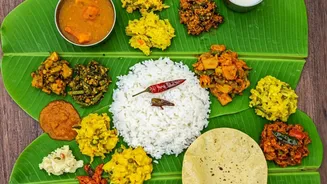
Many of us believe that a standard Indian diet is automatically balanced. While our traditional cuisine is rich and diverse, it can often be heavy on carbohydrates. A common meal of dal and rice, for example, is nutritious but may not be enough to meet your daily protein needs on its own. A single bowl of dal might provide only 7-9 grams of protein. Studies show that a large portion of our daily protein intake often comes from cereals like rice and wheat, which are not as high-quality or complete as sources like pulses, dairy, or eggs. This over-reliance on a few food groups creates a 'protein gap', where we think we're eating well but are consistently falling short of our body's requirements for this vital macronutrient.
Powering Up Without Breaking the Bank
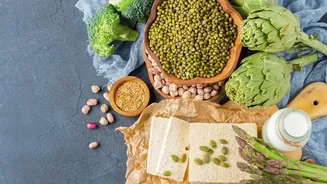
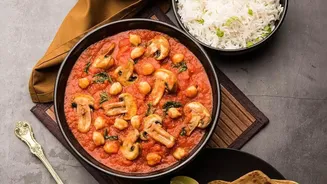
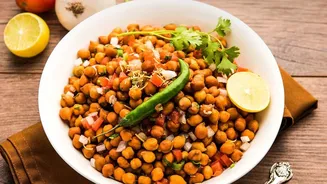
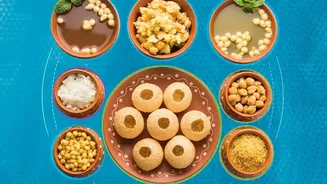
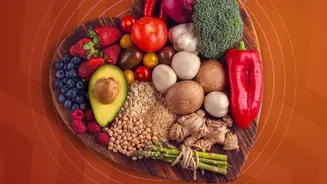
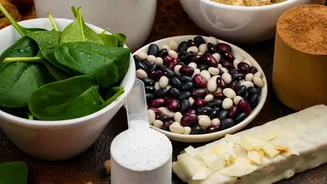
The good news is that meeting your protein needs doesn't require expensive supplements or imported superfoods. The Indian kitchen is already a treasure trove of affordable, high-protein ingredients. Soya chunks are a powerhouse, offering one of the most budget-friendly ways to boost your intake. Lentils and legumes, the cornerstones of our cuisine, are fantastic sources. Think beyond the usual toor dal and incorporate more chana (chickpeas), rajma (kidney beans), and whole moong into your diet. Peanuts are another excellent and inexpensive option, perfect as a snack or added to dishes. For non-vegetarians, eggs are a complete protein source that is both affordable and versatile. And staples like paneer and curd (dahi) remain excellent, accessible choices for vegetarians.
Smart Swaps for a Diverse Diet
The key to closing the protein gap lies in making conscious choices and diversifying your intake. It’s not about a radical diet change but small, consistent upgrades. Start your day strong with a protein-rich breakfast like a besan or moong dal chilla instead of a carb-only option. When you make sabzi, add a handful of soya granules or crumbled paneer. Sprouted legumes are a fantastic addition to salads and snacks, as sprouting increases their nutritional value. Try incorporating a variety of protein sources throughout the day. A mix of dal, a side of curd, a handful of roasted chana for a snack, and perhaps some paneer or egg in another meal ensures you get a wide array of amino acids and other nutrients. This approach makes your diet not just protein-sufficient, but truly balanced and nourishing.