





A Tale of Two Climates
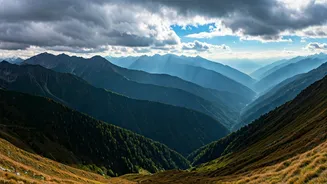
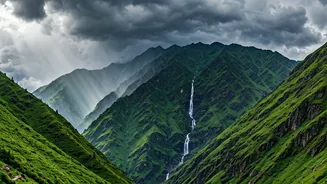
As temperatures in cities like Delhi flirt with unbearable highs, the mountains are offering a different story. [10] Destinations across Himachal Pradesh and Uttarakhand are enjoying pleasant weather, with pre-monsoon showers bringing down temperatures and creating
a refreshing atmosphere. [10] Tourists arriving from the plains have been vocal about their relief. One visitor in Shimla noted the stark contrast, highlighting the break from Delhi's heat, which was reportedly touching 50 degrees Celsius, and praising Shimla's cool breeze and clean air. [10] This sharp difference in climate is the primary driver behind a significant migration of vacationers from urban centres to the hills. [9]
The Great Escape to the Hills
Popular destinations like Shimla, Manali, Mussoorie, and Dharamshala are buzzing with activity. [6] Hotels are reporting high occupancy rates, with some estimates for Himachal Pradesh reaching 80-90% on weekends and 60-70% on weekdays. [13] The Himachal Pradesh Tourism Development Corporation (HPTDC) noted that occupancy in its hotels rose to 70% this year, up from 63% in the same period last year. [16] This rush is quantifiable; in June alone, Shimla saw an influx of about 3.8 lakh vehicles. [22] One hospitality chain, Zostel, reported a massive 76% year-on-year surge in bookings for Shimla in June, with destinations like Srinagar and Tirthan Valley seeing footfall grow by nearly 95%. [14, 15]
An Economic Blessing with Challenges
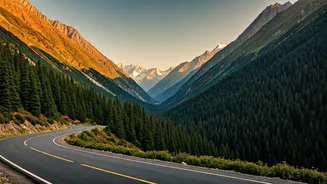
For local economies that are heavily dependent on tourism, this influx is a significant boon. [6] The surge is reviving businesses from hotels to restaurants and adventure activity providers. [9] After a potentially delayed start to the summer season, the momentum has picked up, bringing much-needed revenue. [16] However, the boom is not without its drawbacks. The massive tourist numbers have led to heavy traffic congestion on key routes, such as the Mandi-Kullu-Manali highway, forcing authorities to deploy additional personnel to manage the flow. [6] This has revived concerns about overcrowding and the strain on local infrastructure in popular towns like Shimla and Manali. [8]
Exploring Beyond the Beaten Path
While traditional favourites are getting most of the attention, the current trend also shows travellers are increasingly willing to explore lesser-known locations. Tourists are venturing into tribal districts like Lahaul and Spiti, and Kinnaur. [8] Data suggests that while Shimla remains a top choice, destinations such as Dobhi, Rajgundha, and Kareri have seen strong growth in footfall, driven by word-of-mouth and a desire for more unique experiences. [14] This shift indicates a growing interest in trekking and outdoor activities, with travellers seeking destinations that offer immediate access to nature-based adventures away from the largest crowds. [19]