


The Search for a Smarter Snack
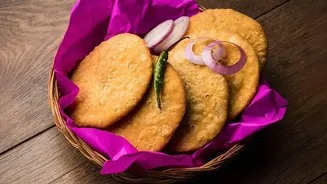
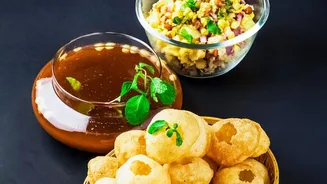
For generations, the rhythms of Indian life were punctuated by specific snacks: a flaky samosa with evening chai, a packet of biscuits dipped in morning tea, or a bowl of fried namkeen shared among colleagues. These were moments of comfort and connection.
Today, while those traditions endure, a parallel culture is rapidly emerging. In office drawers, gym bags, and kitchen pantries, a new category of snack has taken hold, one driven by a single, powerful buzzword: protein. The Indian protein-based product market is undergoing explosive growth, projected to expand from roughly INR 44,000 crores in 2025 to over INR 1,60,000 crores by 2034. This surge is not confined to bodybuilders; it's being driven by everyday people. A 2026 survey found that a staggering 86% of Indian consumers consider protein an important factor when choosing a snack. It seems the simple, carb-heavy snacks that once satisfied are no longer enough.
Driven by the Demands of Modern Life
So, what's behind this seismic shift? The primary driver is the reality of modern, urban Indian life. Long commutes, high-pressure jobs, and the erosion of leisurely, structured mealtimes have created a new need: convenience. Consumers are increasingly looking for foods that are portable, quick, and, most importantly, functional. They want a snack that doesn't just fill a momentary gap but provides sustained energy to power through a demanding afternoon. Protein, which digests more slowly than refined carbohydrates, offers exactly that, helping to maintain stable energy levels and prevent the all-too-familiar post-snack slump. Busy professionals and students simply don't have the time for elaborate preparation and are instead reaching for ready-to-eat options that align with their wellness goals.
A New Health Consciousness
This trend is also deeply connected to a broader evolution in health awareness across the country. Post-pandemic, there's a heightened focus on immunity, wellness, and proactive health management. For many, 'healthy eating' no longer just means avoiding fat or eating home-cooked food. It now involves a more nuanced understanding of macronutrients. Consumers are more label-literate than ever, actively seeking out products that offer tangible benefits. According to a recent market analysis, 69% of Indian consumers are actively trying to include more protein in their diet. This reflects a move away from passive eating towards intentional consumption, where food is seen as fuel for overall well-being, affecting everything from mood and stress to sleep quality.
The Indianisation of a Global Trend
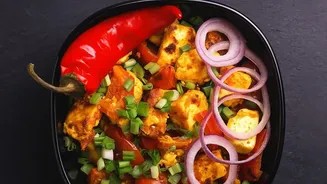
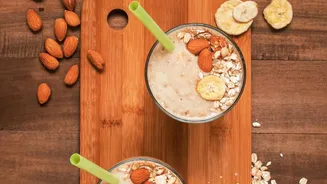
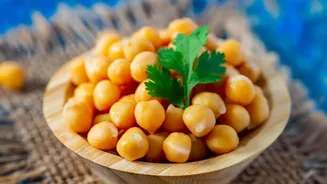
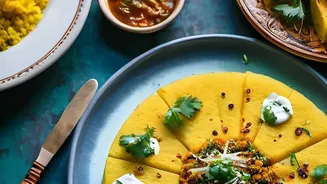
While protein bars and shakes might seem like a Western import, the trend in India is distinctly local. Brands are successfully 'Indianising' protein by incorporating familiar flavours and ingredients. We're seeing protein bars with masala or cardamom notes and products fortified with traditional powerhouses like millets (ragi, jowar), sattu (roasted gram flour), and pulses. In fact, this movement can be seen as a rediscovery of the nutritional wisdom already present in Indian cuisine. Traditional foods like roasted chana, moong dal chilla, paneer, and makhana are being rebranded and appreciated for their high protein content. This fusion of global wellness concepts with local ingredients makes the trend feel both aspirational and accessible, rather than a complete departure from cultural roots.