






The Big Picture: A Policy Overhaul
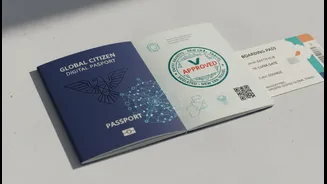
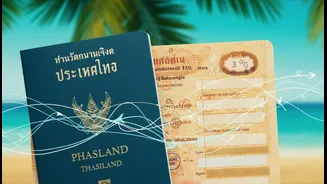
In a significant policy shift, the Thai government has revised its visa framework, aiming to streamline entry procedures and enhance national security. The temporary 60-day visa exemption, which was available to 93 nationalities, has been revoked. This
major change is part of a new “one country, one entitlement” policy, designed to eliminate overlapping visa privileges and prevent the misuse of tourist visas for illegal work or long-term stays. The new rules create a tiered system, sorting countries into different categories with specific stay durations. These changes are set to take effect 15 days after their official publication in the Royal Gazette.
For Indian Travellers: A Shift to 30-Day Visa-Free Entry
There's good news for Indian passport holders. After some initial confusion, the Thai cabinet has confirmed that India will be among 59 countries granted visa-free entry for up to 30 days. This decision reverses an earlier proposal that would have moved India back to the visa-on-arrival system. The government acknowledged that the uncertainty caused a decline in visitors from India, a key tourism market for Thailand. The new 30-day visa-free status for India is intended to align with the typical travel behaviour of Indian tourists, who stay for an average of about seven days per trip. This change simplifies entry by removing the previous Visa on Arrival (VoA) requirement and its associated fee.
Understanding the New Tiers
Under the revamped framework, entry privileges are now clearly defined. A total of 59 countries and territories, which includes all 27 EU member states, the UK, the US, Australia, and now India, will receive a 30-day visa exemption for tourism. A smaller group of countries, including Mauritius and Seychelles, will be granted a 15-day visa-free stay. The Visa on Arrival (VoA) category has been significantly reduced and will now apply to just three countries: Azerbaijan, Belarus, and Serbia.
Digital Entry: The Mandatory TDAC
While visa rules have shifted, one key simplification is the move to a fully digital entry process. The paper-based TM6 arrival/departure card has been permanently replaced by the Thailand Digital Arrival Card (TDAC). All foreign travellers, regardless of their visa status, must complete the TDAC online within 72 hours before arriving in Thailand. After submitting the form online, you will receive a QR code, which you may need to present to immigration officials. This system is intended to streamline processing times at the border and improve the monitoring of foreign nationals entering and exiting the country.
What You Need to Prepare
To ensure a smooth entry into Thailand under the new rules, preparation is key. Following the recent changes, the Embassy of India in Bangkok issued an advisory for travellers. All visitors should have a passport with at least six months of validity, a confirmed return ticket, and proof of accommodation for their stay. Immigration authorities also have the right to ask for proof of sufficient funds for your trip, which is often cited as the equivalent of 20,000 Thai Baht per person. Having all your documents, including your TDAC confirmation, ready can help prevent any delays at immigration.
For Longer Stays: The Destination Thailand Visa
For those looking to stay in Thailand longer than the visa-exempt period allows, such as digital nomads or remote workers, the government has introduced the Destination Thailand Visa (DTV). This long-term visa is valid for five years and allows multiple entries, with each stay lasting up to 180 days. It can even be extended once within Thailand for another 180 days. Applicants for the DTV must be at least 20 years old and provide proof of funds of at least 500,000 THB to support their stay. The DTV is designed for those who wish to work remotely for foreign companies while residing in Thailand, or participate in long-term cultural or educational activities like Muay Thai or cooking classes.