







The Gentle Power of Morning Sun
Not all sunlight is created equal. The morning sun, found in east-facing locations, is less intense and cooler than the harsh afternoon sun. This gentle light provides enough energy for your plants to kickstart photosynthesis, the process they use to create food,
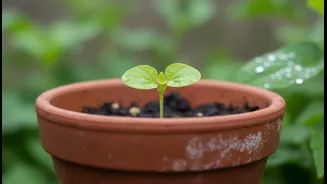
without the risk of scorching their delicate leaves. As temperatures are cooler in the morning, this exposure allows the plant to warm up gradually. This mild intensity is particularly beneficial for young seedlings and plants that are sensitive to high heat, which is a common challenge in many parts of India.
A Crucial Defence Against Fungal Disease
One of the most significant advantages of morning sun is its ability to quickly and gently dry moisture from plant surfaces. Overnight dew, lingering moisture from evening watering, or high humidity can leave leaves damp for extended periods. This moisture creates a perfect breeding ground for fungal diseases like powdery mildew and black spot. By exposing plants to early morning light, the leaves have a chance to dry out completely before the heat of the day, drastically reducing the risk of these common and often destructive fungal infections taking hold.
Preventing the Dreaded Root Rot
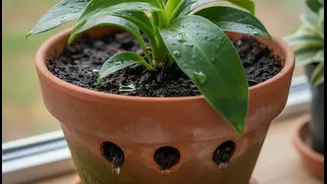
The benefits of drying surfaces extend below the leaves and onto the top layer of the soil. While root rot happens below the surface, the conditions on top are a key factor. When the topsoil remains soggy due to poor evaporation in a shaded, damp corner, it creates an environment that encourages root rot pathogens. Morning sun helps accelerate evaporation from the soil surface, allowing it to dry out appropriately between waterings. This not only discourages pests that are attracted to damp soil but also helps you better gauge when your plant truly needs more water, preventing the overwatering that is the primary cause of root rot.
The Harshness of Afternoon Sun
In contrast to the gentle morning rays, the afternoon sun (typically from 11 a.m. to 4 p.m.) is far more intense and carries more heat. For many plants, especially in the strong Indian climate, this can be more harmful than helpful. Afternoon sun can lead to leaf scorch, where leaves develop brown, dry patches. It also causes rapid water loss from both the plant and the soil, leading to wilting and heat stress, even if the plant is well-watered. While some heat-loving plants like succulents or certain vegetables can tolerate it, most common houseplants and flowering ornamentals will be much happier with a break from the intense midday heat.
Practical Placement in Your Home
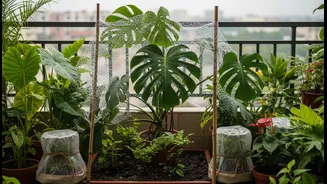
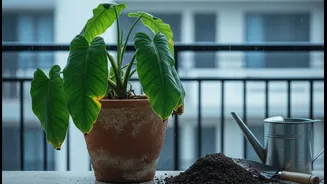
So, how do you apply this? It’s about observation. An east-facing balcony or window is the ideal location to capture that beneficial morning light. If you don't have an east-facing spot, try to find a location that receives direct sun in the morning but is protected by a larger structure, tree, or awning during the afternoon. For west-facing windows that get blasted by hot afternoon sun, consider using a sheer curtain to diffuse the light or placing the plants further from the window. The key is to provide a balance: enough light to dry surfaces and fuel growth, but not so much that it causes stress and damage.