







The Science Behind the Boost
The magic of beetroot lies in its high concentration of dietary nitrates (NO3-). When you consume beetroot, whether as a juice, powder, or the whole vegetable, a fascinating chain reaction begins. First, bacteria in your mouth convert these nitrates into
nitrites (NO2-). This nitrite is then absorbed into your bloodstream and, in areas of low oxygen like your hard-working muscles, is converted into nitric oxide (NO). This entire process is known as the nitrate-nitrite-nitric oxide pathway, and it provides your body with an alternative way to produce this crucial molecule, separate from the more common L-arginine pathway.
Nitric Oxide's Role in Performance
Nitric oxide is a powerful vasodilator, meaning it relaxes and widens your blood vessels. This widening effect is central to its performance-enhancing potential. By expanding blood vessels, nitric oxide can increase blood flow throughout the body, allowing for more efficient delivery of oxygen and nutrients to your muscles during exercise. At the same time, it helps shuttle away metabolic byproducts that contribute to fatigue. Some studies suggest that this improved efficiency means your muscles require less oxygen to perform the same amount of work, effectively lowering the energy cost of exercise. This can lead to improved endurance and a higher tolerance for intense activity.
What Are the Proven Benefits?
A growing body of research supports beetroot's reputation as a performance aid. Multiple studies have shown that nitrate supplementation can improve time-to-exhaustion in endurance activities like running, cycling, and rowing. This means athletes can sustain a higher intensity for longer before feeling fatigued. The benefits aren't just for endurance; some research also points to improved performance in high-intensity, short-duration activities by enhancing muscle contractility and power output. For recreational athletes in particular, the effects can be significant, with some studies noting improvements in sprint performance and overall power. These effects can be observed within a few hours of consumption, making it a viable pre-workout strategy.
Understanding Micro-Dosing
The term "micro-dosing" in this context refers to taking smaller, consistent amounts of beetroot nitrate rather than one large, pre-event dose. While a single serving of 70-140ml of concentrated juice taken about two hours before a workout has been shown to be effective, a micro-dosing strategy involves more regular, daily intake. This approach aims to keep plasma nitrate and nitrite levels consistently elevated, which may help maintain the physiological benefits over time, such as reduced resting blood pressure and sustained muscle efficiency. The idea is to create a more stable internal environment that is always primed for performance, rather than relying on a last-minute boost. This can be achieved by incorporating a small amount of beetroot juice or powder into your daily routine.
Practical Ways to Add Beetroot
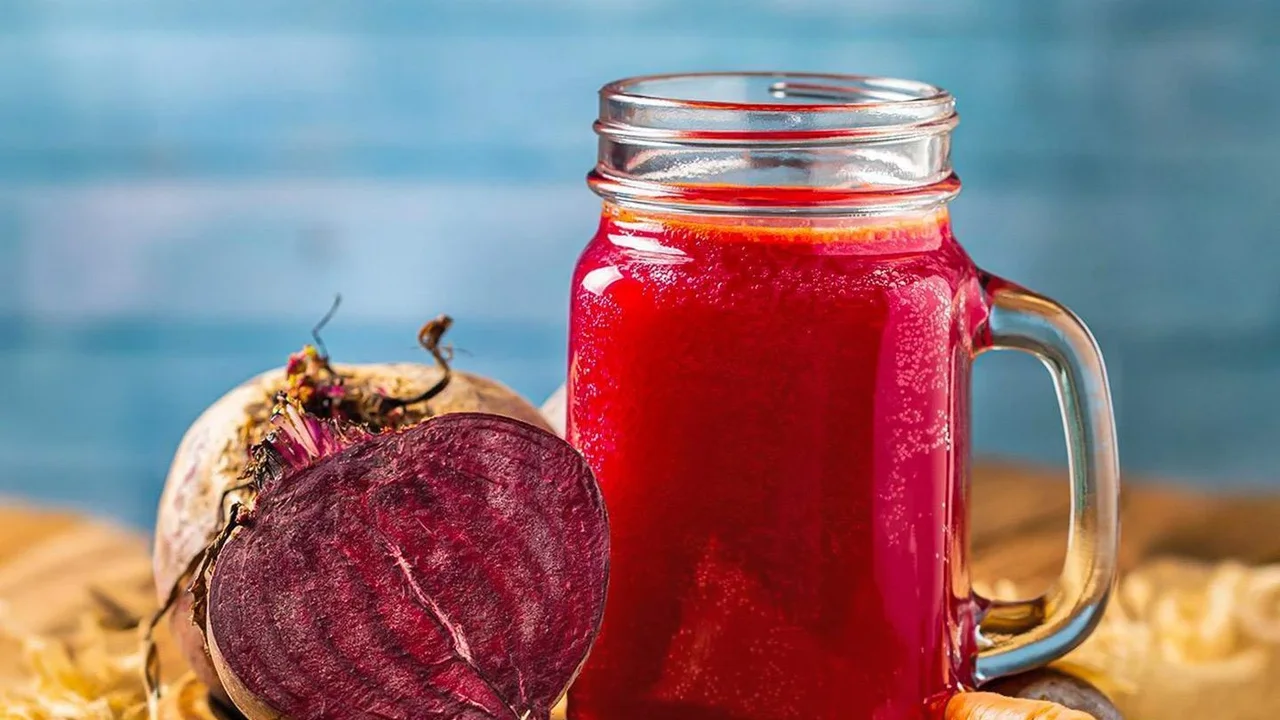
Incorporating beetroot into your diet is straightforward. Concentrated beetroot juice 'shots' are popular for their convenience and standardized nitrate content, typically providing the researched dose of 300-600 mg of nitrate in a 70ml serving. Standard beetroot juice is also effective, though you may need to drink a larger volume (around 500ml) to get the same nitrate dose. Beetroot powders offer a versatile, low-sugar alternative that can be mixed into smoothies or water. For those who prefer whole foods, eating cooked or raw beets is an option, but it is much harder to consume a performance-enhancing dose this way. To maximize the benefits, avoid using mouthwash close to consumption, as it can kill the oral bacteria needed to start the nitrate conversion process.
Safety and Potential Side Effects
For most healthy individuals, beetroot is safe. The most common side effect is beeturia, a harmless condition where urine and stools turn a reddish color. However, some people should exercise caution. Beets are high in oxalates, which can contribute to the formation of kidney stones in susceptible individuals. Because of its ability to lower blood pressure, those who already have low blood pressure (hypotension) or are taking medication for hypertension should consult a doctor before starting regular supplementation, as it could cause dizziness or fainting. While rare, consuming excessive amounts of nitrates can lead to potential health risks, so it is important to stick to recommended doses found in commercial products or discussed in studies.