






The Social Media Diet Minefield
Social media platforms are flooded with nutrition trends, from ketogenic and carnivore diets to detox teas and extreme fasting. While promoted by influencers with promises of rapid weight loss, these fads often lack scientific backing and can be harmful.
Many are overly restrictive, encouraging the elimination of entire food groups, which can lead to nutrient deficiencies and an unhealthy relationship with food. Research shows that much of the nutrition information online is inaccurate and can contribute to body dissatisfaction and disordered eating behaviours. The constant exposure to curated, unrealistic body images creates pressure to conform to standards that are often unhealthy and unsustainable.
What is a Fibre-First Approach?
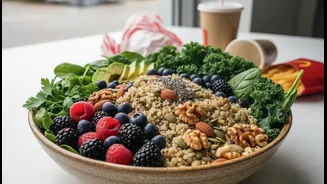
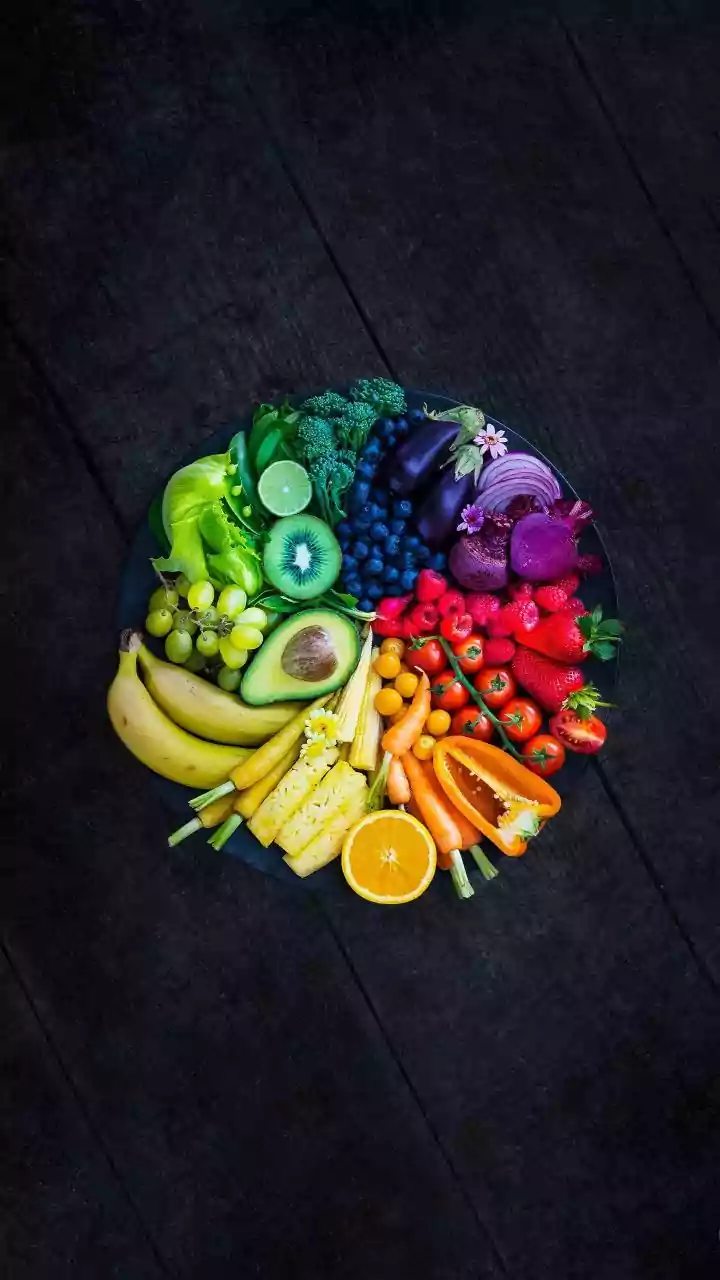
A fibre-first approach isn't a restrictive diet; it's a nutritional principle. It means prioritising fibre-rich foods like fruits, vegetables, whole grains, and legumes in your daily meals. The goal is to build your plate around these foods rather than focusing on what to cut out. This strategy moves away from the confusing and often contradictory rules of online fads and toward a focus on abundance and nourishment. By making fibre the foundation of your diet, you naturally support your body's functions without needing to count calories or ban your favourite foods.
The Science-Backed Benefits of Fibre
Dietary fibre, a type of carbohydrate the body can't digest, plays a crucial role in health. A high-fibre diet is linked to numerous benefits, including improved digestive regularity and a lower risk of chronic diseases like heart disease, type 2 diabetes, and certain cancers. Fibre helps you feel full for longer, which can aid in weight management. It also slows the absorption of sugar, helping to control blood sugar levels and prevent energy crashes. Furthermore, fibre acts as fuel for beneficial gut bacteria, supporting a healthy gut microbiome, which is linked to everything from a stronger immune system to better mental clarity.
How Much Fibre Do You Really Need?
While needs can vary based on age and activity, general recommendations for adults are around 25 to 35 grams of fibre per day. For women, the target is about 25 grams, while men should aim for around 38 grams. Unfortunately, most people consume only about half of the recommended amount, averaging just 15 to 17 grams daily. To meet your target, it’s important to get fibre from a variety of whole food sources rather than relying solely on supplements, as foods provide a wider range of essential vitamins and minerals.
Simple Swaps for a Fibre-Rich Diet
Increasing your fibre intake doesn't require a complete diet overhaul. Start by making small, gradual changes to allow your digestive system to adapt. Choose wholewheat or multigrain chapati and bread instead of white versions. Incorporate more dals, chickpeas, and beans into your curries and salads. Start your day with a high-fibre breakfast like oatmeal (porridge) or whole-grain cereals topped with fruit and seeds. For snacks, reach for a handful of nuts, fresh fruit, or vegetable sticks with hummus instead of processed options. Remember to eat the skin on fruits and vegetables like apples and potatoes whenever possible, as it contains a significant amount of fibre.
Putting It All Together: A Sample Day
So, what does a fibre-first day look like? For breakfast, you could have a bowl of porridge with sliced banana and a sprinkle of chia seeds. Lunch might be a hearty dal with brown rice and a side salad of cucumber and tomatoes. An afternoon snack could be an apple or a small handful of almonds. For dinner, you could enjoy a mixed vegetable curry with wholewheat rotis. This approach ensures you are getting fibre at every meal, helping you feel satisfied and energised throughout the day while easily meeting your daily intake goals.