






Why This Date Matters
The headline isn't just a suggestion; it points to a significant date in the Hindu calendar. July 25, 2026, marks Devshayani Ekadashi, the day that kicks off Chaturmas, a sacred four-month period of spiritual focus and observance. This period, which includes
the widely observed month of Shravan (or Sawan), is traditionally a time for introspection, prayer, and simplifying one's lifestyle—starting with the food on your plate. While many associate these practices with Shravan, which begins a few days later on July 30 in North India, the entire four-month window is guided by a principle of moderation.
The Wisdom of Eating Simply
This shift towards a simpler diet is not just about spiritual discipline; it's deeply connected to the rhythms of nature. The monsoon season is a time when the digestive system is believed to be less robust. Lighter, easily digestible foods place less strain on the body. It's also a time when water-borne illnesses are more prevalent, making freshly cooked, simple home food a safer and healthier option. Many people voluntarily give up non-vegetarian food, onions, garlic, and sometimes even certain grains and spices. The goal is to calm the body and mind, moving away from heavy (tamasic) and overly stimulating (rajasic) foods.
Embracing a Sattvic Diet
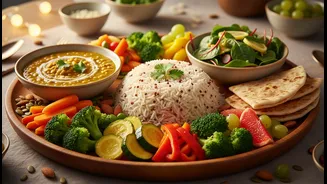
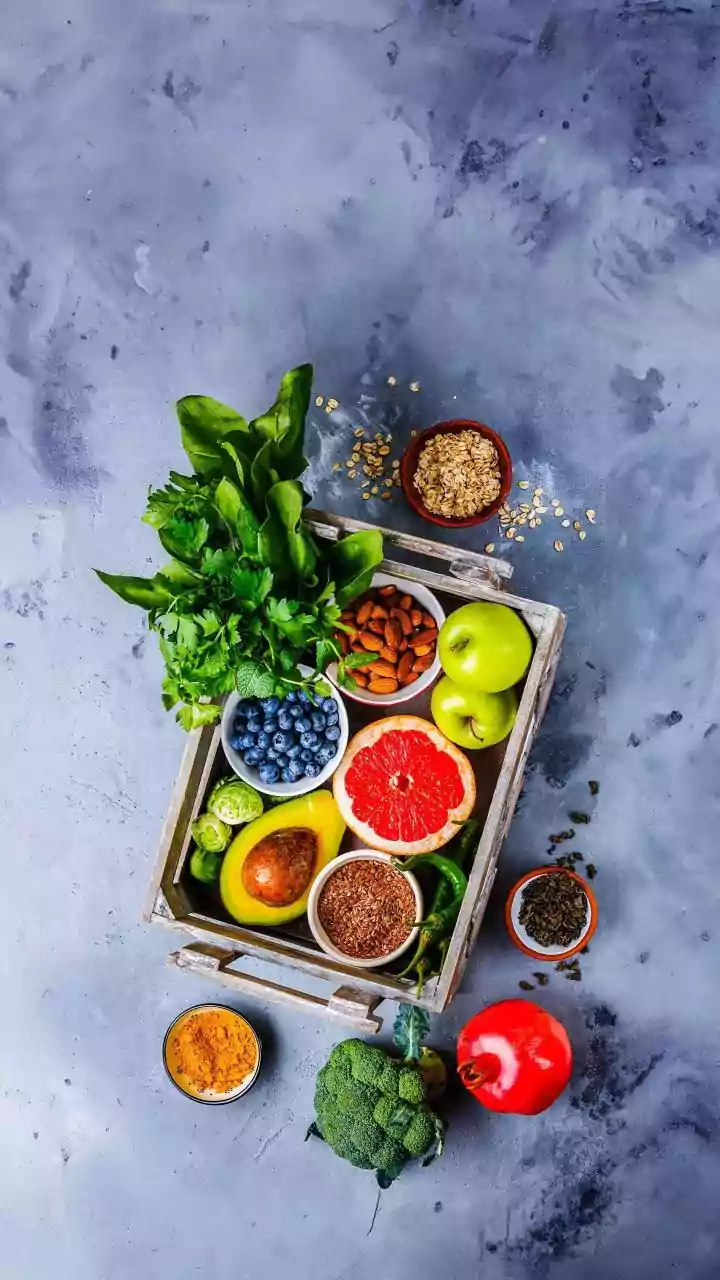
The style of eating encouraged during this season is often described as 'sattvic'. Rooted in Ayurveda, a sattvic diet prioritises foods that are pure, natural, and life-giving. Think fresh, seasonal, and lightly cooked. The philosophy categorises food into three 'gunas' or qualities: sattva (purity, harmony), rajas (passion, activity), and tamas (dullness, inertia). A sattvic diet promotes mental clarity and calmness. It typically consists of fresh fruits, most vegetables, whole grains, legumes, nuts, seeds, and dairy products like milk and ghee, all prepared with minimal processing.
What to Eat This Season
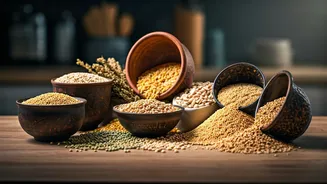
Adopting this simpler food philosophy is easier than it sounds. The focus is on whole, nourishing foods. Good choices for this season include a variety of fruits like bananas, apples, and pears. For fasting days, many people switch to specific flours like buckwheat (kuttu ka atta), amaranth (rajgira ka atta), and water chestnut (singhare ka atta). Vegetables like bottle gourd (lauki), potato, sweet potato, and taro root (arbi) are popular choices. Dairy products such as paneer, curd, and buttermilk are widely consumed, providing essential protein. Rock salt, or sendha namak, is used for seasoning instead of regular table salt.
Foods to Reduce or Avoid
During this period, many people traditionally avoid certain foods. Non-vegetarian items like meat, fish, and eggs are typically the first to be set aside. Onions and garlic are also avoided in many households as they are considered rajasic, meaning they are believed to overstimulate the body and mind. Some also avoid brinjal and leafy green vegetables, which are more prone to hosting insects during the heavy rains. Heavily processed, fried, and stale foods are also discouraged as they are considered tamasic and run counter to the goal of eating fresh and light.
Simple Meal and Snack Ideas
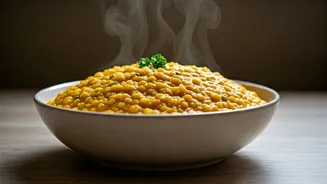
Bringing this into your daily routine can be delicious. For a light lunch, a simple lauki or potato curry cooked with sendha namak and cumin pairs perfectly with kuttu ki puri or roti. For a fulfilling snack, sabudana (tapioca) khichdi is a classic, as is a bowl of roasted makhana (fox nuts). Fruit chaat, sprinkled with rock salt and black pepper, is refreshing and hydrating. For those with a sweet tooth, a simple kheer made with samak rice (barnyard millet) or makhana offers a comforting end to a meal. These dishes are not only compliant with traditional norms but are also light, nutritious, and perfectly suited for the monsoon climate.