






The High-Stakes World of Bangs
A fringe can instantly redefine your look, frame your face, and project a new level of confidence. From chic and sophisticated to bold and edgy, the power of bangs is undeniable. However, they are also one of the highest-maintenance hair decisions you can make.
The commitment extends beyond daily styling and frequent trims; the real test of patience comes when you decide to grow them out. That awkward in-between stage, which can last for months, is where many hair resolutions crumble. The key to avoiding this frustration lies in the initial cut. The style of bang you choose determines the difficulty of the journey ahead, pitting the sharp, dramatic allure of a blunt fringe against the soft, forgiving nature of layered bangs.
The Challenge of Growing Out Blunt Bangs
A heavy, blunt-cut fringe is a statement. It's sharp, uniform, and creates a dramatic horizontal line across the forehead. While visually striking, this very structure is what makes it so challenging to grow out. As blunt bangs grow, they don't blend; they simply get longer, creating a solid curtain of hair that falls directly into your eyes. This leads to the infamous 'can't see' stage, where the fringe is too long to wear down but too short to tuck behind your ears. Hairstylists note that blunt bangs often require a trim every two to three weeks just to remain functional. When you stop trimming, the grow-out process can feel abrupt and unmanageable, as the heavy line has nowhere to go and can look out of place with the rest of your hair.
Why Layered Bangs Offer an Easier Transition
Layered bangs—often called wispy, curtain, or textured bangs—are cut with varying lengths and a much softer edge. This built-in texture is the secret to their graceful grow-out. Instead of a single, heavy line, layered bangs are designed to be piecey and light, allowing them to blend more seamlessly into the rest of your hair as they gain length. Styles like curtain bangs, which are shorter in the middle and longer on the sides, are specifically designed to be swept away from the face. As they grow, they naturally evolve into face-framing layers, making the transition feel intentional rather than like an awkward phase. This forgiving nature means you can go longer between trims, often six to eight weeks, and the growing process is far less noticeable.
Styling a Growing Fringe Like a Pro
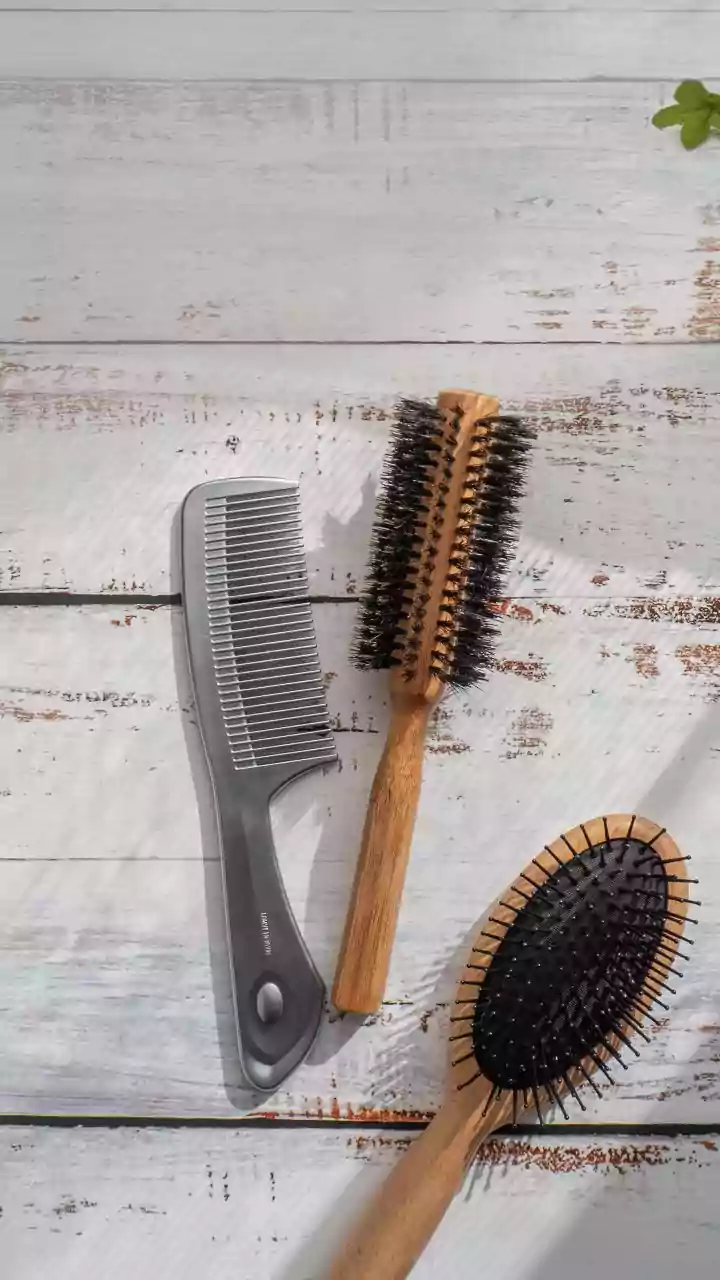
No matter which style you choose, having a few tricks up your sleeve can make all the difference. For blunt bangs, accessories are your best friend. Headbands, clips, and barrettes can stylishly keep hair out of your face. Once they have a little more length, training them into a deep side part with some styling cream can create an elegant side-swept look. Small braids or twists along the hairline are also a chic way to secure them. Layered bangs are much easier to manage. Often, a bit of texture spray is all that's needed to encourage them to blend. As they grow, you can use a round brush and a blow-dryer to sweep them to the sides, enhancing the curtain effect. Eventually, they become long enough to be treated just like any other face-framing layer, requiring minimal special attention.
When in Doubt, Consult Your Stylist
If you're in the midst of a difficult grow-out, you don't have to go it alone. A strategic trim can actually help the process. A stylist can add texture to a blunt fringe to soften the hard line, making it easier to style as it grows. They can also reshape growing bangs into a more manageable curtain or side-swept style. Asking for face-framing layers that connect your growing bangs to the rest of your hair is another popular and effective strategy. This technique makes the shorter pieces look like a deliberate part of a new, layered haircut, completely disguising the awkward transitional length.