







Ventilate, Ventilate, Ventilate
This is the single most effective and cheapest trick in the book. Trapped moisture is damp's best friend. Make it a daily habit to open your windows and doors for at least 15-30 minutes, even during the monsoon when it's not actively raining. This practice,
known as 'purging', creates cross-ventilation that pushes out the moist, stale air and pulls in fresher, drier air. Pay special attention to high-moisture zones like the kitchen and bathroom. Always use the exhaust fan when cooking or after a hot shower to immediately expel steam before it settles on your walls and ceilings. If you don't have an exhaust, opening a nearby window works just as well.
Harness Natural Dehumidifiers
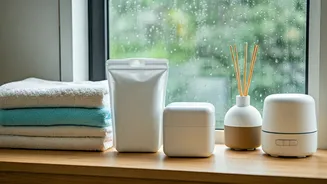
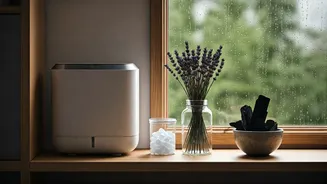
You don't need expensive gadgets to suck moisture out of the air. Your kitchen pantry holds some powerful, low-cost solutions. Rock salt is a fantastic natural dehumidifier. Place a large bowl of it in damp corners of a room or in musty cupboards. The salt will absorb moisture from the air, and you'll notice it becoming wet or even dissolving over time. Once saturated, you can simply dry it out in the sun and reuse it. Another great option is charcoal briquettes (the kind used for barbecues, but without any lighter fluid). Place a few in a breathable cloth bag and hang them in your wardrobe or leave them in shoe racks to combat dampness and odours effectively.
Let the Sunshine In
Never underestimate the power of sunlight. It is a natural disinfectant and a potent dehumidifier. On any day the sun makes an appearance, pull back your curtains and open your windows wide. Direct sunlight not only helps to dry out any residual dampness in the walls, floors, and furniture but also kills mould spores and bacteria. This is particularly important for rooms that don't get much natural light. Periodically take out rugs, cushions, and duvets to air them in the sun. This simple act keeps them fresh, dry, and free from the musty smell that is a hallmark of a damp home.
Mind the Gap
Give your walls room to breathe. When furniture, especially large pieces like sofas, almirahs, and beds, is pushed right up against a wall, it traps air. This stagnant pocket of air becomes a perfect breeding ground for mould and mildew, as moisture cannot evaporate. The solution is simple: pull your furniture a few inches away from the wall. This small gap allows for better air circulation around the entire room, preventing moisture build-up in hidden spots. It’s a zero-cost change that can make a significant difference, especially on external walls which tend to be cooler and more prone to condensation.
Become a Leak Detective
Often, a persistent damp problem isn't just due to general humidity but a specific, hidden leak. Become a detective in your own home. Regularly check for small signs of trouble. Look for water stains under sinks in the kitchen and bathroom, check around the base of your WC, and inspect the areas around window frames after heavy rain. Don't forget your air conditioner's drainage pipe—a clog can cause water to drip inside. Catching a small drip or a minor crack early and getting it sealed can save you from a massive damp problem and expensive repairs down the line. A quick monthly check is all it takes.
Use Your Air Conditioner Wisely
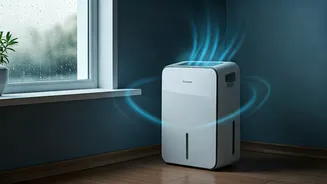
Your AC isn't just for cooling; it's also a powerful dehumidifier. Most modern air conditioners come with a 'Dry Mode', often indicated by a water drop symbol. When you switch to this mode, the unit runs the fan at a low speed and the compressor for shorter cycles. This process removes excess moisture from the air efficiently without making the room uncomfortably cold. It’s an ideal setting for those humid, rainy days when you don't need intense cooling but want to get rid of that sticky, clammy feeling indoors. Using this feature for an hour or two can drastically reduce indoor humidity levels and make your living space much more comfortable.