



An Uncontrolled Descent
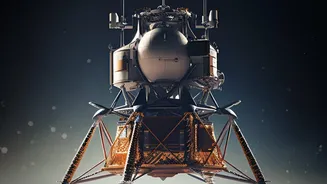
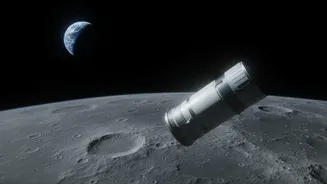
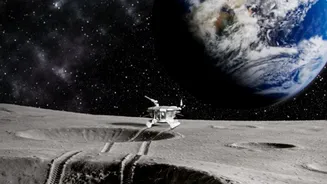
A spent rocket stage, likely from a commercial mission launched over a year ago, is on an unalterable collision course with the Moon. Independent astronomers first identified the object and calculated its trajectory, which has since been confirmed by
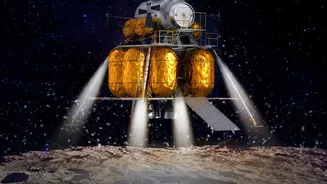
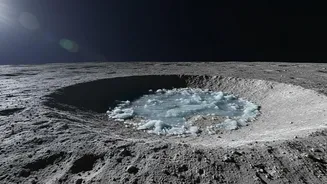
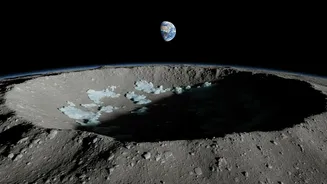
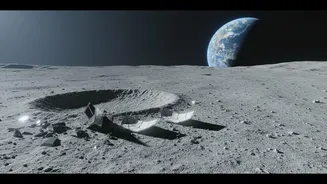
space agencies. The collision will be the second known accidental impact of a rocket booster on the lunar surface, following a similar event in 2022. That impact, attributed to a Chinese rocket body, unexpectedly created a double crater, highlighting how little we sometimes know about the objects we send into space. This time, the multi-tonne piece of hardware will slam into the surface, creating a new crater tens of metres wide and sending a plume of lunar dust high above the airless landscape.
The Challenge of Deep Space Awareness
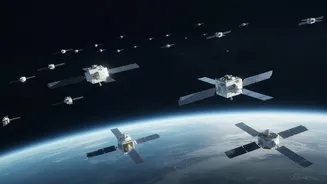
While military and civilian agencies maintain a detailed catalogue of objects in Low Earth Orbit (LEO), our vision gets hazy further out. The thousands of satellites providing everything from GPS to internet services are tracked closely to prevent collisions. But once a rocket stage completes its mission and pushes a payload towards the Moon or beyond, it becomes a ghost in the system. Tracking these objects in deep space is a fundamentally different challenge. They are small, dark, and far away, making them incredibly difficult for ground-based radar and optical telescopes to follow. Their paths are influenced by the complex gravitational pulls of the Earth, Moon, and Sun, making their orbits chaotic and hard to predict without dedicated, persistent observation. This lunar impact wasn't a planned event; it's the result of a long, slow orbital decay that no one was actively managing.
Why a Lunar Bruise Matters
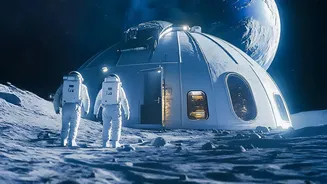
On its own, a new crater on the Moon's already pockmarked face is not a catastrophe. The Moon is hit by natural objects with similar energy on a regular basis. However, as humanity gears up for a return to the Moon with ambitious programs like Artemis, the stakes are changing. The goal is to establish a sustained human presence, including lunar bases and orbiting stations. In that context, having untracked, multi-tonne objects moving in chaotic orbits presents a tangible risk. While a collision with a future lunar habitat remains a remote possibility, this impact serves as a powerful wake-up call. It highlights a carelessness in how we treat the celestial bodies in our own cosmic backyard and underscores the need for better protocols.
The Case for a Coordinated System
This event makes a compelling case for expanding our Space Situational Awareness (SSA) capabilities beyond Earth's immediate vicinity. Currently, tracking deep space debris relies heavily on the ad-hoc efforts of independent astronomers and academic institutions. Experts argue that a more robust and intentional system is necessary. This includes investing in more powerful ground-based sensors and potentially new space-based observation platforms dedicated to this task. Furthermore, international policies and industry standards are needed for the responsible disposal of hardware used in lunar and other deep space missions. Instead of being left in unpredictable orbits, future rocket stages could be required to be placed on a direct path to a safe impact zone or moved into a stable, known "graveyard" orbit.
From Blind Spots to Future Clarity
Improving our tracking abilities is a technological, financial, and political challenge. Innovations in AI and machine learning are already being leveraged to enhance debris detection and predict trajectories more accurately. New sensor technologies like high-frequency radar and advanced laser systems are also being developed to spot smaller objects. However, the most critical step is international collaboration. Creating a shared, global catalogue of deep space objects, similar to the one that exists for LEO, would require data-sharing agreements between nations and commercial companies. This lunar impact, while scientifically interesting, is ultimately a piece of preventable pollution. It is a clear signal that as our activities in space expand, so too must our sense of responsibility.