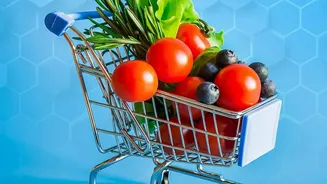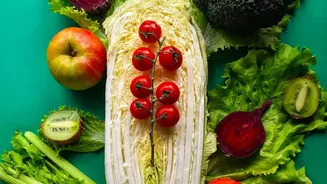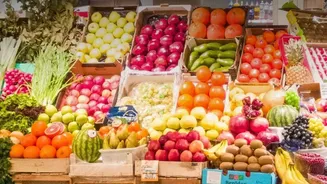



The 'Eat Me Now' Brigade (Use in 1–3 Days)
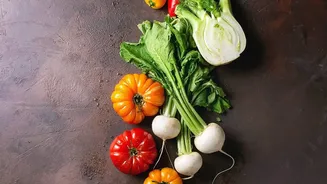
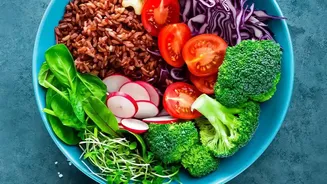
These are the most delicate vegetables that should be at the top of your meal plan right after a grocery run. Leafy greens like spinach, rocket, and lettuce have a very short lifespan and are prone to wilting and becoming slimy. Fresh herbs such as coriander
and mint also fall into this category. Mushrooms, which can either dry out or turn slimy, should be used quickly, along with vegetables with high water content like asparagus, fresh peas, and radishes. Planning a salad, a stir-fry, or a simple side dish with these items for the first couple of nights ensures you get them at their peak flavour and nutritional value.
The Mid-Week Workhorses (Use in 4–7 Days)
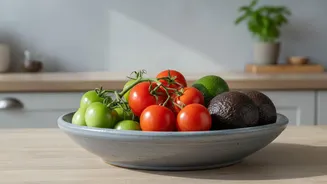
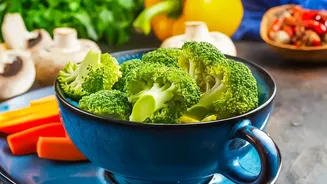
Once you’ve worked through the most perishable items, turn your attention to this slightly sturdier group. Vegetables like broccoli, cauliflower, bell peppers, green beans, and cucumbers can comfortably last until the middle of the week if stored correctly. Tomatoes, especially when ripe, should also be used within this timeframe. These vegetables are versatile and can form the backbone of many meals, from curries and sabzis to pastas and roasted vegetable medleys. Using them in the middle of your weekly cycle bridges the gap between the ultra-fresh and the long-lasting produce.
Flexible Friends (Last for a Week or More)
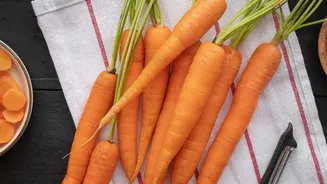
This group gives you more breathing room in your meal planning. Sturdier items like cabbage, carrots, and celery can last for a week or even longer when stored properly in the refrigerator. Brussels sprouts and kale also have a better shelf life than their more delicate leafy green cousins. These are great to have on hand for the latter part of the week when your more perishable options have been used up. A simple cabbage stir-fry or a hearty soup with carrots and celery can be a perfect end-of-the-week meal.
Pantry Champions (Last for Weeks to Months)
The true heroes of a well-stocked kitchen are the vegetables that last for an extended period, often without refrigeration. Root vegetables are the stars here: potatoes, sweet potatoes, onions, and garlic form the foundation of countless dishes and can last for several weeks, or even months, when kept in a cool, dark, and dry place. Hardy winter squashes like pumpkin and butternut squash also fall into this long-lasting category. These items don't demand immediate attention, providing a reliable backup for any meal, any time.
Smart Storage to Extend Freshness
How you store your vegetables is just as important as the order in which you use them. A few simple tricks can make a huge difference. Keep leafy greens dry by storing them with a paper towel in the bag or container to absorb excess moisture. Don't wash produce until you're ready to use it, as moisture encourages spoilage. Be mindful of ethylene gas, which is released by fruits like apples and bananas and can cause other produce, such as carrots and lettuce, to ripen and spoil faster. Store ethylene-producing fruits separately from sensitive vegetables. For root vegetables like potatoes and onions, avoid the refrigerator and instead opt for a well-ventilated spot in your pantry.