



A Sip of History
Long before kombucha entered the urban dictionary, kitchens across India, particularly in the east and northeast, were mastering the art of fermentation. Drinks like Handia in Jharkhand and Odisha, Chhaang in the Himalayan regions, and Zutho in Nagaland
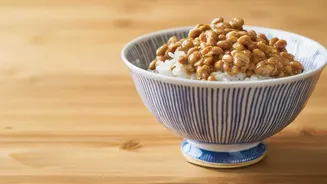
are centuries-old traditions. These beverages are typically made by fermenting cooked rice, which creates a slightly sour, sometimes fizzy, and often low-alcohol drink that was traditionally consumed by farmers and communities for energy and refreshment. Known by many names such as Panta Bhat, Poita Bhat, and Pazham Kanji, these rice-based concoctions were a practical way to use leftover rice while creating a nutritious meal, especially during hot summers.
The Modern Wellness Wave
So why are these age-old drinks suddenly appearing on city menus and in health-conscious conversations? The answer lies in the global wellness trend that has made 'gut health' a household term. As urban Indians become more intentional about what they consume, there's a growing demand for natural, probiotic-rich foods that go beyond a simple bowl of dahi. This has created the perfect environment for a revival of traditional fermented foods. These drinks are seen as a homegrown alternative to expensive, imported wellness products, offering a story and a sense of cultural connection that modern superfoods often lack.
Decoding the Gut Health Claims
The health buzz around these drinks is rooted in the process of fermentation. This natural process allows beneficial bacteria, primarily Lactic acid bacteria, to flourish. These are the same kinds of 'good bacteria' or probiotics found in yogurt and other popular health foods. They help maintain a healthy gut microbiome, which is crucial for digestion, nutrient absorption, and even immunity. Studies have shown that fermentation can increase the bioavailability of minerals like iron and calcium in rice, making them easier for the body to absorb. However, nutritionists advise a balanced view. The exact probiotic content can vary widely in traditional preparations, and while beneficial, these drinks are not a magic cure. They are best seen as a healthy component of a diverse diet.
From Village Kitchens to Urban Cafes
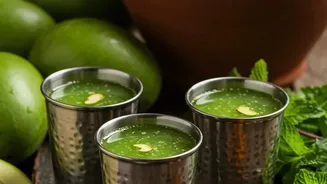
This resurgence isn't just happening in homes; it's a commercial trend. Cafes and health-focused restaurants in Mumbai, Delhi, and Bengaluru are beginning to experiment with these traditional recipes. They are being reimagined for a modern palate, often as non-alcoholic 'wellness coolers', 'gut shots', or flavoured beverages. Chefs are incorporating them into menus that celebrate heritage ingredients, presenting them in a way that feels both new and nostalgic. This shift is part of a larger movement towards functional beverages, where consumers are looking for drinks that offer health benefits beyond simple hydration.
An Acquired, Worthwhile Taste
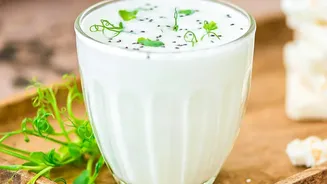
For those who haven't grown up with them, the taste of a fermented rice drink can be an adjustment. The flavour profile is typically tangy and slightly sweet, with a distinct funky undertone from the fermentation. Some have a cloudy appearance and a smooth, thin consistency, while others might retain the texture of soft rice grains. Traditionally served plain or with a pinch of salt, urban versions are sometimes flavoured with herbs or spices to make them more approachable. Whether you try a traditional recipe or a modern interpretation, it offers a unique taste of India’s rich culinary history.