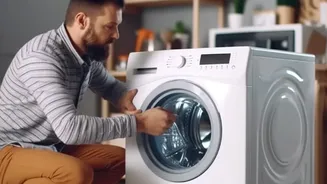










The thrill of a bargain is universal, but the cheapest option can quietly become the most expensive. Focusing only on the initial price tag is a common trap that can lead to a cycle of unexpected expenses and frequent replacements.
Beyond the Price Tag
When we shop, the most
visible number is the purchase price. But a product's true cost, often called the Total Cost of Ownership (TCO), includes everything you'll spend over its entire lifespan. This includes the initial price plus all running costs, such as energy consumption, maintenance, repairs, consumables like ink or filters, and even disposal fees. A cheap printer that requires expensive ink cartridges or an inefficient air conditioner that drives up your electricity bill are classic examples. Ignoring these ongoing expenses means you're only seeing a fraction of the real cost.
The Hidden World of Running Costs
So, what are these running costs? They vary by product but often fall into a few key categories. Energy consumption is a major one for electronics and appliances; a more expensive but energy-efficient model can save you a significant amount on utility bills over the years. Consumables are another factor—think of coffee pods, water filters, or specific cleaning solutions. Maintenance and repair costs are also crucial. A product with a longer warranty or a reputation for reliability might cost more upfront but save you from expensive repair bills down the line. Finally, for software and digital services, subscriptions and in-app purchases are the primary running cost.
A Tale of Two Light Bulbs
Let's consider a simple example: light bulbs. An old-fashioned incandescent bulb is very cheap to buy, perhaps only a dollar. An LED bulb might cost significantly more upfront. However, the LED bulb uses far less energy and can last up to 30 times longer. Over the life of a single LED, you might have bought dozens of incandescent bulbs and paid substantially more in electricity costs. The U.S. Department of Energy estimates an average household saves around $225 per year just by switching to LED lighting. This simple comparison shows how the item with the higher purchase price can easily be the cheaper option in the long run.
How to Calculate the True Cost
You don't need to be a financial expert to estimate the total cost. A basic formula can give you a much clearer picture. For an appliance, start by finding its wattage, which is usually on a label on the device or in the manual. Then, estimate how many hours a day you'll use it. You can calculate the annual energy cost with a simple formula: (Wattage × Hours of Daily Use × 365) ÷ 1000 × Your Electricity Rate. Add this annual running cost (multiplied by the number of years you expect to own the item) to the initial purchase price. Comparing this final number for different models will reveal the most cost-effective choice, not just the cheapest one today.
When Buying Cheap Makes Sense
This doesn't mean the most expensive option is always the best. There are situations where buying cheap is the smart move. If you'll only use an item for a short period, like for a temporary hobby or a one-off event, there's little reason to invest in a durable, long-lasting version. Likewise, if your needs are likely to change soon, it can be better to go with a cheaper option and save for a better one later, once you know exactly what you need. The key is to be intentional. Sometimes, buying cheap is the only realistic choice, and that's perfectly fine. The goal is to avoid the trap of thinking a low price automatically equals good value.