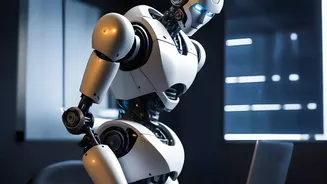







The Rise of the AI Ghostwriter
In the competitive Indian job market, making a perfect first impression is everything. For many candidates, that pressure begins with the first email sent to a recruiter. The fear of a typo or an awkward phrase has led job seekers to embrace AI writing
assistants as a secret weapon. These tools, like ChatGPT, Grammarly, and others, promise to transform rough drafts into polished, professional correspondence in seconds. This trend is driven by a desire to save time, overcome writer's block, and ensure communications are grammatically perfect and tonally appropriate. For job seekers who may not be native English speakers or those who simply lack confidence in their writing, these tools act as a great equaliser, helping them articulate their qualifications with clarity and professionalism.
The Promise of Flawless Professionalism
The benefits of using AI are clear. These tools can suggest powerful vocabulary, structure sentences for better impact, and ensure a consistent, professional tone. Many companies now use Applicant Tracking Systems (ATS) to screen resumes, and AI can help candidates tailor their applications with the right keywords to pass this initial digital filter. One study found that three in four job seekers who used AI assistance received an interview invitation, suggesting that a well-polished application can significantly boost a candidate's chances. Beyond just grammar, AI can help compose everything from the initial outreach message and cover letter to the post-interview thank-you note, reducing the anxiety and time spent on these critical tasks.
The Peril of the Personal Touch
However, over-reliance on AI carries significant risks. The biggest complaint from hiring managers is the flood of generic, impersonal, and robotic-sounding applications. In one recent study, 80% of hiring managers expressed a dislike for AI-generated CVs and cover letters, with many saying they would be less likely to hire someone who used them. Recruiters are becoming adept at spotting the tell-tale signs of AI, such as repetitive phrasing and a lack of specific, personal examples. When every application sounds the same, it becomes impossible for a candidate's unique personality and genuine interest to shine through, which is often what secures a job. Some recruiters view the use of AI as a red flag indicating laziness or poor communication skills.
A Recruiter’s Reality Check
The perspective from the other side of the hiring desk is complex. While some recruiters will outright reject an application they believe is AI-generated, others see it as a sign of resourcefulness. The consensus seems to be that the problem isn't using AI, but how it's used. A majority of hiring managers find it acceptable to use AI for proofreading or as a drafting assistant, but they expect the final product to be in the candidate's own words. The goal for a job seeker should be to enhance their application, not to have AI write it for them. In fact, 77% of hiring managers are more likely to interview a candidate who used AI thoughtfully to improve their resume. The key is to avoid letting the tool erase your authentic voice.
Using AI as a Partner, Not a Replacement
To leverage AI effectively, treat it as a brainstorming partner and an advanced proofreader, not a ghostwriter. Start by writing the email or cover letter yourself, infusing it with your personality, specific achievements, and genuine enthusiasm for the role. Then, use AI tools to refine your draft. Ask it to check for grammar and spelling, suggest stronger verbs, or rephrase a sentence for clarity. Always review and heavily edit the AI's suggestions to ensure the final version sounds like you. This hybrid approach allows you to maintain authenticity while still benefiting from the tool's ability to polish your writing. The goal is to let your best self shine through, with a little help from technology to ensure you do so professionally.