







Start with a Pre-Monsoon Inspection
Prevention is always better than cure. Before the first heavy rains, thoroughly inspect your home for potential problem areas. Look for hairline cracks in exterior walls, especially around window and door frames, as these are common entry points for rainwater.
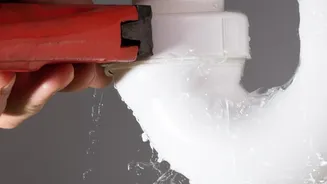
Check your roof or terrace for any signs of wear, damaged waterproofing, or cracks. Make sure to also check that all drain pipes and gutters on your roof, balconies, and around the house are clear of debris. Blocked drains are a primary cause of waterlogging and seepage into the walls and foundation. Fixing these small issues before the monsoon can save you from costly repairs later.
Improve Air Circulation and Ventilation
Stagnant, humid air is the main culprit behind that musty monsoon smell and mould growth. Improving cross-ventilation is one of the most effective ways to combat this. Open windows and doors on opposite sides of a room for a period each day, especially during drier hours, to allow fresh air to circulate and flush out excess humidity. Using exhaust fans in kitchens while cooking and in bathrooms after a shower is crucial to vent steam and moisture outside immediately. Even running a ceiling fan on a low speed can help keep air moving, making it harder for dampness to settle on walls and surfaces.
Use Natural and Electric Dehumidifiers
Actively removing moisture from the air can make a huge difference. While electric dehumidifiers are highly effective, especially in very damp areas, there are several natural alternatives. Placing bowls of coarse salt or activated charcoal in corners of rooms, inside wardrobes, and in cabinets can help absorb ambient moisture. These are inexpensive and work well in enclosed spaces. Silica gel packets, often found in new shoe boxes or bags, are also excellent moisture absorbers and can be placed in drawers or near expensive electronics to protect them. For a greener touch, certain indoor plants like Peace Lilies and Snake Plants can also help regulate humidity levels.
Protect Your Furniture and Walls
Wooden furniture is particularly vulnerable during the monsoon, as it can swell, warp, or develop mould. Keep wooden furniture a few inches away from walls, especially external ones, to allow air to circulate behind them. Avoid cleaning furniture with a wet cloth; opt for a dry duster instead. Applying a coat of wax or varnish before the season begins can create a protective barrier. For walls that are prone to dampness, consider using moisture-resistant paint or a waterproof coating. If you notice any damp patches, address them immediately to prevent paint from bubbling and peeling.
Manage Wardrobes and Linens
Clothes and linens can quickly develop a musty smell and even mildew in damp wardrobes. Ensure clothes are completely dry before storing them. To protect them, place moisture absorbers like camphor, naphthalene balls, or bags of silica gel inside your closets. Leaving wardrobe doors slightly ajar for a few hours a day can also help air them out. It's also a good idea to pack away heavy carpets and rugs during the monsoon, as they absorb and retain a lot of moisture, making the room feel damper and taking a long time to dry if they get wet.
Prevent Mould and Mildew Growth
Mould is not just unsightly; its spores can cause allergies and respiratory issues. Keeping surfaces dry and clean is the best way to prevent its growth. Regularly wipe down damp-prone areas like bathroom tiles, window sills, and kitchen counters. If you spot small mould patches, you can treat them with a solution of white vinegar and water. A spray made from boiling neem leaves in water is also a powerful natural antifungal that can be used on walls. By addressing mould as soon as it appears, you can stop it from spreading and becoming a bigger problem.