



The Great Indian Palate Shift
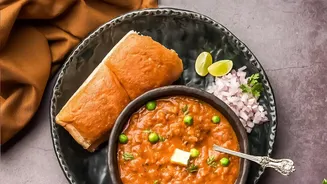
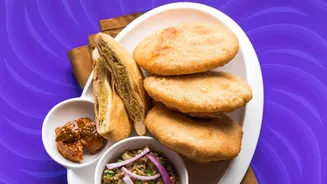
For decades, the Indian restaurant scene operated on a familiar formula. The menu was often a comforting but limited selection of dishes like butter chicken, paneer tikka masala, and perhaps a few Indo-Chinese staples. While these classics remain beloved,
they no longer define the entire dining experience. A clear shift is underway, driven by younger, more adventurous consumers. This new generation of diners, armed with global exposure from travel and social media, is actively seeking out a wider spectrum of flavors. This curiosity is pushing restaurants to innovate and diversify, leading to one of the most exciting periods in India's culinary history.
A Rediscovery of Regional Roots
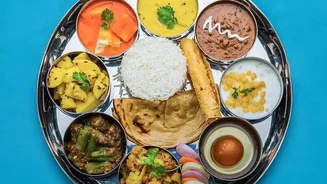
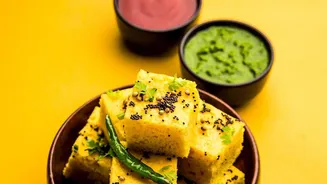
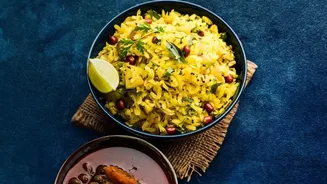
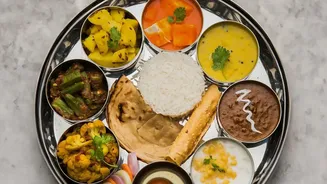
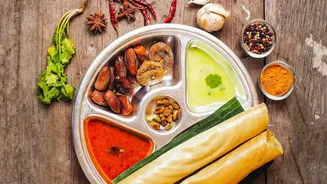
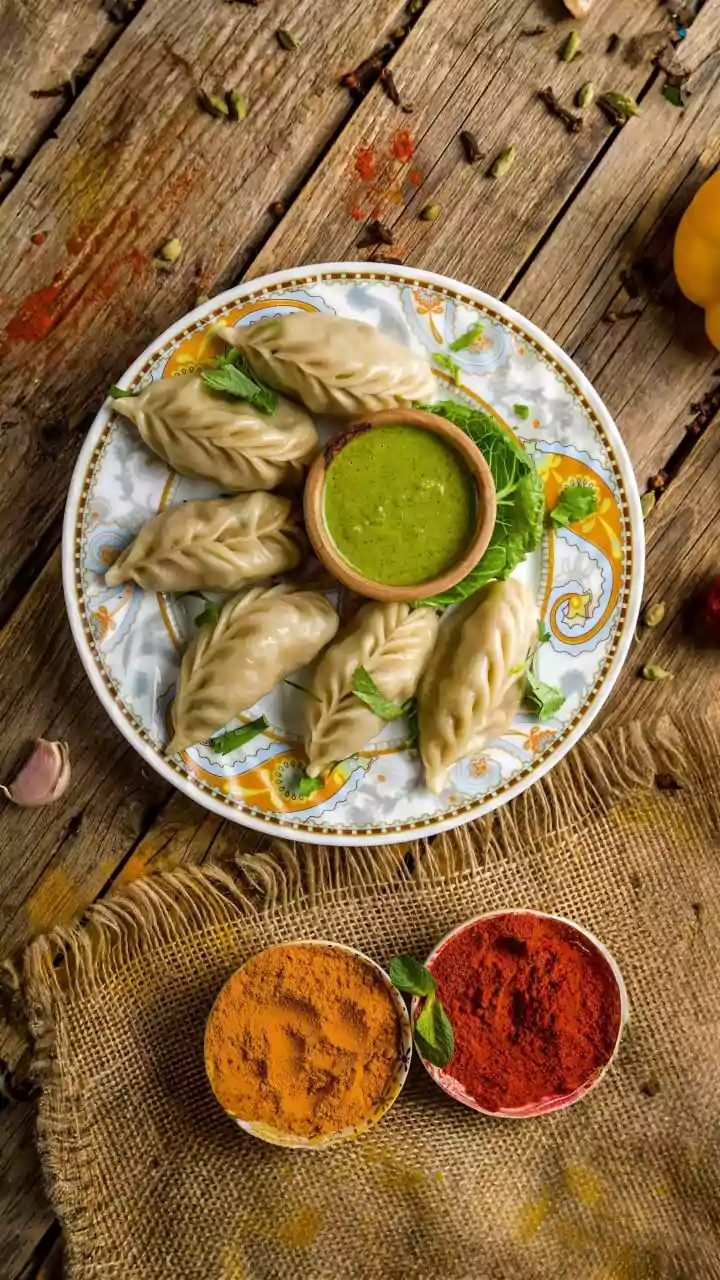
One of the most significant trends is the growing appreciation for India's own vast and varied culinary heritage. Diners are looking beyond the mainstream to explore hyper-regional cuisines that were once confined to home kitchens. Restaurants specializing in the distinct flavors of states like Kerala, Goa, and Nagaland are gaining traction, offering vegetable-forward dishes and unique spice blends. This movement is championed by a new wave of chefs dedicated to celebrating overlooked ingredients and traditional cooking methods. The result is a fine-dining scene that is increasingly rooted in local terroir and storytelling, moving away from generic menus to offer authentic, region-specific experiences.
A Passport on a Plate
Alongside the domestic culinary revival, there is an exploding appetite for international food that goes far beyond the once-exotic pizza and pasta. Korean cuisine, in particular, has seen a meteoric rise, heavily influenced by the popularity of K-dramas and K-pop. Food delivery platforms have reported a massive surge in orders for dishes like bibimbap and Korean fried chicken, with Gen Z driving much of this demand. This interest isn't just limited to major metros; tier-2 and tier-3 cities are also showing a growing hunger for global tastes. Japanese cuisine, with its focus on refined flavors and fresh ingredients, is also becoming increasingly popular, with sushi and ramen bars now a common sight in urban centers.
What's Fueling the Hunger for Novelty?
Several factors are converging to fuel this culinary expansion. Globalization and increased travel have exposed Indians to a world of flavors, creating a desire for those experiences back home. Social media plays a crucial role; platforms like Instagram have made diners more visually aware and curious about unfamiliar dishes from around the corner and around the globe. Furthermore, a younger demographic with higher disposable incomes and a preference for experiences over possessions is more willing to experiment. This shift is also supported by the rise of food delivery platforms, which make exploring new cuisines as easy as a few taps on a smartphone.