
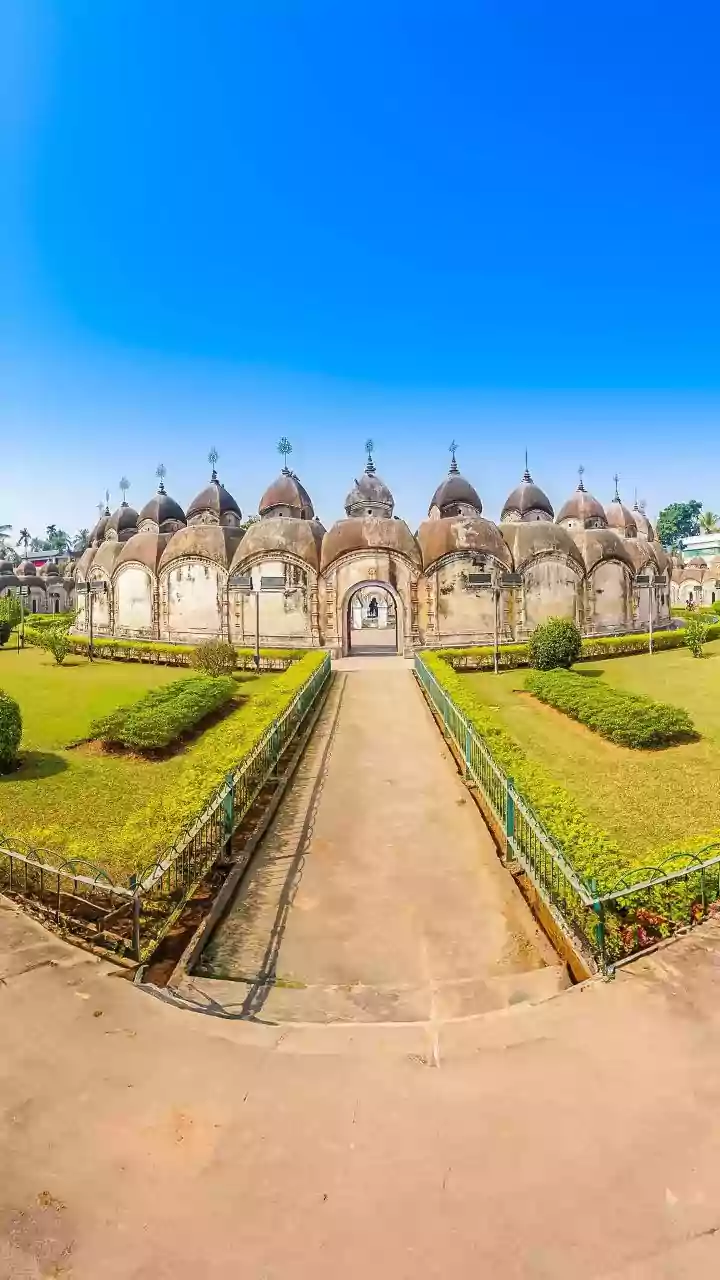




From Crisis Response to Lifestyle Choice
The first wave of workations was a reaction. As offices shut down, many Indians fled cramped city apartments for the open spaces of Goa, Himachal, or their hometowns. It was a makeshift solution driven by necessity. Today, Workation 2.0 is a proactive
choice. With many companies, especially in the tech and creative sectors, formalising hybrid and remote work policies, employees are no longer just escaping—they are planning. A 2026 survey found that a third of Indian travellers now prefer working from a place surrounded by nature, signalling a fundamental shift in mindset. It’s a move from a temporary escape to a sustainable lifestyle blend.
What Makes Workation 2.0 Different?
Unlike the spontaneous trips of the past, this new phase is defined by longer, more deliberate stays. Professionals are not just looking for a pretty backdrop for their Zoom calls; they are seeking to integrate into the local environment. This means spending weeks or even months in one place, exploring the culture, and establishing a routine that balances productivity with genuine leisure. The focus has shifted from a frantic holiday-work juggle to a calmer, more structured rhythm. It’s about finishing a day’s work and then enjoying a sunset walk on the beach, a trek in the hills, or exploring a local market—not as a tourist, but as a temporary resident.
The Rise of a Supporting Ecosystem
This maturing trend is supported by a burgeoning infrastructure. Beyond just a good Wi-Fi connection, a key non-negotiable, a whole ecosystem is emerging. Homestays and hotels now offer long-stay packages with dedicated workstations and power backups. Cafes in destinations like Manali, Rishikesh, and South Goa have transformed into unofficial co-working hubs. In 2025, Sikkim even launched India's first "digital nomad village" in Yakten to specifically cater to this crowd. This infrastructure makes it easier for professionals to be productive without sacrificing the benefits of being in a new environment.
New Pins on the Workation Map
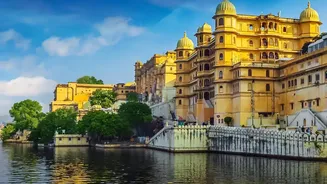
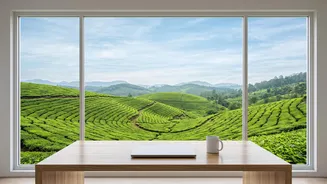
While Goa and Manali remain popular, the workation map is expanding. Professionals are exploring quieter, offbeat destinations that offer both connectivity and tranquillity. The serene coffee plantations of Coorg and Chikmagalur in Karnataka, the tranquil French quarters of Pondicherry, the lakeside city of Udaipur, and the tea gardens of Munnar are becoming hotspots. These locations provide a much-needed escape from urban burnout, offering cleaner air and a slower pace of life, which many find conducive to deep work and mental well-being.
It’s Not a Permanent Holiday
Despite its appeal, the workation lifestyle comes with challenges. The biggest hurdle is maintaining a healthy work-life boundary when your office is a beach shack or a mountain cabin. The temptation to explore can easily lead to working late hours to compensate, risking burnout. Other logistical issues include dealing with inconsistent internet in more remote areas, managing time zone differences with colleagues, and potential feelings of isolation away from friends and family. A successful workation requires discipline, a structured routine, and clear communication with one's team and manager.