




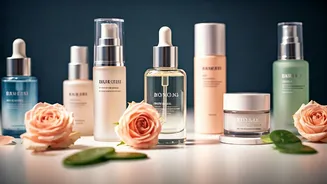


Beyond Soap and Moisturiser
For decades, the beauty market in non-metro India was defined by simplicity and loyalty to legacy brands. A bar of soap, a cold cream, and perhaps some talcum powder formed the core of a typical vanity. High-performance products with active ingredients
like retinol, niacinamide, or hyaluronic acid were seen as luxuries reserved for urban elites. This perception is now being dismantled. A new wave of consumers from Tier-2 and Tier-3 cities—think Lucknow, Jaipur, Indore, and beyond—are not just aware of these ingredients; they are actively seeking them out. This isn't just about catching up; it's about a fundamental shift in aspiration, knowledge, and access that is reshaping India's entire beauty landscape.
The Digital Democratisation of Beauty
The single biggest catalyst for this change is the smartphone. With affordable data plans and widespread internet penetration, the digital divide between metro and non-metro India has narrowed significantly. E-commerce platforms like Nykaa, Purplle, Myntra, and Amazon have become the great equalisers, bringing a world of brands to doorsteps in cities that lack large-format beauty retailers. Previously, a consumer in a smaller town had to rely on the limited selection at the local chemist or general store. Today, they can browse thousands of products, read reviews, compare prices, and order a serum with 10% niacinamide with a few taps. This unfettered access has removed the most significant barrier to entry: availability.
From Influencers to 'Skin-tellectuals'
Alongside e-commerce, social media has become a powerful engine of education and aspiration. Beauty influencers, dermatologists, and chemists on platforms like Instagram and YouTube have cultivated a new generation of 'skin-tellectuals'. They demystify complex ingredients, explain the science behind formulations, and teach their followers how to build a skincare routine. This content, often in regional languages, resonates deeply with an audience eager for credible information. Viewers are no longer just buying a product; they are buying into a solution backed by knowledge. They understand what vitamin C does for pigmentation or how salicylic acid helps with acne, transforming them from passive consumers into informed buyers who demand transparency and efficacy.
The Rise of D2C Disruptors
This newly educated and digitally-savvy consumer base created a perfect opening for a new breed of Direct-to-Consumer (D2C) brands. Companies like Minimalist, The Derma Co., and Plum have built their entire business model on ingredient transparency, accessible pricing, and a digital-first approach. They speak the language of actives, putting percentages and scientific names front and centre on their packaging. By cutting out traditional distribution middlemen and marketing heavily online, they can offer high-performance formulations at a fraction of the cost of their international counterparts. Their success proves that consumers in non-metro markets are not necessarily price-sensitive, but value-conscious. They are willing to pay for quality, provided the brand can prove its worth.
Aspirations and Disposable Income
Underpinning this entire trend is a story of economic growth and rising aspirations. Increased disposable incomes in non-metro areas have given consumers more financial freedom to spend on discretionary categories like wellness and self-care. Skincare is no longer viewed as a mere cosmetic indulgence but as a long-term investment in personal well-being and confidence. For many, adopting a sophisticated skincare routine is a way of participating in a global conversation, a marker of modernity and self-improvement. This desire to look and feel good, combined with the financial means to do so, has created a powerful and sustainable market for high-end skincare far beyond the traditional metro centres.