




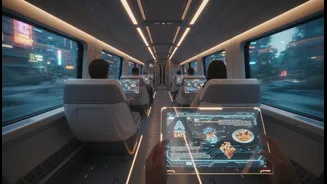


The Tech That Powers Your Meal
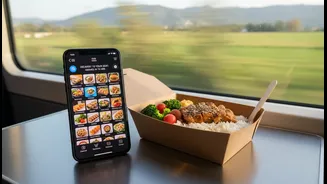
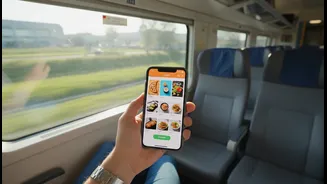
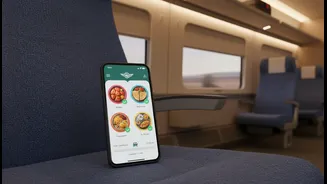
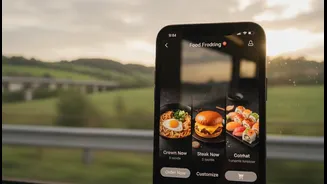
At the heart of this change is a simple but powerful technological handshake. It starts with IRCTC's official e-Catering service, which created the authorised ecosystem for this to happen. By simply using your PNR number, you unlock a menu of local FSSAI-approved
restaurants at upcoming stations on your route. This is made possible through platforms and aggregators like Swiggy, Zomato, RailRestro, and Zoop, which partner with IRCTC to offer their services. Behind the scenes, GPS-enabled train tracking allows restaurants to prepare and time your delivery precisely. A delivery person then brings the sealed package directly to your coach and seat, a process coordinated through an app. This digital infrastructure transforms a chaotic process into a seamless, trackable experience.
A Hunger for Choice and Quality
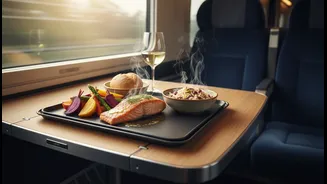
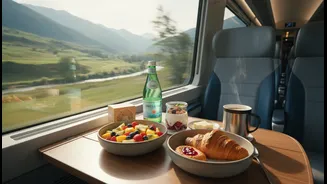
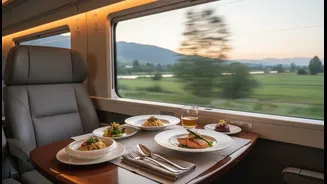
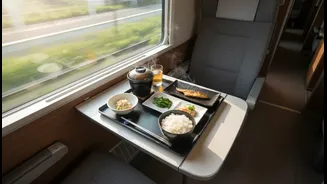
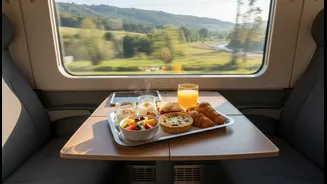
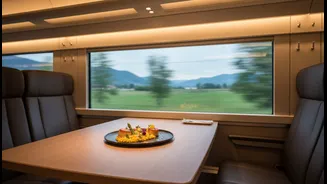
For a generation accustomed to the endless choices and one-tap convenience of food delivery apps in cities, the old train food model was bound to feel outdated. Young Indians today are experience-driven, and food is a central part of that. They expect the same variety, quality, and hygiene on a 24-hour train journey as they do at home. The new e-catering model delivers just that, offering everything from regional specialities to popular fast-food chains like McDonald's, KFC, and Pizza Hut. This shift is less about rejecting pantry food and more about demanding better options—whether it’s a pure-veg thali, Jain meal, or a late-night biryani craving. It’s about replacing a gamble with a guarantee.
From Niche Service to Mainstream Habit
The numbers confirm this is more than just a trend. In the first quarter of fiscal year 2027 alone, Swiggy reported that its train food orders tripled year-on-year. During the summer, passengers ordered over four lakh rotis via the platform. This growth is not just confined to metros; it's being fuelled by smaller towns and cities. In Guna, Madhya Pradesh, for instance, 66% of train food orders came from first-time Swiggy users. This indicates that the service is a powerful tool for digital adoption outside of major urban hubs. Companies like Zoop, an authorised IRCTC partner, now deliver tens of thousands of meals monthly and have even launched ordering via WhatsApp and Instagram to overcome spotty in-train network issues.
The Bigger Picture: A Changing India
The rise of train food orders is a snapshot of a much larger story. It reflects the success of Digital India, where connectivity and online payments are reaching every corner of the country. It also signifies a major expansion of the gig economy, creating jobs for delivery personnel in smaller station towns. This system also helps local restaurants, giving them access to a transient but massive customer base they previously couldn't serve. More fundamentally, it shows how the expectations of young Indian travellers have evolved. Convenience, choice, and reliability are no longer seen as luxuries but as standard requirements. What started as a solution to a common travel annoyance has become a thriving ecosystem that is changing local economies and travel culture itself.