



What Exactly Is a Conjunction?
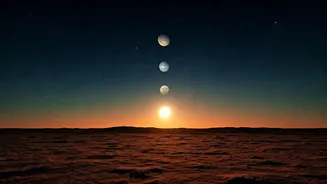
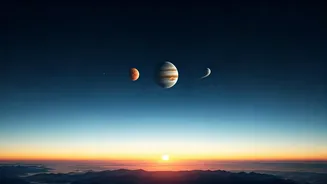
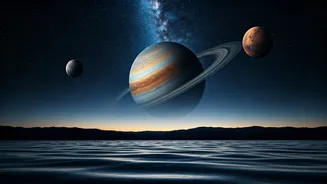
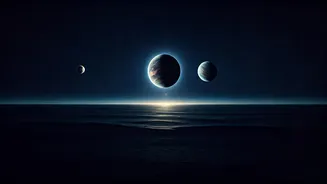
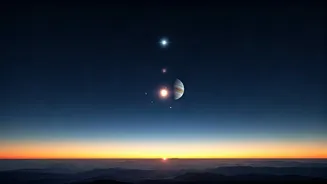
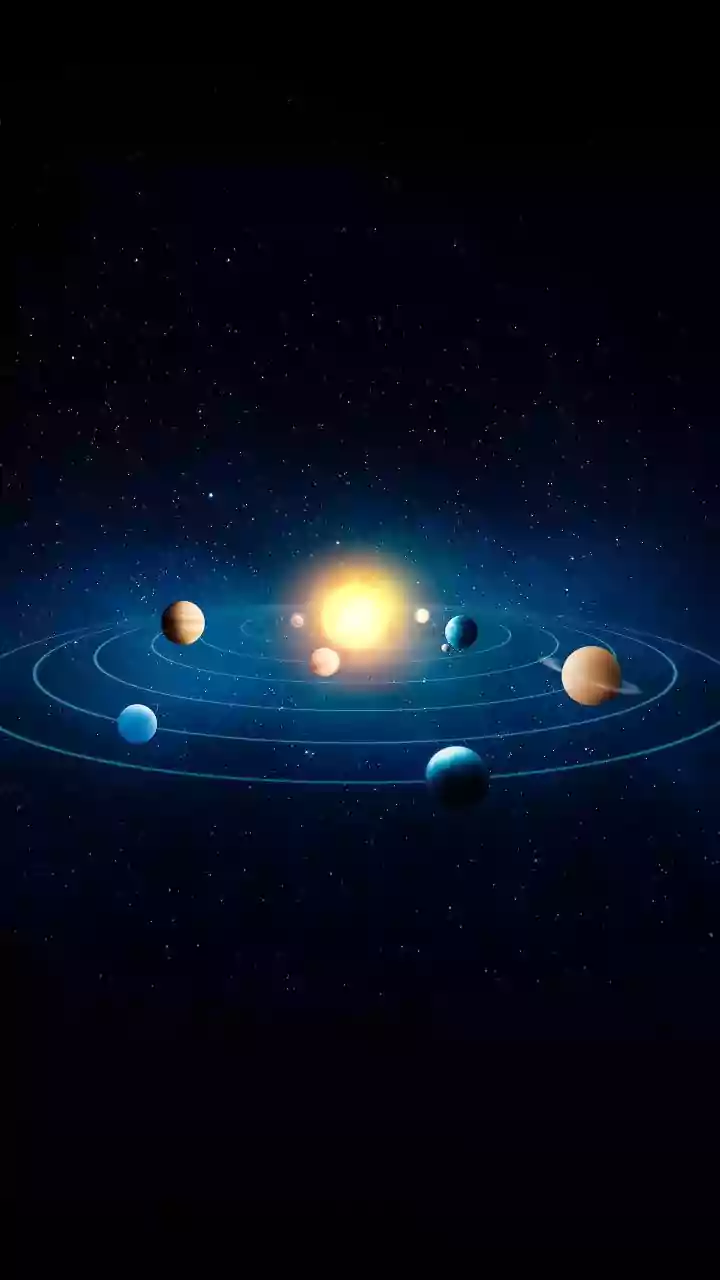
In simple terms, a planetary conjunction is an event where two or more celestial bodies appear to be very close to each other in the sky, as seen from Earth. It’s a line-of-sight phenomenon. The planets aren't actually close to each other in space—in
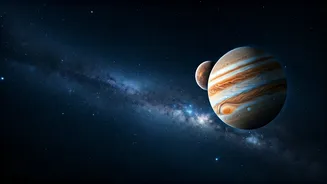
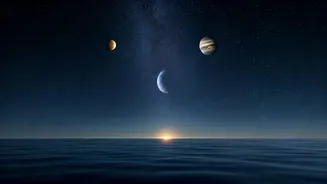
fact, they remain millions of kilometres apart. But from our perspective, their orbital paths align in such a way that they look like cosmic neighbours for a short period. This particular event involves Mercury, the swiftest and innermost planet, and Jupiter, the gas giant king. Seeing them share the same small patch of sky is a visual treat that highlights the dynamic, ever-shifting nature of our solar system.
Why This Celestial Meetup Is Special
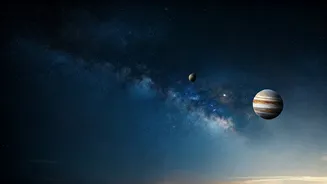
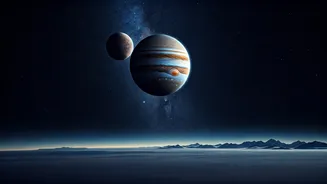
While planetary conjunctions happen fairly regularly, this one stands out for a few reasons. First, it involves the two extremes of our solar system's planets: tiny, rocky Mercury and colossal, gaseous Jupiter. The visual contrast is stunning if you can catch it. Second, Mercury is notoriously difficult to spot. It’s small, dim, and never strays far from the Sun's glare, earning it the nickname 'the elusive planet.' It’s usually lost in the twilight glow of sunrise or sunset. This event provides a brilliant guidepost. Jupiter, being one of the brightest objects in the night sky, acts like a giant celestial beacon, pointing directly to where you can find Mercury. This makes it a rare and excellent opportunity for even casual observers to finally tick Mercury off their stargazing list.
How to See It From India
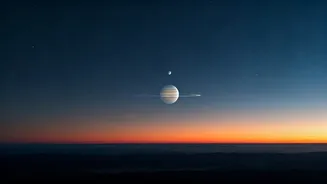
The good news is that this event is visible across India, provided you have clear skies. The key is timing and direction. Conjunctions involving Mercury almost always occur low on the horizon just after sunset or just before sunrise. For this event, you'll want to look towards the western horizon approximately 30 to 45 minutes after the sun has completely set. This is the 'blue hour,' when the sky is dark enough for the planets to pop out but before they sink below the horizon themselves. Jupiter will be the brighter of the two, appearing as a brilliant, steady star. Mercury will be fainter and just next to it. You don’t need any special equipment to see them; they will be visible to the naked eye. The window for viewing is short—perhaps only 30 minutes—so be ready!
Essential Tips for the Best View
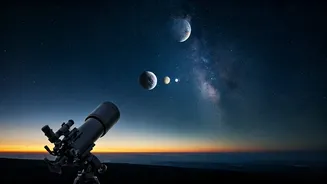
To maximise your chances of a great view, follow these simple steps. First, find a location with an unobstructed view of the western horizon. Rooftops, balconies facing west, or open fields away from tall buildings and trees are ideal. Second, escape city lights if possible. Light pollution can wash out fainter objects like Mercury. The darker your sky, the better the view. Third, give your eyes time to adapt to the darkness. It takes about 15-20 minutes for your eyes to become fully dark-adapted, so get settled before the viewing window begins. While not essential, a pair of binoculars will dramatically enhance the view, potentially allowing you to see Jupiter's four largest moons (the Galilean moons) as tiny pinpricks of light near the planet.
A Cosmic Photo Opportunity
Want to capture the moment? You don't necessarily need a professional camera. Most modern smartphone cameras can capture a conjunction if you know how. First, turn off your flash. Use a small, portable tripod or prop your phone against a stable surface to avoid blurry shots from shaky hands, especially in low light. Use your camera's 'pro' or 'night' mode if it has one. This allows you to manually increase the exposure time (try a few seconds) and adjust the ISO to make it more sensitive to light. Focus manually on Jupiter, as autofocus may struggle in the dark. Don't just zoom in on the planets; try to frame them with a silhouette of a tree or building on the horizon to create a more compelling and memorable photograph.