





The Annual Race Against Rot
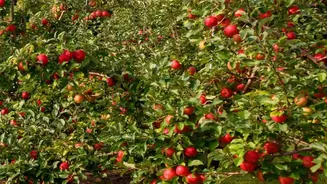
Kashmir's apple industry, the backbone of its rural economy, has long been plagued by a fundamental challenge: a short, frantic harvest season. With nearly 7 lakh families connected to horticulture, the annual apple picking period creates a massive glut
of produce. Without adequate storage, farmers have historically faced a difficult choice: sell immediately at whatever price the market offers, or risk spoilage. This dynamic often leads to distress sales, where prices plummet due to oversupply, erasing months of hard work. The logistical hurdles are immense, with highway closures due to weather or landslides capable of stranding fruit-laden trucks, leading to devastating losses. This vulnerability has kept many growers in a cycle of financial uncertainty, unable to fully capitalize on the quality of their world-renowned apples.
The Cold Storage Revolution
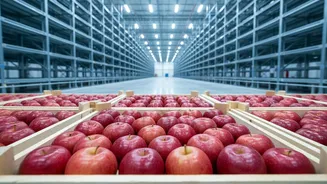
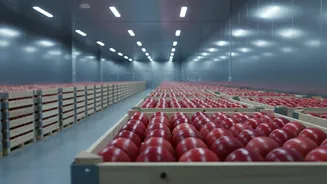
The game-changer in this economic equation is the expansion of Controlled Atmosphere (CA) cold storage. Unlike simple refrigeration, CA facilities create a precisely managed environment, controlling levels of oxygen, carbon dioxide, and humidity. This technology allows fresh apples to be preserved for up to ten months, effectively breaking the seasonal constraint. Farmers can now safely store their A-grade produce and wait for market conditions to improve. The impact is transformative. Instead of selling a box of apples for a few hundred rupees during the harvest rush, growers can command prices two or three times higher by releasing their stock during the off-season. This shift gives them unprecedented control over their sales, reducing reliance on middlemen and stabilizing their income.
A Cooperative and Government Push
Recognizing the immense potential, a significant push is underway to bolster this critical infrastructure. The government of Jammu and Kashmir has identified post-harvest management as a key priority. Plans announced in the 2026-27 budget aim to significantly increase the region's CA storage capacity, which currently stands at just under 3 lakh metric tonnes but is estimated to need double that amount. This initiative includes subsidies to encourage the development of new facilities, particularly in districts that have been underserved. At the heart of this movement are cooperatives and farmer producer organizations. Bodies like the Jammu and Kashmir Horticultural Produce, Marketing and Processing Corporation (JKHPMC) are playing a pivotal role, working to create better marketing opportunities and strengthen the entire value chain for growers. These collective efforts help farmers pool resources, access new technologies, and gain the bargaining power needed to thrive.
Challenges and the Road Ahead
While the expansion of cold storage is a monumental step forward, it is not without challenges. Some farmers have raised concerns about the rising operational costs of CA storage, including electricity and maintenance fees, which can eat into profits if market prices are weak. Ensuring consistent quality of the stored produce is another hurdle, as improper sorting or handling before storage can lead to issues later. However, the consensus is that the benefits far outweigh the drawbacks. The availability of modern storage has already proven to be a lifeline, preventing massive losses during transport disruptions and market gluts. The ongoing expansion, guided by both government policy and cooperative action, aims to make these facilities more accessible and affordable for small and marginal farmers, ensuring the benefits are spread widely across the valley.