

Meet the Seed: What Are Nigella Seeds?
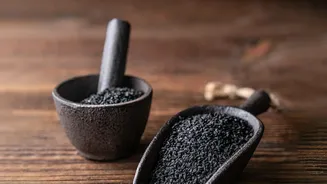
Often seen dotting the surface of Indian naan or Middle Eastern flatbreads, nigella seeds are the seeds of the Nigella sativa plant, a member of the buttercup family. In India, they are widely known as kalonji. Despite common English nicknames like 'black
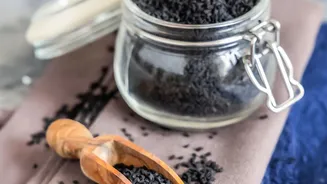
onion seed', they are not related to onions, nor are they the same as black sesame seeds or black cumin, though they are frequently confused. True nigella seeds are small, matte black, and have a distinct triangular or teardrop shape, unlike the flatter, smoother black sesame seed. Their history as a culinary spice is ancient, with seeds even found in the tomb of Tutankhamun.
Unlocking a Complex Flavour
The taste of raw nigella seeds can be slightly bitter, which is why many cooks leave them on the shelf. However, their true flavour is unlocked with heat. When toasted or baked, nigella seeds offer a wonderfully complex profile that is nutty, peppery, and slightly smoky, with notes of onion and oregano. The aroma becomes more pronounced, adding a savoury depth that transforms simple dough. Many find the flavour intriguing and hard to pin down, but it’s this unique combination that makes them so versatile in savoury baking.
To Toast or Not to Toast?
To get the most out of your seeds, a quick toast is highly recommended. Simply place them in a dry pan over medium heat for 30 to 60 seconds, stirring or shaking the pan until they become fragrant. You may hear them pop and crackle slightly. Immediately remove them from the hot pan onto a plate to prevent them from burning, which can amplify any bitterness. However, if you are using the seeds purely as a topping for bread that will be baked, you can often skip this pre-toasting step, as the heat from the oven will toast them for you.
Two Ways to Add Nigella to Your Bread
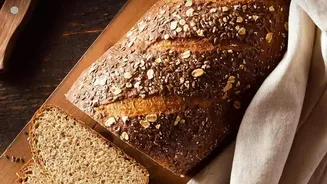
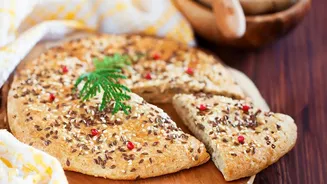
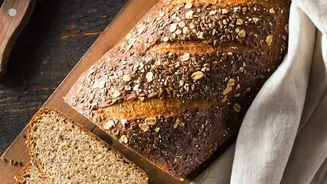
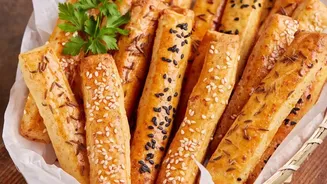
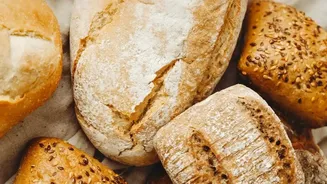
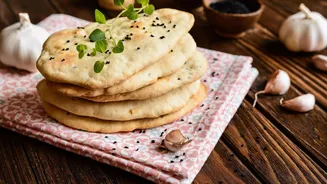
There are two primary methods for incorporating nigella seeds into your bread recipes. The first and most common is as a topping. After shaping your loaf and applying an egg wash or brushing with water or oil, simply sprinkle the seeds over the surface before baking. This adds a beautiful visual contrast and a crunchy, aromatic crust, perfect for flatbreads like naan or Turkish pide. The second method is to knead the seeds directly into the dough. This infuses the entire loaf with their distinct flavour. A good starting point is about one to two teaspoons of seeds per loaf, as their pungent taste can be strong. They work wonderfully inside sourdough, rye breads, and soft white loaves.
Perfect Pairings: Breads That Love Nigella
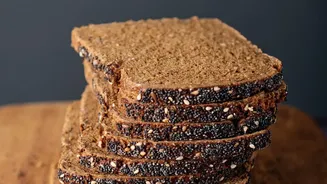
While you can add nigella seeds to almost any savoury bread, they have a natural affinity for certain types. They are an essential topping for classic Indian Naan and other flatbreads. In Middle Eastern and Mediterranean baking, they are frequently found on breads like Turkish pide or other olive oil-rich loaves, often alongside sesame seeds. The seeds also provide a fantastic counterpoint in rustic, hearty breads. For instance, Chernushka Rye is a Jewish rye bread that is generously filled with nigella seeds, creating a deeply aromatic and spicy flavour. They also complement the textures of simple focaccia, savoury scones, or even homemade crackers.