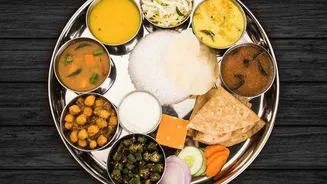


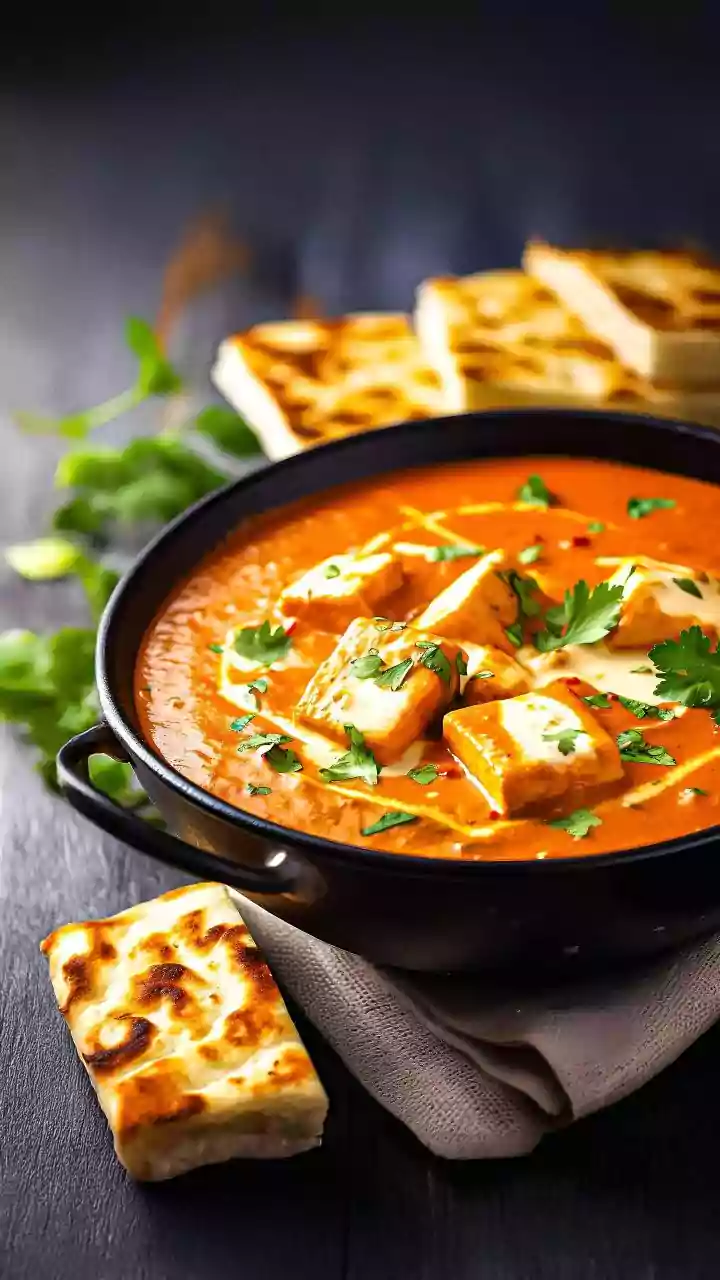
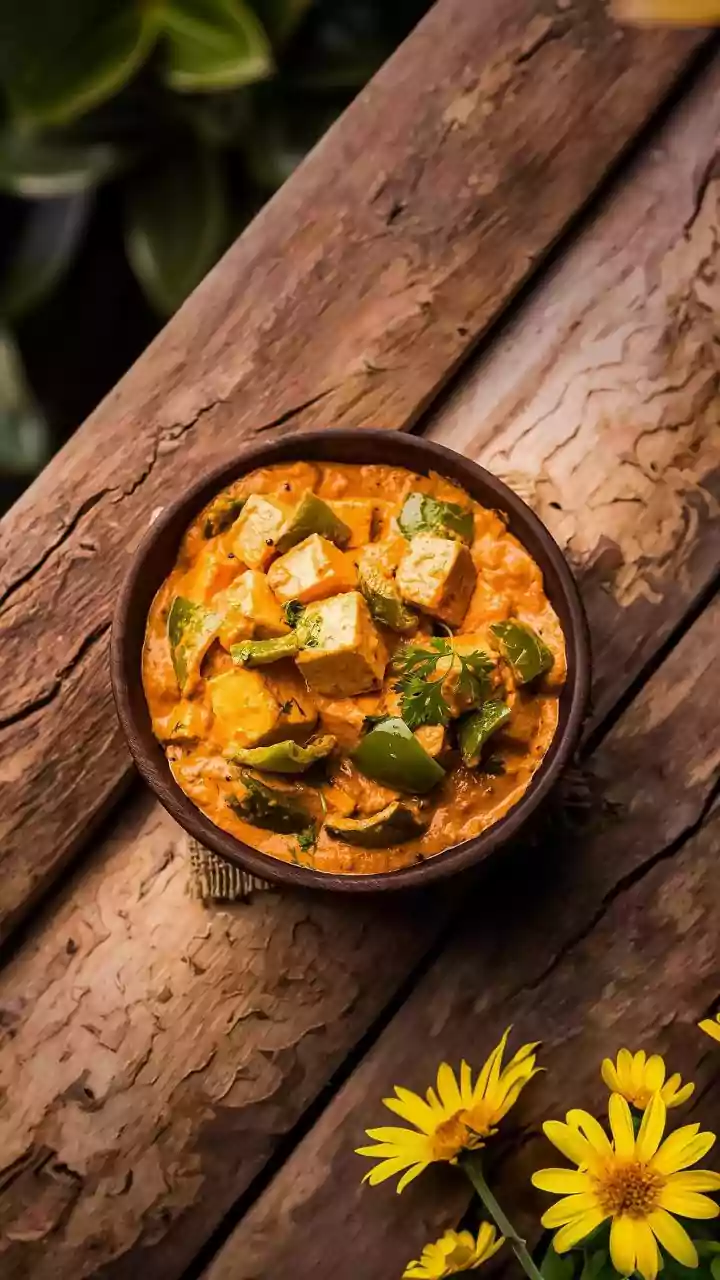
Rice is more than just a grain in India; it's the heart of countless meals. But what transforms it from a simple staple into a deeply comforting lunch? The secret lies in a rich tapestry of regional cooking techniques, refined over generations.
The Foundation: More Than Just a Grain
The journey
to a perfect plate of rice begins long before the cooking starts. In India, the choice of grain is a deliberate one, tailored to the dish. The North leans towards long-grain basmati, prized for its delicate aroma and ability to remain separate and fluffy, making it ideal for festive biryanis and pulaos. Head south, and you'll find varieties like Sona Masoori, a lightweight and mild-flavored rice that forms the perfect canvas for everyday meals with sambhar, rasam, or curd. In Kerala, the distinct, nutty Matta rice is a staple. These choices aren't accidental; they are based on how each grain's starch content and structure respond to heat and water. Rinsing the rice thoroughly before cooking is a non-negotiable step across regions, as it removes excess surface starch that causes stickiness and ensures a fluffier end result.
The One-Pot Method: Simplicity and Flavor
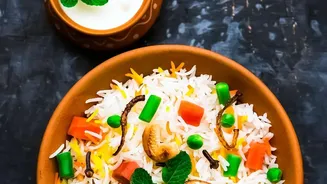
Many of India's most comforting rice dishes are one-pot meals, where the rice is cooked using the absorption method. In dishes like khichdi or pulao, every ingredient—vegetables, lentils, spices, and rice—simmers together in a measured amount of liquid. As the rice cooks, it soaks up not just the water, but all the aromatic, layered flavors of the other ingredients. This technique is the essence of comfort cooking; it’s efficient, minimizes cleanup, and creates a meal where flavors have melded completely. The final dish, whether it's a simple jeera rice or a more complex vegetable tehri, is imbued with a richness that can't be achieved by simply mixing ingredients after cooking.
The Art of Dum: Slow Cooking to Perfection
The 'dum pukht' technique, which translates to ‘cooking on slow fire,’ is a hallmark of Awadhi and Hyderabadi cuisine, especially for biryani. This method involves layering partially cooked rice and meat or vegetables in a heavy-bottomed pot (a 'handi'), sealing the lid tightly with dough, and cooking it over a very low flame. The sealed environment traps steam, allowing the food to cook in its own juices and aromas. This slow, gentle process ensures that the rice becomes incredibly fragrant and tender, with each grain infused with the essence of the spices and other ingredients. The 'dum' method is the secret behind the ethereal texture and deep, complex flavors of a truly great biryani, transforming it from a simple rice dish into a celebratory feast.
The Finishing Flourish: The Magic of Tadka
Perhaps one of the most transformative techniques in Indian cooking is the 'tadka,' or tempering. This involves briefly frying whole or ground spices like mustard seeds, cumin seeds, dried chillies, and curry leaves in hot ghee or oil. This process, which takes only a minute, blooms the spices, releasing their essential oils and aromatic compounds. The fragrant, sizzling fat is then poured over the finished rice dish, such as lemon rice, curd rice, or a simple dal and rice combination. A tadka provides a final, vibrant layer of flavour and aroma that enlivens the entire meal. It's a simple step that adds a professional and deeply satisfying touch, turning an ordinary dish into something special.