






Decoding the Blue Bond
Think of a blue bond as a cousin to the more familiar green bond. It’s a debt instrument where the money raised is specifically earmarked for projects related to oceans, seas, and water resources. This isn't just about environmental protection; it’s about sustainable
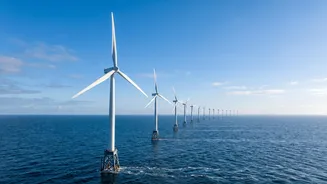
economic activity. The proceeds can fund a wide range of initiatives, including sustainable fisheries, mangrove restoration, wastewater management, coastal infrastructure, and even offshore renewable energy. By issuing these bonds, governments and corporations can tap into a growing global pool of capital from investors who prioritize environmental, social, and governance (ESG) goals. The world's first sovereign blue bond was issued by Seychelles in 2018, setting a precedent for coastal nations.
Why India Is Diving In Now
With a coastline stretching over 7,500 kilometres, India's 'blue economy'—which includes everything from fisheries and shipping to tourism and offshore energy—contributes about 4% to its GDP. The government has ambitious plans under programs like the Sagarmala Project to modernise ports and improve coastal connectivity. Blue bonds offer a new, dedicated stream of financing for these long-term projects. Recent reports indicate that state-run Sagarmala Finance Corporation is preparing to issue the country's first blue bond, potentially raising up to ₹1,000 crore by the end of September. Vadodara Municipal Corporation is also planning a smaller issue to fund water treatment infrastructure. This move aligns with SEBI's efforts to create a formal framework for blue bonds, signalling a maturing market for sustainable finance in India.
The Investor Perspective
For investors, blue bonds offer a compelling proposition: a chance to earn fixed-income returns while contributing to measurable environmental impact. As ESG mandates become more prominent globally, these instruments provide a way to diversify portfolios with assets that support a sustainable blue economy. The upcoming Sagarmala Finance bond, for example, is expected to carry a strong AA+ credit rating, offering yields that are competitive with other top-tier public sector bonds. This makes it attractive for institutional investors like mutual funds and insurance companies. While the market is new and initial liquidity may be low, the formal backing from regulators like SEBI is expected to build investor confidence over time.
Building Blue Infrastructure
The capital raised from these bonds is intended for tangible, on-the-ground projects. Sagarmala Finance plans to use the funds for initiatives like improving port connectivity, shipbuilding, developing inland waterways, and constructing coastal roads. For municipal issuers like Vadodara, the focus is on critical water infrastructure such as water treatment plants and pump houses. These projects not only boost economic growth but also enhance climate resilience by improving water security and protecting coastal communities from flooding and erosion. By directly linking finance to specific blue economy goals, these bonds ensure that investment is channelled into national priorities like the Deep Ocean Mission and the National Shipbuilding Mission.
Navigating the Challenges Ahead
Despite the promise, the path forward has its hurdles. One of the main challenges is ensuring the credibility and transparency of the projects funded. To maintain investor trust, issuers must provide clear and consistent reporting on how the proceeds are used and what environmental impact is achieved. This requires robust monitoring and verification frameworks. Another challenge is liquidity risk; as a new asset class in India, the secondary market for blue bonds will take time to develop. Early investors might find it difficult to sell their holdings before maturity. Furthermore, the success of the bond is tied to the successful execution of the underlying projects, which always carries inherent risks.