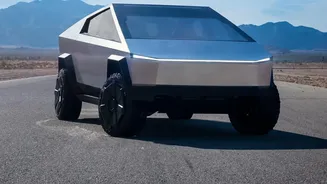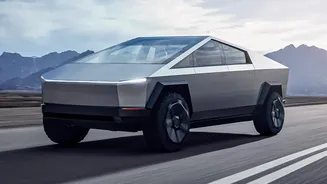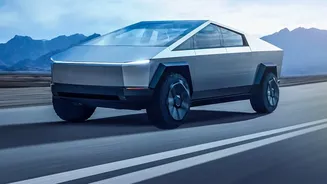




Tesla has announced it will wind down production of the iconic Cybertruck at its Texas Gigafactory around mid-2027. This pivot marks a significant turning point for one of the most hyped and challenging vehicles in recent automotive history.
The End of the Line
In a surprise
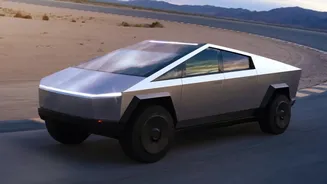
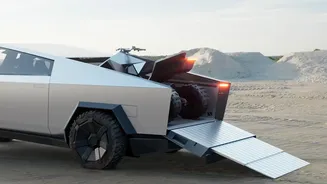
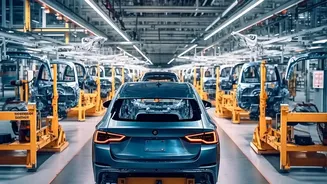
announcement on November 6, 2026, CEO Elon Musk confirmed that the assembly line for the stainless-steel pickup will be repurposed. The change isn't due to a lack of demand, according to Musk, but is a strategic decision to reallocate factory space for a different priority: the Cybercab. This futuristic, two-seat vehicle with no steering wheel or pedals is central to Tesla's ambitions in the autonomous robotaxi market. The company plans to refund deposits to reservation holders who won't receive their truck before production ceases. While Musk called it an 'end of an era', he also noted the existing fleet of Cybertrucks will be on the roads for a long time.
A Troubled Production Saga
The Cybertruck's journey from its dramatic 2019 unveiling to customer driveways has been famously difficult. After years of delays, the first deliveries began in late 2023, but Tesla has struggled to scale production to meet its own ambitious targets. Musk once projected building 250,000 trucks annually, but sales have fallen far short of that goal, with estimates showing a significant drop in 2025 compared to 2024. The truck's radical design, particularly its angular stainless-steel exoskeleton, required entirely new manufacturing processes that proved difficult to master and led to quality control issues and multiple recalls for problems ranging to faulty accelerator pedals to detaching exterior panels.
Pivoting to the 'Cybercab'
The decision to end Cybertruck production is a clear signal of Tesla's shifting priorities. The company is betting heavily on an autonomous future, and the Cybercab is the physical manifestation of that bet. Production of the robotaxi has already begun at the Giga Texas factory, which has an installed annual capacity for over 125,000 units. By freeing up the Cybertruck line, Tesla aims to aggressively scale up Cybercab manufacturing to support its growing robotaxi network, which has already started operating in parts of Austin. Musk has emphasized that the value of increasing Cybercab output far outweighs the 'opportunity cost' of continuing to build the complex Cybertruck.
What It Means for the Market
The Cybertruck's short production run represents a failure to capture a significant share of the lucrative American pickup market, which is dominated by established players like Ford and Chevrolet. Despite its polarizing design, the truck developed a dedicated following and became a cultural symbol for the brand. Its exit leaves a vacuum that competitors, who have launched their own electric pickups like the F-150 Lightning and electric Silverado, will be keen to fill. For Tesla, the move is a strategic retreat from a challenging segment to double down on what it sees as its core future: artificial intelligence, robotics, and autonomous transportation services.