


Why the Train Is Your Best Companion
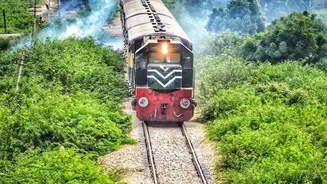
For a solo traveler exploring Central India's vast wildlife circuit, the train is more than just transport; it's a lifeline. It offers a blend of affordability, flexibility, and authentic experience that no other mode of travel can match. Unlike rigid
flight schedules or the fatigue of long-distance bus journeys, train travel allows you to witness the incredible tapestry of the Indian countryside unfold at a relaxed pace. It’s an opportunity to meet fellow travelers and locals, share stories, and get a real sense of the country. For a backpacker on a budget, the cost savings are significant. Overnight journeys save on a night's accommodation, and the extensive network connects even remote parks to major hubs, making it a practical and efficient choice for weaving a path between the wilderness areas.
Your Ticket to Ride: Pass vs. Point-to-Point
While dedicated multi-day rail passes like the Indrail Pass were once a popular choice for foreign tourists, Indian Railways has largely discontinued them. However, the spirit of budget rail travel is very much alive. The modern approach is to book point-to-point tickets through the official Indian Railways Catering and Tourism Corporation (IRCTC) website or app. As a foreign national, you can register on the IRCTC portal using your passport details and an international mobile number to book tickets yourself. A key advantage for solo planners is the Foreign Tourist (FT) Quota, a set number of seats reserved on many popular trains that can be booked up to 365 days in advance. While these tickets come at a slightly higher price, they offer a much greater chance of securing a confirmed berth on popular routes, providing the peace of mind that is invaluable for solo travel planning.
The Tiger Corridor: Parks by Rail
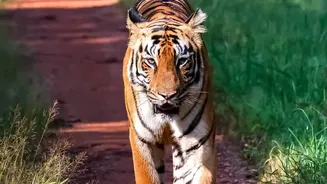
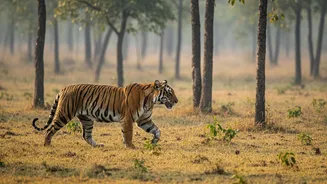
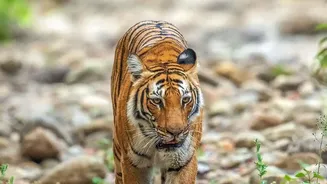
Central India, particularly the state of Madhya Pradesh, is blessed with a high concentration of world-class national parks, many of which are surprisingly accessible by train. Bandhavgarh National Park: Renowned for having one of the highest tiger densities in India, Bandhavgarh is a must-visit. The nearest and most convenient railway station is Umaria (UMR), just a 45-minute to one-hour drive (about 32-35 km) from the park's main gate. Another major railhead is Katni (KTE), around 100 km away, which offers broader connectivity from cities across India. Kanha National Park: The inspiration for Rudyard Kipling’s “The Jungle Book,” Kanha’s sprawling sal forests are magical. The two primary rail gateways are Gondia (G) in Maharashtra and Jabalpur (JBP) in Madhya Pradesh. Gondia is about a three-hour drive (130-145 km), while Jabalpur is about a four-hour drive (160-176 km) from the park. Your choice of station will depend on which entry gate you plan to use. Pench National Park: Straddling the border of Madhya Pradesh and Maharashtra, Pench offers a rich Kipling-esque experience. The closest station is Seoni (SEY), about 30 km away, but it has limited connectivity. The most practical and well-connected options are Nagpur (NGP) at around 90-110 km (a 2-3 hour drive) and Jabalpur (JBP) at about 190 km (a 4-hour drive).
Logistics for the Lone Explorer
Streamlining your solo journey requires some smart planning. Once you arrive at the railway station nearest to your chosen park, the final leg of the journey will be by road. You can usually find pre-paid taxis or local cabs at the station; it is often worth arranging a pickup in advance through your lodge or a trusted local operator. When booking train tickets, aim for overnight journeys for long distances to save time and money. For safaris, it is essential to book your permits and safari vehicles well in advance, as they are limited and sell out quickly, especially during peak season. This can usually be done online through the respective state's forest department website. Solo travelers often have an advantage in joining shared jeeps, which can reduce costs. Finally, pack light. Navigating busy railway stations and getting into and out of trains is much easier with a single backpack than with bulky luggage.