



The Philosophy: Layers and Versatility
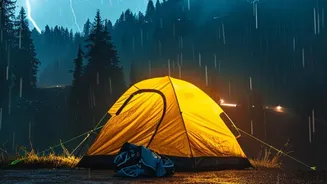
The secret to a light carry-on for a rainy destination isn't about cramming in more gear; it's about choosing smarter pieces. The core strategy is layering. Instead of a bulky, heavy coat, think in terms of a three-part system: a base layer, a warm mid-layer,
and a waterproof outer shell. This approach allows you to adapt to changing temperatures, whether you're stepping out into a downpour or sitting in a warm café. Focus on a simple, neutral color palette—like black, grey, navy, and beige—for your main items. This ensures everything matches, allowing you to create multiple outfits from a few key pieces. A pop of color can come from smaller accessories. Every item you pack should serve more than one purpose or be wearable in multiple combinations.
Your Anchor Piece: The Waterproof Jacket
Your single most important item is a high-quality, lightweight, and truly waterproof jacket. Look for one that is described as a 'shell'—it's designed to be your outermost layer of protection against wind and rain without adding much bulk. A hood is non-negotiable for keeping you dry in downpours, especially in windy conditions where an umbrella might be impractical. Trench coats can offer a stylish alternative for city breaks, but ensure they are made from a waterproof or highly water-resistant fabric. This jacket should be roomy enough to wear comfortably over a sweater or fleece, but streamlined enough to pack down small into its own pocket or a packing cube.
Building Your Wardrobe: Quick-Dry Fabrics are Key
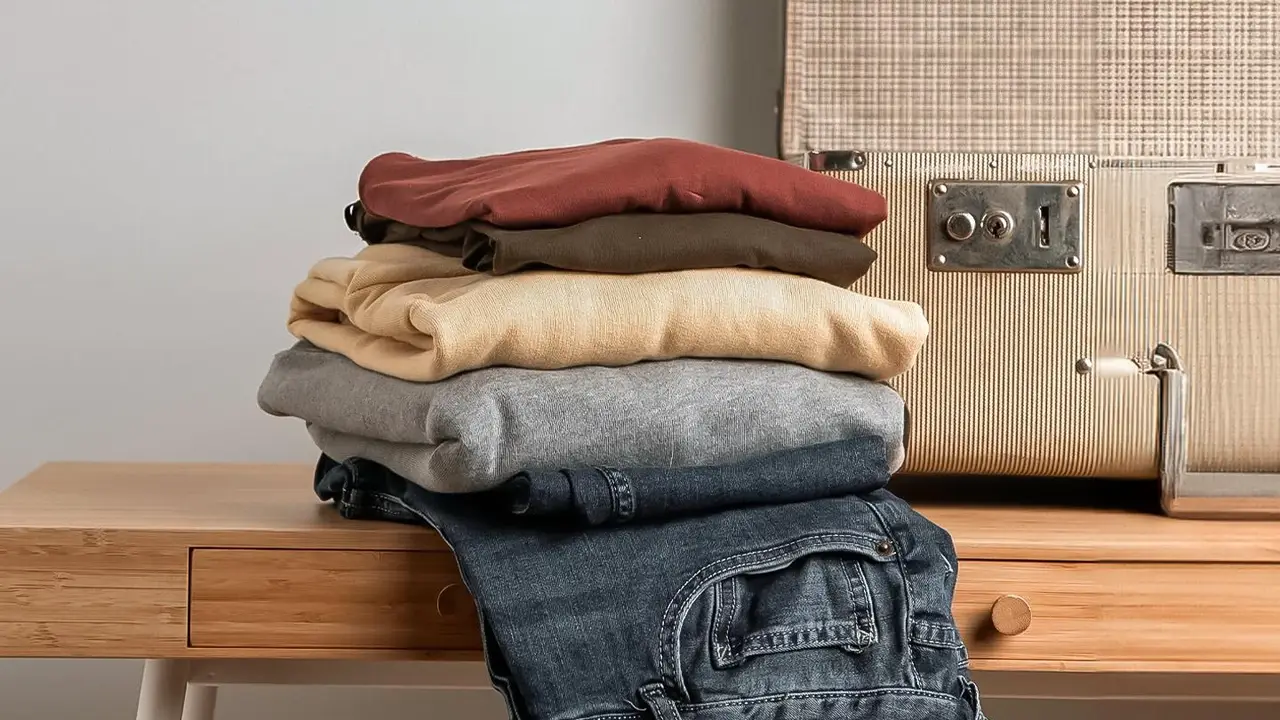
For a four-day trip, a small capsule of tops and bottoms is all you need. The goal is to avoid cotton, which gets heavy and takes a very long time to dry. Instead, choose performance fabrics that are quick-drying and moisture-wicking. Merino wool is an excellent, though pricier, natural option that resists odor, breathes well, and works in both cool and warm conditions. More budget-friendly synthetic options like polyester and nylon are also fantastic choices. A good formula for four days is: three tops (a mix of long and short sleeves), one sweater or fleece for your warm mid-layer, and two pairs of bottoms. For trousers, consider nylon or polyester travel pants, which often have a water-repellent coating.
Footwear: The Toughest Challenge
Shoes are often the bulkiest items in a suitcase, and for rainy weather, they're critical. You need to keep your feet dry and comfortable without packing multiple heavy pairs. The solution is a two-shoe strategy. First, wear your bulkiest pair on the plane: a pair of comfortable, waterproof boots or sneakers. These will be your workhorse shoes for walking around in the rain. Your second pair, packed in your carry-on, should be a lightweight, comfortable shoe for evenings, indoor activities, or if your primary pair gets soaked. This could be a pair of stylish flats or loafers. Always pack a few extra pairs of socks, preferably wool or synthetic, as wet socks are a quick route to discomfort.
Smart Extras and Packing Strategy
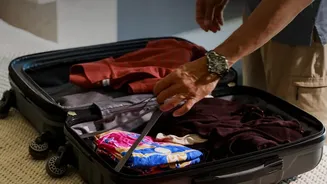
A few well-chosen accessories can make a huge difference. A compact travel umbrella is a great backup for when you don't want to wear a hood. Consider packing a reusable, water-resistant pouch or even a few zip-top bags to isolate wet items like a damp umbrella or socks from the dry clothes in your bag. When it comes to packing, rolling your clothes tightly is a proven space-saver. For even better organization and compression, use packing cubes. Keep your rain jacket easily accessible at the top of your bag, so you can grab it quickly if you arrive to an unexpected shower without having to unpack everything on the sidewalk.