





A Low-Cost Digital Detox
After a day spent staring at screens, answering emails, and navigating digital workflows, the need to disconnect is more urgent than ever. The modern Indian workplace, with its long hours and 'always-on' culture, can lead to significant stress and burnout.
A post-work walk offers an effective and accessible antidote. It serves as a deliberate act of creating a buffer zone between professional duties and personal life. Unlike a gym membership or a specialised class, walking is free and requires no equipment, making it the most democratic form of wellness available. This ritual is not about intense exercise; it's about mentally clocking out, allowing the brain to shift gears from the hyper-focused state of work to a more relaxed, reflective one.
The Rise of the 'Third Space'
Sociologists talk about the 'third space' — a place that is neither the pressurised environment of work (the second space) nor the responsibility-filled domain of home (the first space). Historically, these were community halls, libraries, or local markets. Today, as many of these traditional spaces have become commercialised, public walking tracks are unintentionally filling this crucial role. They are neutral grounds where individuals can simply 'be', without the expectation to perform, purchase, or produce. This is especially vital in crowded metros where personal space is a luxury. The track offers a slice of solitude within the collective, a place to process the day's events or simply enjoy a moment of peace before re-engaging with domestic life.
Green Spaces and Mental Well-being
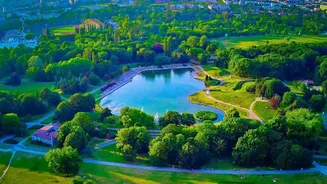
There is a growing body of scientific evidence linking exposure to green spaces with improved mental health. Studies show that even brief periods spent in natural environments can lower stress hormones like cortisol, reduce anxiety, and improve mood. In rapidly urbanising Indian cities, where concrete often dominates the landscape, these green lungs are invaluable. The simple act of walking amidst trees, hearing birds, and feeling a cool evening breeze provides a sensory break from the urban grind. Planners and municipal bodies are increasingly recognising this, investing in the creation and maintenance of public parks, lakeside promenades, and pedestrian-friendly zones, which in turn encourages their use for relaxation and physical activity.
An Unspoken Sense of Community
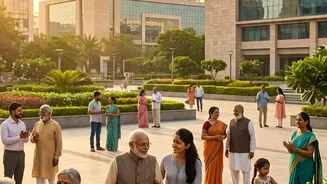
While many walk to be alone with their thoughts, there is an undeniable, low-stakes social aspect to the evening walk. It fosters a sense of community through shared presence. Recognising familiar faces, exchanging a nod with a fellow walker, or simply observing families and friends interact creates a feeling of belonging. These spaces facilitate social cohesion without demanding active participation. In an era of digital isolation, the public park is one of the few places where people from diverse backgrounds come together, sharing the same space for the same simple purpose: to walk. This passive social connection helps combat the urban anomie—or social isolation—that can be common in large, transient cities.