






The Humble Hero of Coastal Kitchens
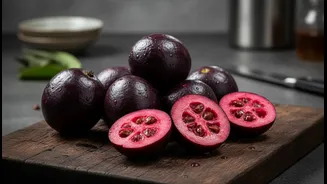
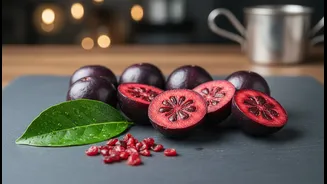
For anyone who grew up along India's western coast, kokum (Garcinia indica) is a familiar flavour. This small, deep purple fruit, native to the Western Ghats, has long been a staple in the kitchens of Maharashtra, Goa, and Karnataka. Traditionally, its
dried rind is used as a souring agent, lending a unique, sharp tang to curries and dals that is distinct from tamarind. Its most famous applications are in solkadhi, a soothing pink-hued digestive drink made with coconut milk, and a vibrant red sherbet that offers respite from scorching summer heat. In these roles, kokum was always functional, a dependable background player rather than the star of the show—valued for its cooling properties and digestive benefits, but rarely seen as glamorous.
More Than Just a Sour Note
Beyond its culinary uses, kokum has a rich history in Ayurvedic tradition. It's celebrated for its impressive health benefits, which are now being validated by modern science. The fruit is packed with antioxidants, particularly garcinol and anthocyanins, which give it its deep colour. Traditionally, it has been used to aid digestion, reduce acidity, and act as a natural coolant for the body. Some studies suggest it has anti-inflammatory properties and may even help with weight management due to the presence of hydroxycitric acid (HCA). This wealth of wellness benefits, long understood in homes, adds a powerful layer to its identity, positioning it as a functional food well before the term became a trend.
The Urban Cafe Renaissance
The real shift in kokum's story is happening now, in the bustling cafes and trendy bars of India's cities. Chefs and mixologists, in a quest for authentic yet innovative flavours, are rediscovering this indigenous gem. The humble kokum is no longer just for solkadhi. It’s being transformed into sophisticated mocktails, artisanal sodas, and even complex cocktails. Imagine a kokum-infused gin and tonic, a spicy kokum fizz with a hint of ginger, or a vibrant kokum mojito. These modern interpretations showcase the fruit's versatility, pairing its tartness with sweet, spicy, and herbaceous notes to create drinks that are both refreshing and complex. This makeover introduces kokum to a new, younger audience that is eager for novel experiences rooted in Indian heritage.
From Tradition to Trend
So, why is this happening now? Kokum's revival is part of a larger culinary movement across India that champions indigenous ingredients. There is a growing sense of pride in local produce and a desire to move beyond globally popularised flavours. Chefs are digging into India's vast biodiversity to unearth ingredients with unique stories and flavour profiles. Kokum fits this narrative perfectly. It's local, sustainable, and offers a taste that is authentically Indian yet adaptable to modern formats. Furthermore, as consumers become more health-conscious, non-caffeinated, and naturally flavoured beverages are in high demand. Kokum, with its cooling properties and health benefits, provides a perfect alternative to conventional sodas and sugary drinks.
A New Takeaway for an Old Favourite
This modern cafe makeover fundamentally changes the takeaway on kokum. It's no longer just a sour, dried fruit stored in a jar for making curry. It is now seen as a premium, versatile ingredient capable of holding its own on a sophisticated menu. This shift elevates kokum from a regional commodity to a symbol of modern Indian culinary creativity—a bridge between grandmother's wisdom and a barista's craft. The new context doesn't erase its traditional roots; instead, it celebrates them by presenting them in a fresh, exciting light. The takeaway is that tradition is not static. It can be adapted, reimagined, and made relevant for a new generation, creating a richer, more layered culinary identity.