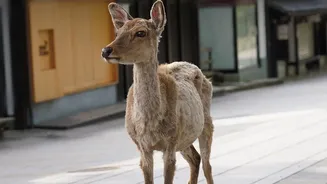





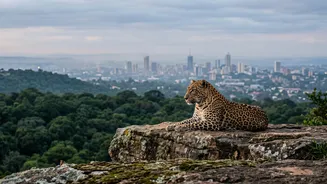
From a leopard padding silently through a Mumbai alleyway to monkeys navigating Delhi's bustling streets, urban India is teeming with wildlife. But these animals aren't just surviving; they're actively changing their behaviour to coexist with us.
The New Rules of the Concrete Jungle
As cities
expand, natural habitats shrink, forcing wildlife into ever-closer contact with human-dominated landscapes. For many species, the choice is simple: adapt or disappear. Fortunately, many are proving to be remarkably flexible. This isn't just about finding new places to live; it's about fundamentally altering their daily routines, diets, and even how they communicate. Animals are learning that cities, despite their dangers, offer a wealth of resources, from discarded food to man-made structures that can serve as shelter. This has led to a fascinating phenomenon where wildlife behaves differently in urban areas compared to their rural counterparts, showcasing a rapid, real-time response to environmental pressure.
Mumbai's Leopards: Masters of the Night
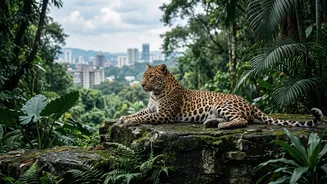
Perhaps one of the most striking examples in India is the leopard population in and around Mumbai's Sanjay Gandhi National Park. This megacity supports a significant number of these large predators, which have learned to navigate the urban sprawl by becoming masters of stealth and timing. Research shows that Mumbai's leopards are predominantly nocturnal, using the cover of darkness to move through alleys and along railway lines, which function as corridors when human activity subsides. Their diet has also adapted to what the city provides, with stray dogs and pigs becoming a key food source. This temporal shift—avoiding humans by being active at night—is a critical behavioural adaptation that allows them to share space in one of the world's most densely populated areas.
Changing Their Tune to Be Heard
It's not just large mammals that are changing their ways. The constant low-frequency rumble of traffic and construction in cities poses a major challenge for birds, who rely on song to attract mates and defend territory. To overcome the urban din, many bird species have adapted their vocalisations. Studies have shown that some urban birds sing at a higher pitch or frequency to ensure their calls cut through the background noise. Others have been observed singing louder or shifting their singing schedules to the quieter pre-dawn hours. This is a direct behavioural modification in response to man-made noise pollution, demonstrating how deeply our environment shapes their communication.
Getting Bolder and Smarter
Life in the city seems to favour bold and intelligent animals. Species like raccoons in North America have become famous for their problem-solving skills, learning to open complex rubbish bins designed to keep them out. Similarly, monkeys in Indian cities like Delhi and Jaipur have become adept at navigating urban environments, often stealing food and using temples and buildings as their modern-day forests. This boldness stems from a learned behaviour: animals in cities often realise that humans are not a direct threat and can be a reliable source of food. Over generations, this can even lead to evolutionary selection, where the bravest and most resourceful individuals are more likely to survive and pass on their traits.
A Shared Future and Our Responsibility
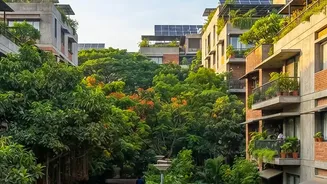
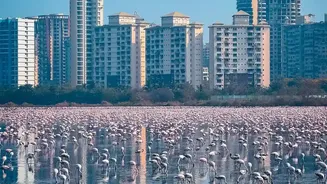
While the adaptability of urban wildlife is remarkable, coexistence is a two-way street. These behavioural shifts are born out of necessity as animals navigate challenges like habitat loss, pollution, and vehicle collisions. Their success highlights the need for more conscious urban planning. Creating green corridors, preserving natural water bodies, and implementing responsible waste management are crucial steps to support this shared ecosystem. The presence of wildlife in our cities is not a problem to be solved, but a sign that nature is resilient. By understanding their adaptations and respecting their space, we can help foster a more harmonious relationship and ensure our cities remain vibrant habitats for all their inhabitants, human and animal alike.