


The Classic Trunk Becomes a Centrepiece
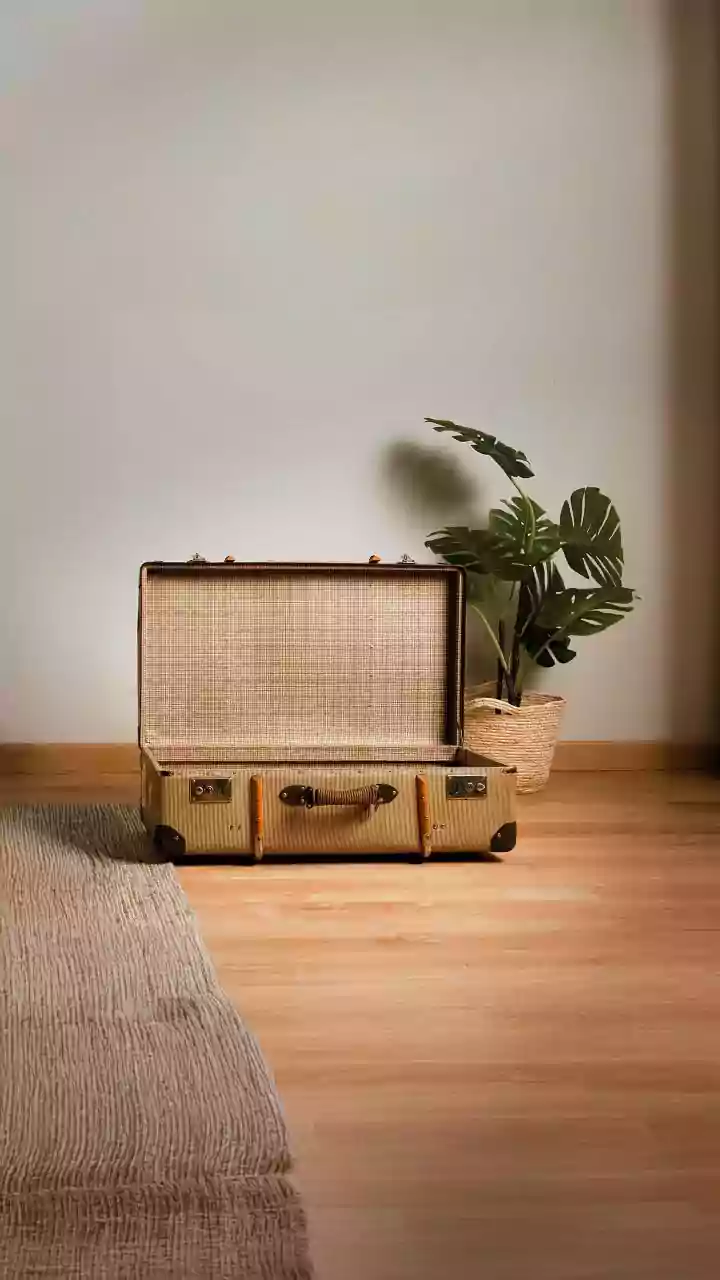
That old metal or wooden trunk (sandook) that once held quilts and winter clothes is finding a new role. With a bit of polishing or a fresh coat of paint, these sturdy chests are being transformed into character-filled coffee tables, television stands,
or storage benches at the foot of a bed. Some are even becoming quirky mini-bars. This practice not only saves a bulky item from the landfill but also adds a piece with a story to the heart of the home, a focal point that modern, mass-produced furniture often lacks.
From Old Doors to Dramatic Headboards
Antique doors and window frames, with their intricate carvings and weathered textures, are too beautiful to be discarded. Interior designers and DIY enthusiasts are repurposing them as stunning statement pieces. An old door can be mounted horizontally to serve as a grand headboard for a bed or fixed with sturdy legs to become a unique dining table. Similarly, old window frames are being turned into multi-panelled mirrors or decorative wall art, preserving a piece of architectural history within a contemporary space.
Mismatched Chairs Get a Fresh Start
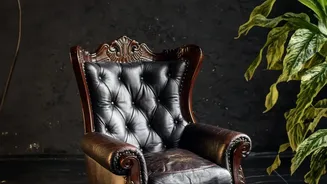
Many homes have a collection of old, mismatched wooden chairs gathering dust. Instead of throwing them out, a growing trend is to unite them with colour. By painting them in a single bold shade or complementary tones, they can be grouped together for a quirky and eclectic dining set. Alternatively, a single, beautifully restored antique chair can serve as a striking accent piece in a modern living room or bedroom, especially when reupholstered with contemporary fabric. This approach is cost-effective and injects personality into a room.
The Humble Charpoy Moves Indoors
The traditional woven charpoy, a staple of courtyards and verandas, is making a stylish comeback indoors. Its minimalist frame and natural texture fit perfectly with modern design sensibilities. In city apartments, a charpoy can function as a chic daybed in a living room, a low seating area on a balcony, or even a unique coffee table if a tray is placed on top. It brings an element of rustic, handcrafted charm and connects the home to its cultural roots in a functional way.
Sarees and Textiles Reimagined as Decor
Sustainability in decor isn't limited to wood and metal. Old silk and cotton sarees, with their rich colours and patterns, are finding new life as soft furnishings. They can be stitched into vibrant cushion covers, unique table runners, curtains, or even used to reupholster an old armchair, giving it a completely new identity. This practice not only upcycles textiles but also preserves the sentimental value attached to these fabrics, weaving personal history directly into the home's decor.
Why This Trend is More Than Just a Fad
This movement towards upcycling is driven by more than just aesthetics; it's a practical and conscious choice. As awareness about the environmental impact of consumerism grows, homeowners are seeking ways to live more sustainably. Upcycling reduces waste and the carbon footprint associated with manufacturing and transporting new goods. It's also a financially savvy approach, saving money while creating a home that feels deeply personal and curated over time, rather than bought from a catalogue. Each restored piece tells a story, celebrating imperfection and heritage.