


North India: The Sattvic Fast
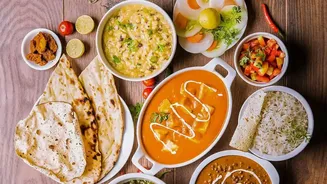
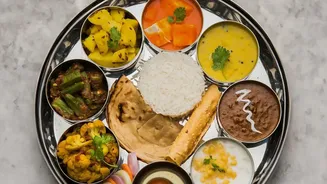
In states like Punjab, Uttar Pradesh, and Delhi, Navratri is synonymous with a strict nine-day 'vrat' or fast. Devotees abstain from grains, onions, garlic, and regular salt. The fast-friendly diet is anything but boring, relying on creative uses of alternative
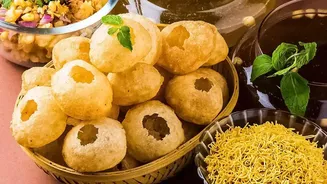
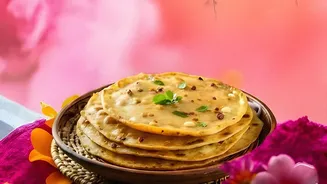
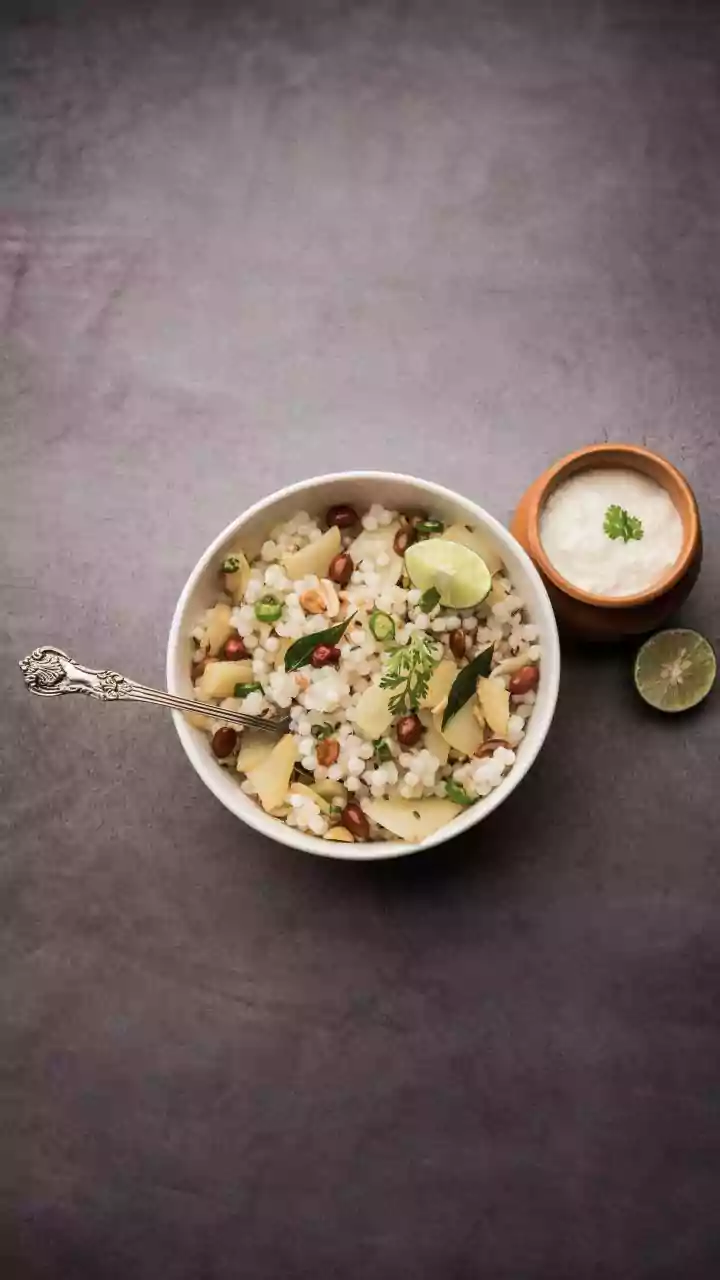
flours and vegetables. Buckwheat flour (kuttu ka atta) and water chestnut flour (singhare ka atta) are staples, used to make crispy puris and parathas. These are often paired with a simple yet flavourful potato curry cooked with tomatoes and seasoned with rock salt (sendha namak). Other popular dishes include sabudana khichdi, a comforting mix of tapioca pearls, peanuts, and potatoes, and samak rice pulao, made from barnyard millet. For sweets, singhare ka halwa provides a rich, satisfying end to a fast day's meal.
Gujarat: A Symphony of Fasting Delicacies
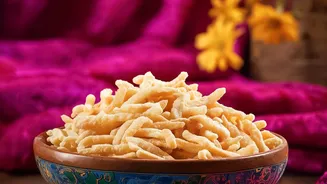
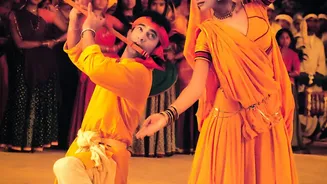
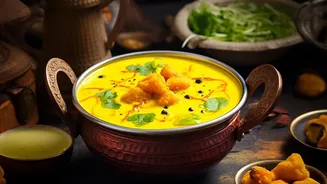
For Gujaratis, Navratri is the biggest festival, marked by nine nights of energetic Garba and Dandiya. The fasting cuisine here is elaborate and delicious. Much like in the North, sabudana khichdi is a beloved staple. However, the Gujarati kitchen also whips up specialties like rajgira puri (made from amaranth flour) and farali dosa, a crepe made from fasting-friendly flours. Accompaniments include a sweet and tangy potato curry (batata nu shaak) and a kadhi made from rajgira flour and curd. Snacks are a huge part of the celebration, with farali chevdo (a savoury mix) being widely enjoyed. The emphasis is on creating wholesome, energetic food to fuel the long nights of dancing.
Maharashtra: Hearty and Humble Fasting Food
In Maharashtra, the Navratri fast shares similarities with its neighbours but has its own distinct culinary identity. Sabudana is the undisputed star here, appearing in two iconic forms: sabudana khichdi and the deep-fried sabudana vada. These crispy, golden-brown fritters, made from tapioca pearls, potatoes, and roasted peanuts, are a festive must-have. Another popular dish is varai bhat, a simple preparation of barnyard millet, often eaten with a spicy peanut curry called amti. Savoury pancakes known as sabudana thalipeeth offer another filling and nutritious option for those observing the fast. These dishes provide the necessary carbohydrates and energy to sustain devotees through the nine days of observance.
West Bengal: A Feast for the Goddess
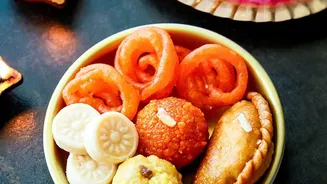
In stark contrast to the fasting traditions elsewhere, Navratri in West Bengal is celebrated as Durga Puja, a grand five-day feast. Here, the festival is a celebration of the homecoming of Goddess Durga, and food is a central part of the joyous occasion. Community feasts, known as 'bhog', typically feature a special no-onion, no-garlic khichuri served with a mixed vegetable dish called labra, fried brinjal (begun bhaja), and a sweet tomato chutney. Beyond the bhog, it’s a time for indulgence. Streets are lined with food stalls selling everything from kathi rolls and Mughlai parathas to fish cutlets. Non-vegetarian dishes like kosha mangsho (spicy mutton curry) and chingri malai curry (prawns in coconut milk) are widely enjoyed. And no Durga Puja is complete without sweets like sandesh, rosogolla, and mishti doi.
South India: The Tradition of Sundal
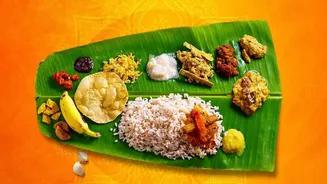
In the southern states, particularly Tamil Nadu, Navratri is celebrated with the display of 'Golu'—a festive arrangement of dolls. Food plays a vital role here as 'prasadam' or offering. A unique tradition is the preparation of a different 'sundal' each of the nine nights. Sundal is a simple and healthy salad-like dish made from legumes like chickpeas, black-eyed peas, or green gram. The cooked legumes are tempered with mustard seeds, curry leaves, and grated coconut. Apart from sundal, the offerings include sweet dishes like sakkarai pongal (sweet rice) and various payasams (kheers). It’s a celebration that highlights simple, nutritious, and flavourful vegetarian cooking as a form of devotion.