







First, What Are We Talking About?
The term 'ultra-processed food,' or UPF, comes from the NOVA classification system, developed by Brazilian researchers. It doesn't just refer to any food that comes in a packet. Instead, it describes industrial formulations made mostly from substances
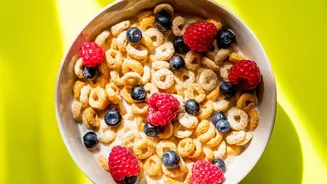
extracted from foods, along with additives. Think instant noodles, packaged soups, many breakfast cereals, sugary drinks, and mass-produced breads. These aren't just modified foods; they are formulations of ingredients designed to be cheap, convenient, and hyper-palatable, often containing colours, emulsifiers, and artificial flavours not used in home cooking.
The Case Against UPFs
For years, a growing body of research has linked high consumption of UPFs to a host of health problems. Large-scale observational studies have consistently found correlations between diets high in UPFs and increased risks of obesity, cardiovascular disease, type 2 diabetes, and even certain cancers. These findings are the primary reason health authorities in several countries have started advising people to limit their intake. The argument is that these foods displace whole, nutritious foods from the diet and their unique combination of salt, sugar, fat, and additives encourages overconsumption.
What the New Evidence Reveals
Recent evidence has added more layers to this complex picture. A major new analysis published in early 2024, which reviewed 14 studies involving nearly 10 million people, provided the strongest overview to date. It found direct associations between high UPF consumption and 32 different negative health outcomes. Specifically, it highlighted a 50% increased risk of dying from cardiovascular disease and a 12% greater risk of developing type 2 diabetes. Furthermore, newer studies are exploring links beyond physical health, with some research suggesting a connection between high UPF intake and an increased risk of anxiety and depression.
So, Is the Debate Over?
Not quite. While the evidence of correlation is strong, critics of the UPF concept raise several important points. A primary argument is that the category itself is too broad and inconsistent. It can group items like a wholemeal packaged bread or a fortified plant-based milk in the same category as a can of fizzy drink. Some experts argue that the real issue isn't the 'processing' itself, but the poor nutritional profile of many of these foods—high in sodium, sugar, and unhealthy fats, and low in fibre and vitamins. They suggest focusing on the nutrients on the label is more practical than trying to avoid an entire, vaguely defined category of food.
The Social and Economic Angle
Another crucial part of the debate often overlooked is the role of affordability and accessibility. For many, UPFs are not a choice but a necessity. They are cheaper, have a longer shelf life, and require less preparation time than whole foods. This makes them an essential source of calories for low-income families and those with limited access to fresh groceries or time to cook. Simply telling people to avoid UPFs without addressing these underlying socioeconomic factors is not a realistic public health strategy. The challenge is to find a way to make healthier options just as affordable and convenient.