





Understanding the New 30-Day Rule
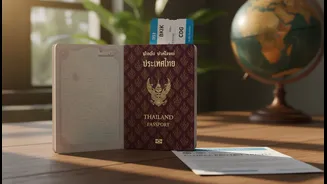
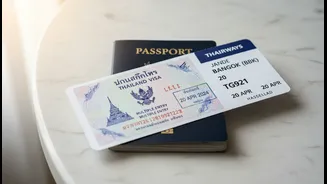
In a recent decision, the Thai government has reinstated its visa-free scheme for Indian passport holders but has adjusted the maximum stay to 30 days. This move replaces the previous 60-day allowance and the brief period of uncertainty that followed.
The change was made after Thai authorities noted that a proposed rollback of the visa-free facility led to a significant decline in tourist arrivals from India, a key market for the nation's tourism sector. For most Indian tourists, who stay for an average of 7-10 days, this 30-day window is more than sufficient and continues to make last-minute travel plans to the 'Land of Smiles' incredibly convenient.
Essential Documents Are Still Key
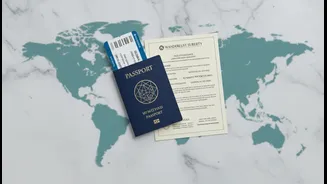
While the visa process is simplified, carrying the correct documents remains crucial for a smooth entry. The Embassy of India in Bangkok has issued advisories reminding travellers to be prepared. Before you fly, ensure you have a passport with at least six months of validity, confirmed return flight tickets, and proof of hotel bookings for your stay. Immigration authorities may also ask for a clear travel itinerary and proof of sufficient funds, which is often cited as THB 20,000 per person. A critical and mandatory step is to complete the Thailand Digital Arrival Card (TDAC) online within 72 hours before you land.
Rethink Your Itinerary: Go Slow
A 30-day trip is a golden opportunity to explore Thailand beyond the crowded hotspots of Bangkok and Pattaya. Instead of rushing from one city to another, consider a slower, more regional approach. You could dedicate your entire month to exploring one or two main areas. For instance, spend two weeks in the mountainous north, exploring Chiang Mai, the laid-back town of Pai, and the artistic hub of Chiang Rai. This allows for deeper cultural immersion, like taking a Thai cooking class, visiting an ethical elephant sanctuary, or trekking through national parks without feeling rushed.
Explore Beyond the Usual Tourist Trail
With more time on your hands, you can discover Thailand's hidden gems. In the south, instead of only visiting Phuket, use it as a gateway to quieter islands in the Andaman Sea like those in the Trang archipelago or the stunning Khao Sok National Park. The Gulf Coast offers the popular trio of Koh Samui, Koh Phangan, and Koh Tao, which is a global hub for scuba diving certifications. For a truly off-the-beaten-path experience, consider the Isan region in the northeast, which offers a glimpse into a more traditional side of Thai life, distinct from the heavily touristed areas.
Budgeting for a Month in Paradise
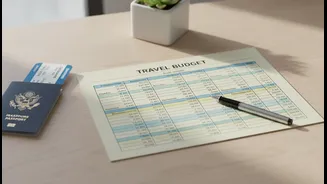
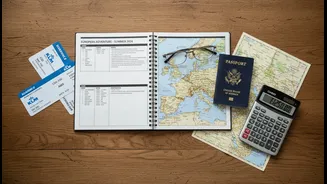
A month-long trip requires smart budgeting. Fortunately, Thailand remains one of the most affordable international destinations for Indians. A budget traveller can comfortably manage on ₹3,000-₹5,000 per day, covering hostel stays, street food, and local transport. A mid-range budget of ₹6,000-₹9,000 per day allows for private rooms in guesthouses, restaurant meals, and occasional internal flights or private taxis. To save money, eat local street food, use ride-hailing apps like Grab for transport within cities, and book long-distance buses or trains via platforms like 12Go Asia for inter-city travel.
Packing and Practical Tips
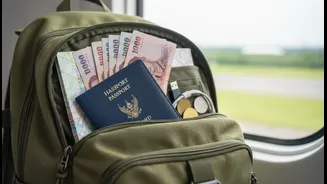
For a month-long trip, pack light, breathable clothing. Remember to include modest attire for temple visits—shoulders and knees should be covered. Upon arrival, purchase a local SIM card at the airport for easy connectivity. For money, a combination of a forex card and some Thai Baht in cash is ideal. While major hotels and restaurants accept cards, cash is essential for street markets, local eateries, and tuk-tuks. Use apps like Google Maps for navigation and Google Translate to communicate basic phrases, which is always appreciated by locals.